


7 Eye Wash Station Tips That Help Support Workplace Safety
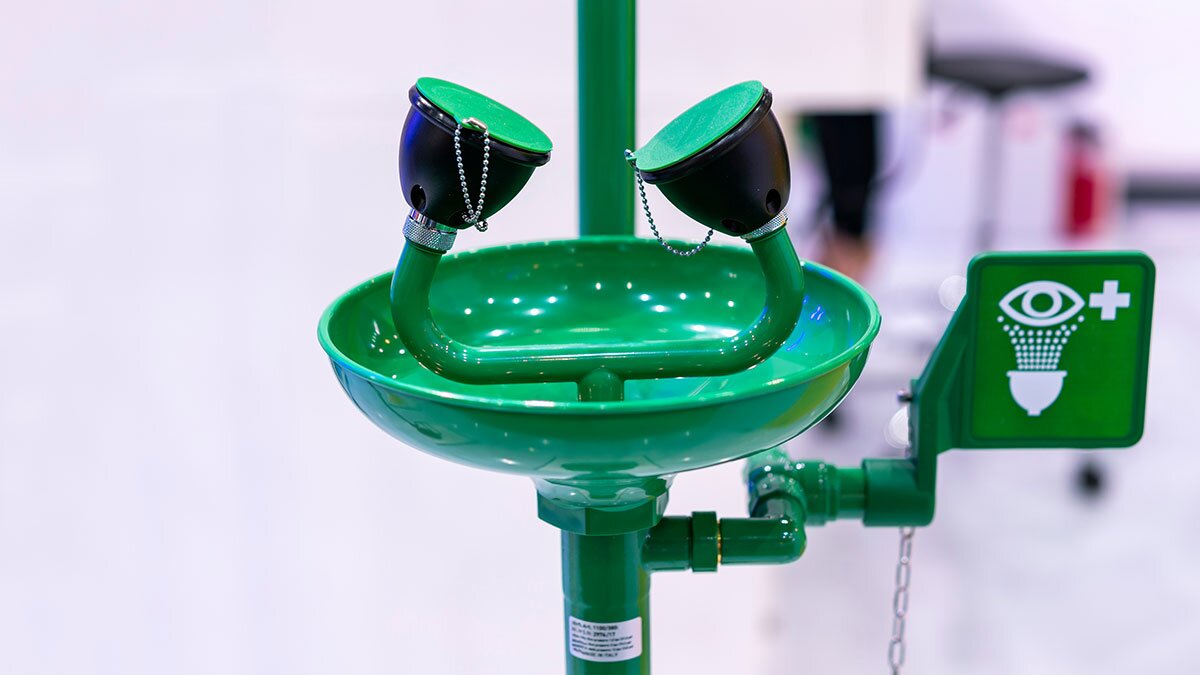
When you’re running a business, staying compliant and promoting workplace safety can feel overwhelming. But maintaining your eye wash station doesn’t have to be complicated. Whether you manage a small shop or a larger facility, these quick tips can help maintain jobsite preparedness without extensive time commitment.
1. Flush Weekly
Running the eye wash station for a few seconds once a week may help remove built-up sediment and confirm that water flows as intended. It’s a good practice to log each test with the date and initials of the person performing the check. This may also help demonstrate a regular maintenance schedule if records are reviewed.
2. Clean Contact Surfaces
Use a soft cloth and a mild, non-abrasive cleaner to wipe down the nozzles, bowls, and surrounding surfaces. Regular cleaning may reduce buildup and help maintain hygiene standards.
3. Conduct Visual Inspections
Check for visible issues like corrosion, cracked components, or blocked access. Ensure the path to the unit is free from obstructions and the eye wash station remains accessible at all times.
4. Verify Water Temperature
According to ANSI/ISEA Z358.1, eye wash stations should deliver tepid water—defined as between 60°F and 100°F. For plumbed systems, stable plumbing is essential. For portable units, ensure storage conditions and expiration dates are regularly reviewed.
5. Maintain Proper Signage
Make sure all eye wash stations are clearly labeled and easy to locate. Signage should be visible and compliant with workplace safety standards to help facilitate quick access in an emergency.
6. Teach Your Team How to Use It
Proper training may help ensure the equipment is used as intended. Add eye wash training to your onboarding checklist and refresh it regularly.
7. Know the Guidelines
Workplaces that use hazardous chemicals or processes generating airborne particles may fall under OSHA 29 CFR 1910.151(c), which requires suitable facilities for quick drenching or flushing of the eyes. In addition, ANSI/ISEA Z358.1 offers widely accepted guidance on eye wash station performance and maintenance, including:
- Eye wash stations should be located within 10 seconds of a potential hazard
- Flushing duration should be at least 15 minutes
- Stations should deliver tepid water
- Units should be tested weekly and inspected annually
These benchmarks can help support a safe and compliant workplace.
Eye wash station maintenance doesn’t require complicated procedures or extensive time. By implementing a few simple checks—flushing weekly, keeping surfaces clean, and ensuring accessibility—you’re helping support readiness and compliance. Keeping maintenance consistent and training up to date contributes to a safer environment and helps your team stay prepared if an incident occurs.
Sources: https://blog.ansi.org/2018/07/emergency-eyewash-station-shower-ansi-z358-1/
Product Compliance and Suitability
The statements contained in this guide are intended for general informational purposes only. Such statements do not constitute a product recommendation or representation as to the appropriateness, accuracy, completeness, correctness, or currentness of the information provided. Information provided in this guide does not replace the use by you of any manufacturer instructions, technical product manual, or other professional resource or adviser available to you. Always read, understand, and follow all manufacturer instructions. Portions of this article were generated in part by ChatGPT, and edited by a member of the Zoro team.
