


7 Things Small Business Owners Should Know About Disposable vs. Reusable Gloves

Table of Contents
- 1. Understand What Single-Use Gloves Are For
- 2. Reusable Gloves Are Built for Demanding Tasks
- 3. Not All Disposable Gloves Are the Same
- 4. Can You Reuse Disposable Gloves? It's Not Recommended
- 5. Reusable Gloves Require Proper Maintenance
- 6. Consider the Long-Term Cost Picture
- 7. Choose Gloves That Match the Job
When you’re running a business in construction, maintenance, or manufacturing, protecting your team starts with the basics, like choosing the right gloves. Whether your crew is handling materials, working with chemicals, or doing detail work, deciding between disposable and reusable gloves can make a big difference in safety, comfort, and overall cost.
Here are seven things every small business owner should know when building their glove strategy.
1. Understand What Single-Use Gloves Are For
Single-use gloves (also known as disposable gloves) are made for tasks where quick changes and cleanliness matter. Think food prep, cleaning, or light surface work where workers may need to swap gloves often.
If your team has latex sensitivities, consider non-latex disposable options such as nitrile or vinyl gloves. These materials help reduce exposure to allergens while offering flexibility for short-term use.
2. Reusable Gloves Are Built for Demanding Tasks
Reusable gloves are designed for extended use and are often made from thicker, more durable materials. Reusable nitrile or plastic gloves can help provide a stronger barrier in rugged environments. They’re commonly used for tasks like rigging, mixing concrete, or handling abrasive tools—jobs where lightweight gloves may not hold up as well.
3. Not All Disposable Gloves Are the Same
Material matters, especially if you're concerned about allergens, durability, or flexibility. Nitrile, latex, and vinyl each offer different benefits depending on the task. Match the glove to the job, whether it’s applying adhesives, doing quick inspections, or handling delicate parts. For teams that need flexibility without latex, synthetic rubber or vinyl gloves may be a practical choice.
4. Can You Reuse Disposable Gloves? It's Not Recommended
Technically, disposable gloves can be reused in some cases, but it's not recommended. They're intended for one-time use and may degrade after being exposed to chemicals, oils, or moisture. Using them more than once could increase the risk of contamination or reduce their effectiveness. For tasks that require a fresh glove each time, stick with single-use styles.
5. Reusable Gloves Require Proper Maintenance
Reusable gloves can support long-term use, but only if they’re properly cared for. That includes cleaning, drying, and storing them correctly. Make sure your team knows how to check for signs of wear and damage. Regular inspection and maintenance can help extend glove life and support safety on the job.
6. Consider the Long-Term Cost Picture
When evaluating PPE, cost isn't just about the sticker price. While disposable gloves often have a lower upfront cost, they may require frequent replacement. Reusable gloves tend to cost more initially but are designed to hold up over time. For tasks that require durability and repeated wear, reusable gloves may offer more value across multiple uses.
7. Choose Gloves That Match the Job
Use this quick reference guide to help match glove types to common jobsite needs.
| Cut-Resistant | Chemical- or Liquid-Resistant | Leather | Disposable | Mechanics | |
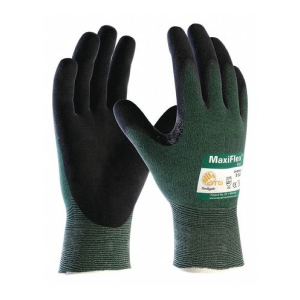 |  | 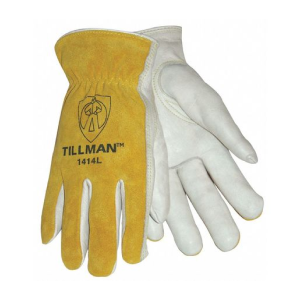 |  |  | |
| Made of: | Polyester, Natural Rubber, Nitrile Rubber, Polyurethane | Neoprene, Nitrile, PVC, Rubber Latex | Cowhide, Goatskin, Pigskin; with various stitching materials | Latex, Nitrile, Polyethylene; with powdered and powder-free options | Leather, Neoprene, Spandex, Synthetic Leather |
| Protection: | Abrasions, Cuts, Scrapes | Resists Acids, Alcohols, Acetates, Animal Fats, Aromatic Solvents, Bases, Cleaners, Degreasers, Hydrocarbons, Petroleum-Based Solvents, Oils | Abrasions, Cuts, Sparks, Wet Conditions | Resists certain Chemicals, Greases, Oils, and Hydrocarbons encountered during light-duty maintenance and cleanup | Abrasions, Cold Weather, Heat, High Visibility, Impact |
| Industry: | Automotive, Drilling, Electrical, Extrication, Food Service, Glass Handling, HVAC, Impact, Machine Repair, Mining, Plumbing, Rigging | Agriculture, Casting, Chemical Processing, Construction, Food Processing, Hazardous Liquids, Landscaping, Janitorial and Maintenance, Pharmaceutical, Oil Refining, Petrochemicals | Carpentry, Construction, Electrical, HVAC, Landscaping, Farming, Ranching, Rope Handling, Utility | Foodservice, Healthcare, Laboratories, Janitorial, Maintenance | Construction, Equipment Operation, Forestry, Maintenance, Mechanical Work, Metal Working, Ranching, Repairs, Towing, Transportation |
Your glove selection can influence more than just PPE spend. It can also affect team safety and job performance. Consider the tasks at hand and build your glove strategy around what your team needs to get the job done safely and efficiently.
Looking for gloves that match your team’s tasks?
Explore Zoro’s full selection of disposable and reusable gloves to help you build a cost-effective and task-specific PPE plan.
Product Compliance and Suitability
The statements contained in this guide are intended for general informational purposes only. Such statements do not constitute a product recommendation or representation as to the appropriateness, accuracy, completeness, correctness, or currentness of the information provided. Information provided in this guide does not replace the use by you of any manufacturer instructions, technical product manual, or other professional resource or adviser available to you. Always read, understand, and follow all manufacturer instructions. Portions of this article were generated in part by ChatGPT, and edited by a member of the Zoro team.
