


8 Slip, Trip, and Fall Hazards You Might Be Overlooking in Your Facility
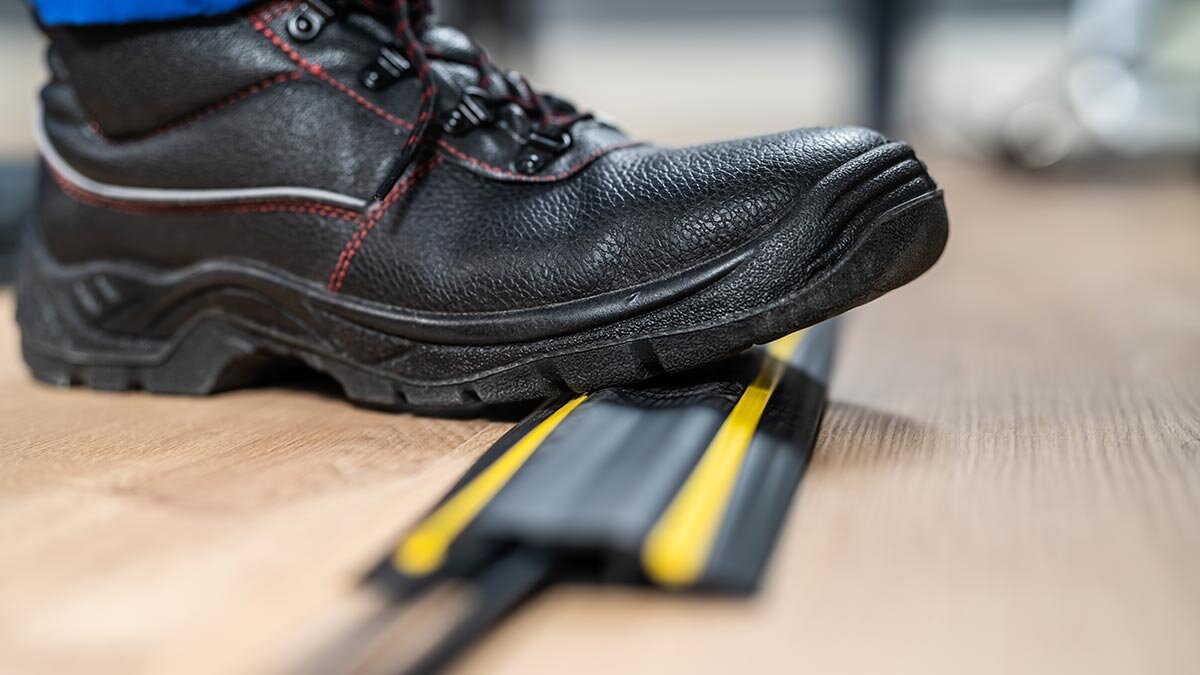
If you’re running a manufacturing business, you’re already juggling a lot: equipment maintenance, supply chain logistics, staffing, and productivity goals. One area that often gets pushed to the side is floor safety. Slip, trip, and fall hazards may not seem like a top priority until they lead to an injury, lost time, or costly disruptions. Let’s dive into some of the slip, trip, and fall hazards you might be missing and discuss how to prevent slips and falls before they impact your operations.
1. Clutter and Poor Housekeeping
Boxes near walkways, tools on the ground, leftover packaging—these small things can add up quickly. In a smaller facility, where every square foot counts, poor housekeeping can quietly become one of your biggest common tripping hazards. Setting aside time each day to keep walkways clear and storage areas organized can make a real difference, not only in reducing risks but also in keeping operations running smoothly.
2. Floor Contaminants
Whether it’s oil, water, or powder, anything that ends up on the floor can turn into a slip risk fast. This is especially true in areas near machines, wash stations, or breakrooms. Having a plan to clean up spills promptly and making sure your team knows how to spot and report them can assist in reducing the likelihood of potential incidents. Floor mats, caution signs, and basic training can go a long way here.
3. Uneven or Damaged Walking Surfaces
A crack in the concrete, a gap between floor tiles, or even a change in floor height can cause someone to trip, especially if they’re carrying tools or moving quickly. Taking a quick walk-through of your facility and noting areas that might need repair helps keep everyone on stable footing.
4. Loose or Damaged Floor Coverings
If a mat is curling at the edges or a floor tile is starting to lift, that means the materials are wearing out over time, and in a busy shop, that wear can happen faster than you’d expect. Swapping out old mats and making sure everything stays securely in place is a simple but effective step toward slip, trip, and fall prevention.
5. Inadequate Lighting
Lighting might not be top of mind when you think about safety, but poor lighting is one of the most common reasons hazards go unnoticed. If a stairwell or corner is dimly lit, it’s harder for your team to spot spills or obstacles in time.
6. Seasonal Changes
Rain, snow, or humidity can lead to wet floors, especially at entry points or near loading docks. Even condensation from equipment can create slick surfaces. Keeping mats at entrances, using fans or floor dryers, and staying ahead of weather-related maintenance may assist in mitigating slip risks during colder or wetter months.
7. Overlooked Hazards
Some hazards are even easier to overlook, like cords stretched across walkways, open drawers, or scraps of shrink wrap left on the floor. These kinds of things often go unnoticed until someone trips over them. Walking through your space with fresh eyes, or asking your team to point out risks they’ve seen, can uncover hazards that might otherwise stay hidden.
8. Temporary Walkways and Ramps
If you’ve ever brought in a portable ramp for equipment delivery or created a temporary path during repairs, you know these setups aren’t always as stable or slip-resistant as your permanent flooring. Make sure these surfaces are secure, clearly marked, and dry.
Keeping your workplace safe from slip, trip, and fall hazards doesn’t have to mean a total overhaul. In many cases, it’s about keeping ahead of clutter and paying attention to walkways, lighting, flooring, and basic daily habits. Need floor safety solutions? Zoro offers a wide selection of products such as floor mats, caution signs, spill kits, and lighting to assist in workplace safety planning.
Product Compliance and Suitability
The statements contained in this guide are intended for general informational purposes only. Such statements do not constitute a product recommendation or representation as to the appropriateness, accuracy, completeness, correctness, or currentness of the information provided. Information provided in this guide does not replace the use by you of any manufacturer instructions, technical product manual, or other professional resource or adviser available to you. Always read, understand, and follow all manufacturer instructions. Portions of this article were generated in part by ChatGPT, and edited by a member of the Zoro team.
