


8 Tips on How to Pack Fragile Items for Shipping
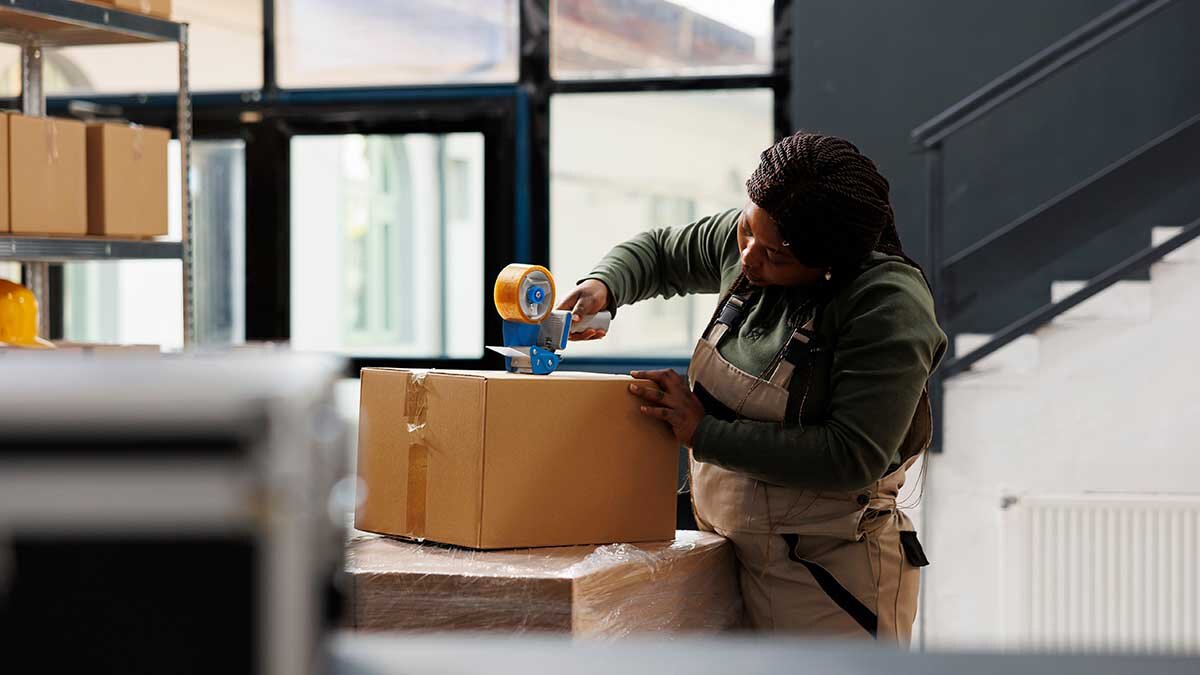
Does your business sell fragile items? Packaging the most fragile items for shipping (such as ceramics, electronics, glassware, and mirrors) can be especially tricky. As a business owner, it’s paramount to your reputation (and your bottom line) that the items your customers order from you arrive in one piece. Therefore, learning the right way to package these fragile items is critical. In this article, we’ll teach you everything you need to know to ensure your breakables don’t break en route to your customers.
1. Select the Right Box
Choosing the right package for the item you’re shipping will set you up for success. While you may be tempted to choose a big box and stuff it with dunnage (a fancy word for tissue, styrofoam peanuts, bubble wrap, and other packaging fluff), that’s not the way to go. First, it’s a waste of packaging supplies, and second, your item will fare better in the wild if it fits securely in the box. Items should have two inches of space in every direction for the perfect fit inside of the box.

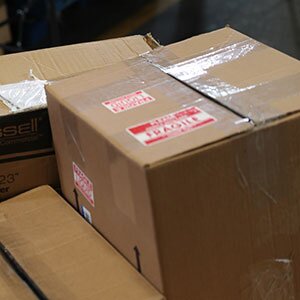
2. Label the Box as “Fragile”
Can’t hurt, right? While some carriers may disregard your box’s “Fragile” label, others may respect it—especially if you’ve insured your package (more on that later). A “Fragile” label also shows your recipient that you cared enough to label it as such before it left your facility.
3. Use Quality Packing Materials
Quality packing materials help ensure a quality experience for your customers. Using premium packaging materials to thoughtfully package an item helps ensure the product arrives in one piece and provides a pleasant unboxing experience for your customers. Receiving a dented or partially opened box or a product that has broken while en route may result in a merchandise return, loss of business, and distrust in your operation. Protect your inventory and reputation by stocking up on quality packing supplies.
4. Cushion the Interior on All Sides
Remember that two-inch perimeter that should be around your item when placed in the shipping box? Now it’s time to stuff it. On every side. There are so many materials available to provide the cushioning your item needs, including packaging peanuts, air cushions, bubble wrap, crumpled kraft paper, tissue paper, cotton inserts, and crinkle paper.
5. Properly Seal the Box
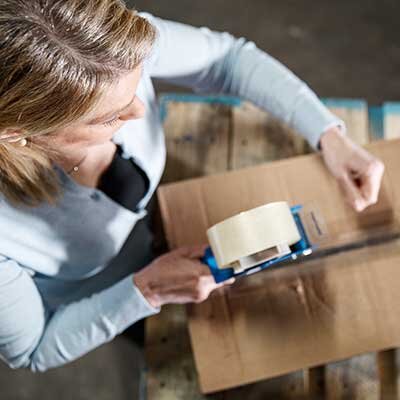
After all that stuffing, is your box bulging? If so, remove some of the packing materials. Too much fluff can stress your package’s seams and cause it to rupture. Avoid that. Make sure to use high-quality packing tape and reinforce your package’s seams with extra tape—especially at the bottom.
6. Purchase Insurance When It Makes Sense
Whether you purchase insurance through a third party or with your carrier of choice, shipping insurance can provide a little peace of mind when you send your package on its way. Shipping insurance can cover unforeseen mishaps including loss, damage, and theft. Shipping insurance will often cover the cost of shipping and the value of the item. Make sure you know what the shipping insurance covers before you purchase it.
7. Take Inventory
Did your customer order multiple items? If so, package them in the most efficient way to reduce the need for multiple boxes and an excess of packing supplies.

8. Use a Trusted Carrier
When it comes to carriers, you have many to choose from. Whether it’s UPS, USPS, FedEx, or DHL, choose the one that best suits your needs, budget, and delivery area of your customers.
Shop at Zoro for All of Your Shipping Needs
Now that you know the best way to package your fragile items, it’s time to stock up on shipping and packing supplies. From boxes, tape, and packing peanuts to labels, scales, and envelopes, Zoro has everything you need to ship your business’s products.
Product Compliance and Suitability
The statements contained in this guide are intended for general informational purposes only. Such statements do not constitute a product recommendation or representation as to the appropriateness, accuracy, completeness, correctness, or currentness of the information provided. Information provided in this guide does not replace the use by you of any manufacturer instructions, technical product manual, or other professional resource or adviser available to you. Always read, understand, and follow all manufacturer instructions.
