


A Fleet Owner’s Guide to Spark Plug Types and Maintenance
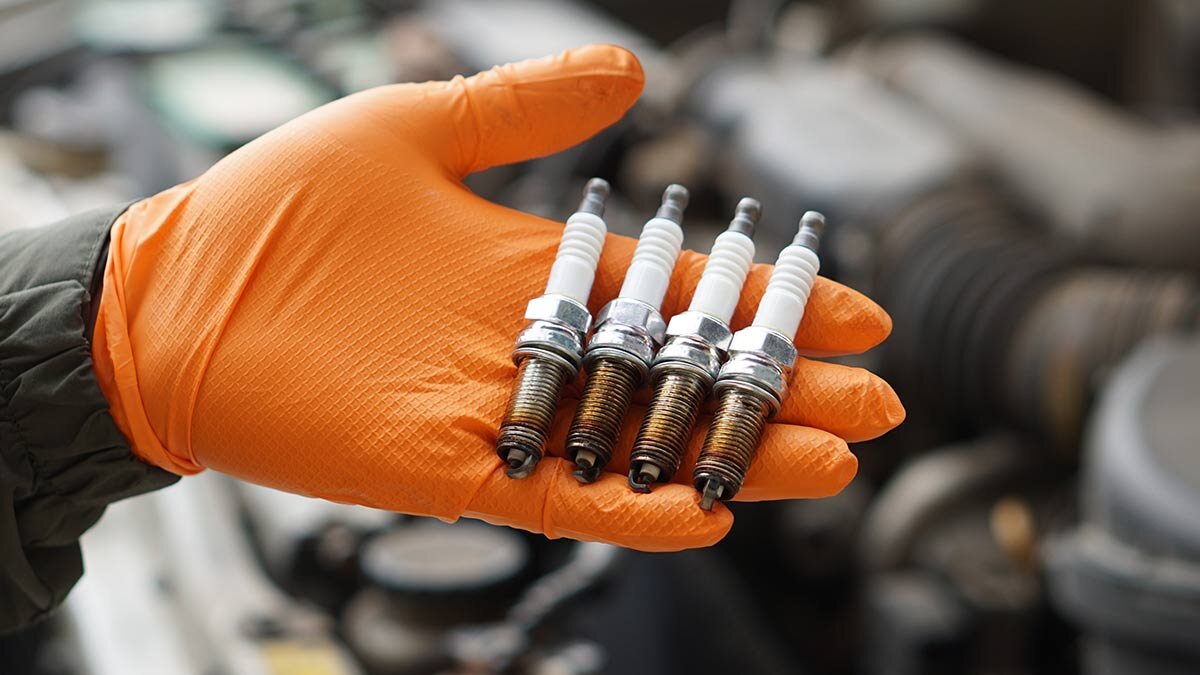
Running a small business fleet—whether delivery vans, service trucks, or company cars—means keeping vehicles on the road and downtime to a minimum. One often overlooked but essential component is the spark plug. A worn or mismatched plug across your fleet can hurt fuel efficiency, increase service calls, and disrupt scheduling. Stay ahead of maintenance and protect your bottom line. In this guide, we will cover:
What spark plugs you need for your cars and trucks
The types of spark plugs and how they differ (with verified info)
How to check, clean, and replace them
How long it takes to replace spark plugs, and how to factor it into your service schedule
What Spark Plugs Do I Need for My Car (or Fleet Vehicle)?
When you’re managing a fleet, standardizing parts where possible saves time, reduces ordering errors, and makes maintenance predictable. But first things first: always check the manufacturer’s recommendations in each vehicle’s owner manual or maintenance guide.
Here’s what to ask:
Thread size and reach—The plug must physically match the engine. Using the wrong size can lead to poor combustion or even damage.
Material type (copper, platinum, iridium)—Each handles heat, wear, and ignition differently. For example, copper plugs have high conductivity and a low price but a shorter lifespan; harder materials like platinum and iridium cost more but last longer.
Heat range—This determines how fast the tip dissipates heat. Too “hot” or too “cold” can cause fouling or pre-ignition.
Compatibility with ignition system—Some modern vehicles (coil-on-plug, wasted spark systems) require specific plug types.
For a business fleet:
Keep a cross-reference chart of plug sizes/types for your models.
Where possible, standardize on a plug type that fits many vehicles (reduces stock complexity).
Educate your service team on correct gap, torque, and thread specs.
Types of Spark Plugs
Understanding the types of spark plugs helps you make informed, consistent choices across your fleet. It’s not about finding the cheapest option. It’s about selecting the plug that matches your vehicle’s needs, extends service life, and helps you avoid unnecessary downtime.
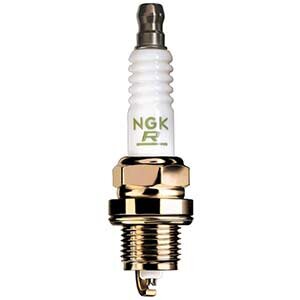
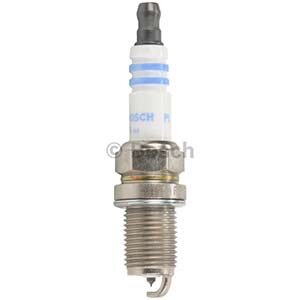
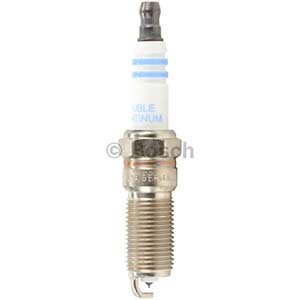
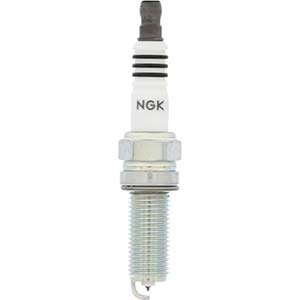
* Actual lifespan may vary by engine design, driving conditions, and maintenance schedule.
How to Check if Spark Plugs Are Good
Before buying replacements, you’ll want to train your staff (or yourself) to check if spark plugs are good so you catch maintenance opportunities early and prevent downtime.
Remove the plug (engine should be cool; use correct tools).
Inspect the insulator tip: A light tan or gray-brown color is normal for gasoline engines. Heavy black carbon, oil deposits, cracked insulators, or worn electrodes mean the plug is compromised.
Check the gap: Over time the gap widens due to erosion, which can lead to misfires or inefficient combustion.
Assess performance indicators: If a vehicle in your fleet shows rough idle, reduced acceleration, increased fuel consumption, or misfire codes, a plug might be at fault.
How to Clean Spark Plugs
For fleet vehicles with large volumes and tight service windows, sometimes cleaning rather than replacing can buy you time, but only if done properly. Here’s the responsible way to do it.
Remove the plug and use compressed air to blow out around the plug hole so no debris falls into the cylinder.
Use a wire brush or a dedicated plug-cleaning tool (avoid abrasive blasting unless approved by the manufacturer).
After cleaning, check the gap again, since deposits may have altered it.
Only reinstall plugs that are in good structural condition (no cracked ceramic, melted tip, or side electrode severely eroded).
How to Replace Spark Plugs
When it’s time to replace spark plugs across your fleet, the process doesn’t have to slow you down.
Start with a cool engine and disconnect the battery or ignition if required for safety. Remove any covers or air intake components that block access.
Next, carefully disconnect the plug wires or ignition coils—labeling them helps avoid mix-ups—and clean around each plug well to prevent debris from entering the cylinder. Use a spark plug socket and extension to remove the old plug.
Before installing the new one, check that the gap, thread size, and reach match the manufacturer’s specs. Hand-thread the plug first, then torque it to spec using a torque wrench to avoid cross-threading or overtightening.
Once that’s done, reconnect the wires or coils, reinstall any covers, and start the engine to ensure a smooth idle.
On a typical 4-cylinder engine, this process usually takes about 30 to 60 minutes when plugs are easy to reach. For vehicles with more complex layouts (like V6, V8, or turbocharged engines), expect the job to take 1 to 2 hours or more, depending on accessibility. For fleet maintenance scheduling, plan spark plug replacement alongside other routine services, like oil changes or filter replacements.
Keep Your Fleet Running Strong
Stock up on spark plugs, replacement tools, and maintenance kits from Zoro.com so your team always has what they need, when and where they need it. Reliable parts mean less downtime, smoother service, and more miles of productivity for your business.
Product Compliance and Suitability
The statements contained in this guide are intended for general informational purposes only. Such statements do not constitute a product recommendation or representation as to the appropriateness, accuracy, completeness, correctness, or currentness of the information provided. Information provided in this guide does not replace the use by you of any manufacturer instructions, technical product manual, or other professional resource or adviser available to you. Always read, understand, and follow all manufacturer instructions. Portions of this article were generated in part by ChatGPT, and edited by a member of the Zoro team.
