


A Guide to Evaporative Coolers
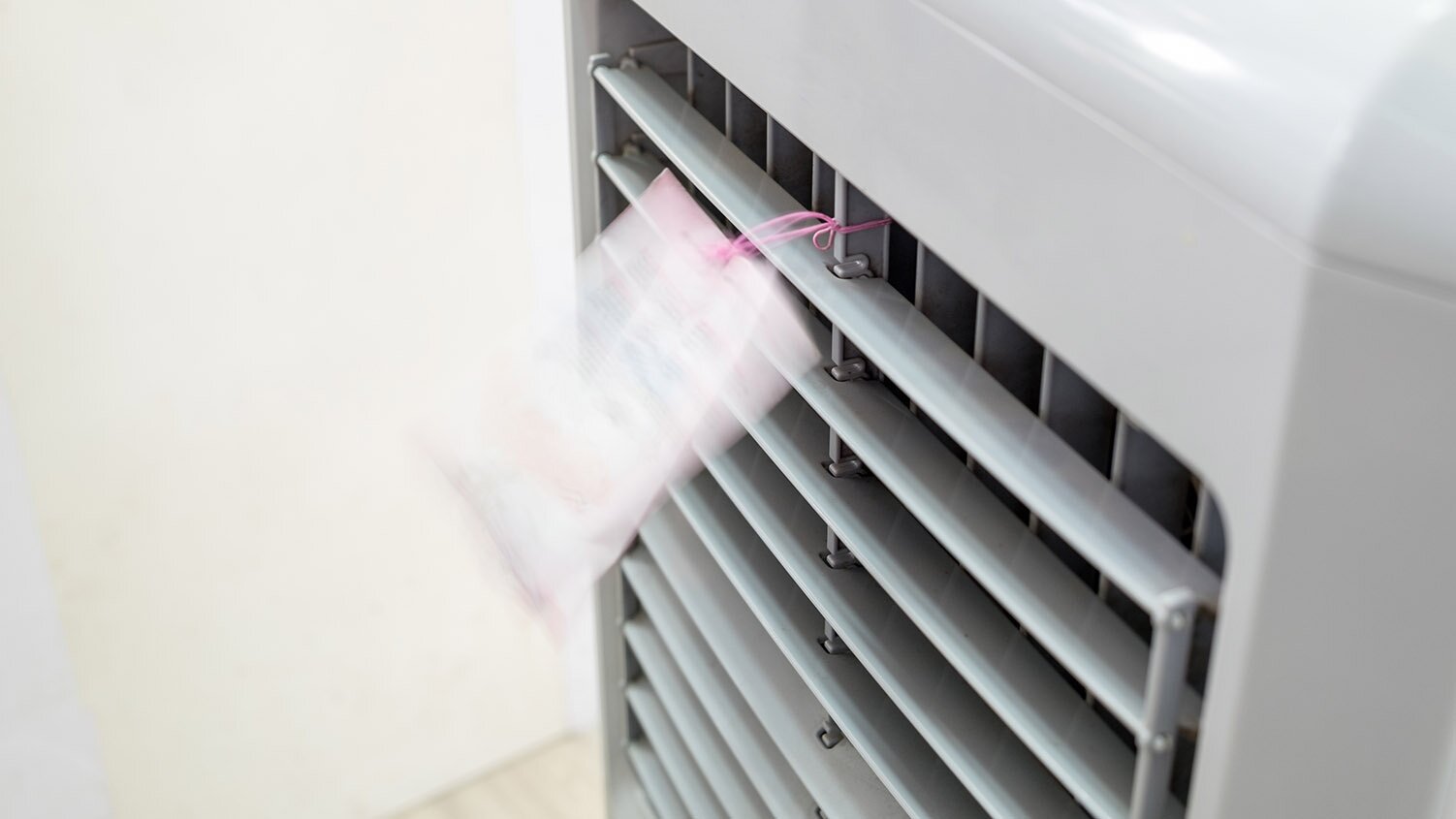
What are evaporative air coolers, how do they work, and in what climate do they work best? Also, what is the difference between evaporative coolers and air conditioners? This article is your complete guide to deciding whether or not an evaporative cooler is right for you.
What are evaporative coolers?
Evaporative air coolers, also sometimes called swamp coolers or wet air coolers, are one of the first cooling systems to ever be invented. They rely on a few basic principles that date as far back as Egyptian times, when people would sometimes hang damp mats in open windows to cool off hot air that blew in. In evaporative coolers, a fan works to collect the hot air from outside. The air is then forced through a set of damp pads, causing some of the heat to evaporate, before the air continues to pass through to the house.
What is the difference between an evaporative cooler and an air conditioner?
The easiest way to understand the difference between evaporative coolers and air conditioners is through their mechanics. Home air conditioners—and even window air conditioners—use a coolant to take hot air out and blow chilled air back in. This means that they remove the hot air from the room. Evaporative coolers don’t. Instead, they affect the temperature by blowing slightly cooler air into the room. The benefits of evaporative coolers are that they are lower maintenance and use no chemicals; however, they never completely remove the heat from a space.
In what climates do evaporative coolers work best?
This type of cooling system tends to work best in dryer climates. That’s because they work well when humidity is low. They also add moisture into a space, which can be helpful to people in areas where dry air causes sinus issues and other ailments.
How well do evaporative coolers work?
How effective evaporative coolers are depends on your situation. Since they use no chemicals and require less electricity to run, they are more energy efficient. While they work best in climates with little to no humidity, dryer areas may suffer drought, prompting water usage concerns.
Evaporative air coolers are ideal for cooling outdoor spaces in any climate and are often used on decks, patios, or open garages. But they don’t completely remove heat from a room the way air conditioning systems do. For this reason, especially on extremely hot days, they never achieve the same low temperatures that air conditioners do.
If you live in a dry area and learning how to install a window air conditioner seems too complicated, or you’re trying to figure out how to use a portable air conditioner without a window, you might have better luck with an evaporative cooler. They can also be used as a heavy-duty fan, which is an added convenience.
Optional Read Next
Product Compliance and Suitability
The product statements contained in this guide are intended for general informational purposes only. Such product statements do not constitute a product recommendation or representation as to the appropriateness, accuracy, completeness, correctness or currentness of the information provided. Information provided in this guide does not replace the use by you of any manufacturer instructions, technical product manual, or other professional resource or adviser available to you. Always read, understand and follow all manufacturer instructions.
