


AED Maintenance Requirements for Businesses
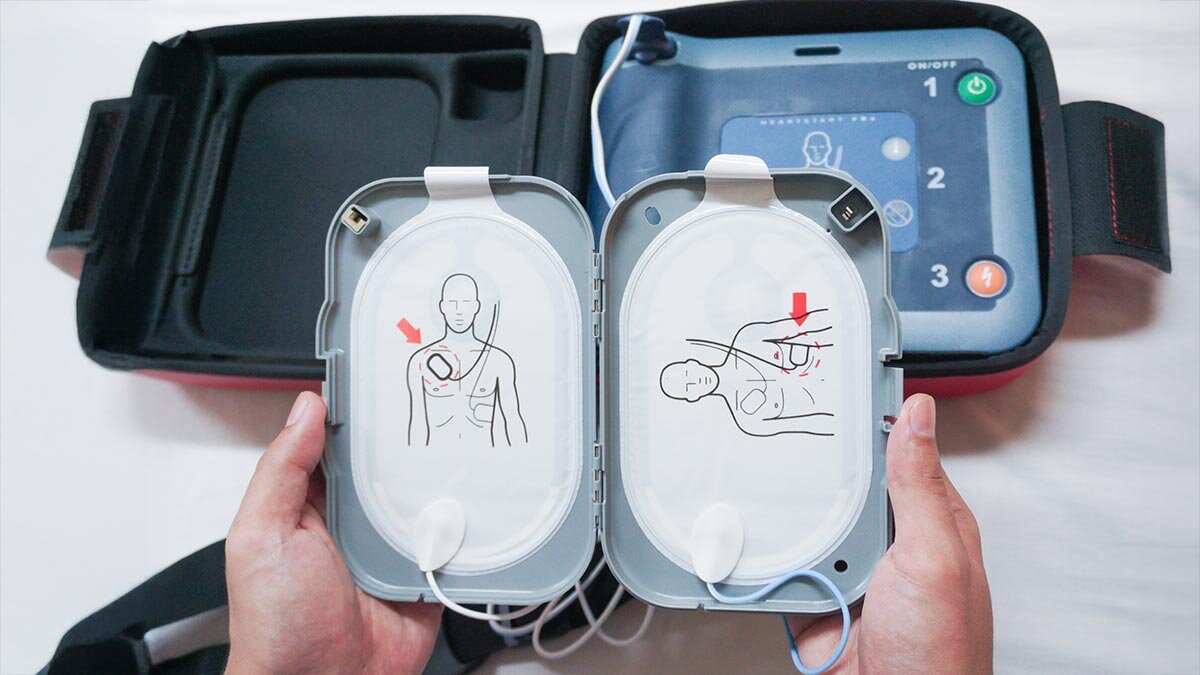
As a small business owner, you’ve got a lot on your plate: people to look after, equipment to maintain, and a jobsite to keep running safely. If you’ve added an AED (automated external defibrillator) to your workplace, you’ve already taken a big step toward protecting your team. But installing an AED isn’t a one-and-done solution. It comes with real responsibilities, especially when it comes to AED maintenance requirements, signage, and training.
This guide breaks down what you need to know to stay prepared and help ensure your AED is ready when it matters most. Because keeping your crew safe means more than having the right tools; it means keeping those tools in working order, too.
AED Maintenance Requirements: What to Know and Do
Once installed, an AED needs to be maintained regularly to ensure it's ready to use. Here's what that looks like for small business owners.
1. Perform Monthly Visual Inspections
Check that the AED's readiness indicator is green or showing "OK" (depending on the model). Look for signs of damage, missing parts, or anything obstructing access.
2. Monitor Expiration Dates
Pads and batteries have shelf lives. Expired components can prevent the AED from functioning properly. Be proactive. Mark expiration dates on your calendar and order replacements before they’re needed.
3. Keep Maintenance Logs
Document each inspection, battery change, and any issues found. Some states require written records to prove compliance. Even if your state doesn't, it's a smart, low-effort way to protect your investment and your team.
4. Follow the Manufacturer’s Instructions
Different models have different care requirements. Some perform automatic self-checks, while others need manual testing. Read the manufacturer's guide, and stick to the manufacturer’s maintenance schedule.
5. Assign Responsibility
Designate someone to oversee AED maintenance, whether it's your office manager, safety lead, or another trusted team member. Make it part of their regular duties.
Investing in an AED shows your team that their health and safety matter. But it’s not a one-and-done deal. Staying on top of AED maintenance requirements, signage visibility, and staff training is how small businesses build a culture of preparedness. Whether you're running a machine shop, managing jobsite crews, or operating a manufacturing floor, keeping your AED in working order could one day save a life. And that’s worth every inspection, checklist, and battery replacement.
Product Compliance and Suitability
The statements contained in this guide are intended for general informational purposes only. Such statements do not constitute a product recommendation or representation as to the appropriateness, accuracy, completeness, correctness, or currentness of the information provided. Information provided in this guide does not replace the use by you of any manufacturer instructions, technical product manual, or other professional resource or adviser available to you. Always read, understand, and follow all manufacturer instructions. Portions of this article were generated in part by ChatGPT, and edited by a member of the Zoro team.
