
Angle Grinder vs Cut-Off Tool (Plus 5 Bonus Comparisons)
Angle grinder vs cut-off tool: differences, best uses, and picks.
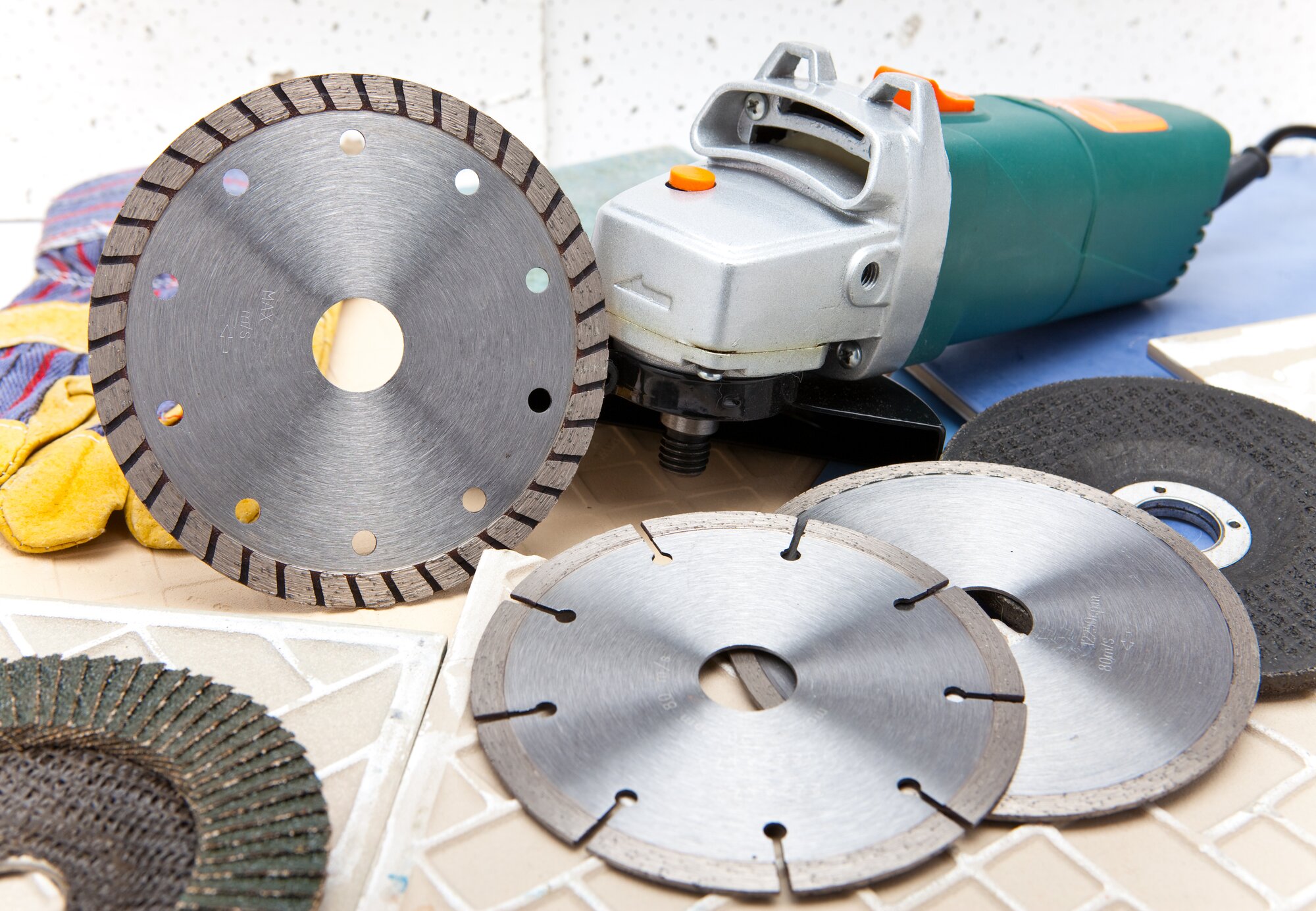
If you need a do-everything handheld tool for cutting, grinding, deburring, and surface prep, choose an angle grinder. If your work is primarily straight, controlled cuts in tight areas (common in auto/repair and light fabrication), a cut-off tool is often the better fit.
What is an angle grinder?
An angle grinder is a handheld power tool that spins a disc at high speed and can take many attachments like cut-off wheels, grinding wheels, flap discs, wire wheels, and sanding backing pads. It is one of the most versatile tools in metalworking and fabrication. Zoro’s angle grinder buying guide highlights that disc size selection and safety guards are key considerations.
Common jobs for an angle grinder
- Cutting metal (rebar, angle iron, sheet, bolts) with a cut-off wheel
- Grinding welds, removing mill scale and rust with grinding wheels/flap discs
- Deburring edges, beveling, shaping metal
- Surface prep and cleaning (wire wheel/cup brush)
- Masonry/stone cuts (with the correct rated wheel and dust controls)
What is a cut-off tool?
A cut-off tool (often pneumatic, sometimes electric/cordless) is designed primarily for cutting using a smaller cut-off wheel. It’s commonly used in automotive repair, construction, manufacturing, and metalworking for quick, controlled cuts.
Common Applications for a cut-off tool
- Trimming exhaust, brackets, sheet metal, clamps, fasteners
- Cutting bolts, seized hardware, thin-wall tubing
- Quick “access cuts” in tight bays/compartments
- Light fabrication where you want a compact cutting-first tool
Angle grinder vs cut-off tool: key differences
Primary purpose
- Angle grinder: Multi-purpose, cutting and grinding/finishing.
- Cut-off tool: Cutting-focused, especially straight cuts and tight access.
Control & access
- Cut-off tools tend to feel more precise for thin material cuts and are often easier in tight spaces.
- Angle grinders provide more power/versatility, but can be bulkier depending on disc size and guard setup.
Accessory range
Angle grinders accept far more accessory types (cut-off, grinding, flap, wire, sanding).
Cut-off tools generally prioritize cut-off wheels (and in some cases small grinding/sanding accessories depending on model).
Choose an angle grinder when you:
- Need one tool that can cut + grind + finish
- Frequently remove welds, prep surfaces, or deburr edges
- Want flexibility across multiple materials/tasks
Choose a cut-off tool when you:
- Mostly need clean, controlled cuts
- Work in auto bays or confined spaces
- Want a cutting-first tool (often pneumatic) that’s compact
Typical use cases by material
Metal
- Angle grinder: Great for cutting and then immediately grinding/cleaning edges.
- Cut-off tool: Excellent for quick cuts in thinner stock, brackets, and fasteners.
Masonry/stone
- Angle grinder is generally the more common choice due to available wheel types and sizes (with proper dust control and PPE).
Wood
- Neither is a default “wood tool” compared to saws. If you do cut wood, ensure you’re using manufacturer-approved accessories and guarding—otherwise choose a saw that’s designed for wood cutting.
Accessories that matter most (and why)
Cut-off wheels and grinding wheels are frequently used with angle grinders, and selection depends on application and wheel type (e.g., Type 1 vs Type 27).
Use this internal guide to help users pick the right wheel:
Angle Grinder vs Series
Angle grinder vs oscillating tool
An oscillating multi-tool uses a small accessory that oscillates side-to-side, making it excellent for flush cuts, plunge cuts, and precision trimming in tight corners—especially in remodeling and finish work. An angle grinder is better for aggressive material removal and faster cutting/grinding on metal and masonry.
Choose an angle grinder when: you need speed on metal, deburring, weld grinding, rust removal.
Choose an oscillating tool when: you need control for plunge/flush cuts, trim work, and confined interior corners.
Angle grinder vs reciprocating saw
A reciprocating saw (“Sawzall”-style) is designed for demolition and rough cutting with a back-and-forth blade motion. It is great for cutting wood, metal, and PVC when precision finish isn’t the goal. An angle grinder is often better for metal fabrication tasks where you’ll also grind/clean edges afterward.
Choose an angle grinder when: you’re cutting metal and need to grind/finish immediately after.
Choose a reciprocating saw when: you’re demo-cutting mixed materials or need reach into awkward areas with the right blade.
Angle grinder vs circular saw
A circular saw is purpose-built for straight, repeatable cuts, most commonly in wood (and also metal with the correct blade and saw type). An angle grinder is more flexible for metalworking tasks but is not the go-to for long, straight production cuts.
Choose an angle grinder when: you need multi-purpose cutting/grinding on metal or masonry.
Choose a circular saw when: you need cleaner straight cuts, better depth control, and repeatability.
Angle grinder vs sander
A sander is designed for surface finishing—controlled material removal, smoother results, and less risk of gouging on many surfaces. An angle grinder can sand with the right backing pad/flap disc, but it’s generally more aggressive and better suited to heavy prep (rust/scale removal) than fine finishing.
Choose an angle grinder when: you need heavy surface prep on metal (rust, weld blending).
Choose a sander when: you need a more consistent finish on wood or paint prep, or refined polishing steps.
Air angle grinder vs electric angle grinder
An air (pneumatic) angle grinder is powered by compressed air and can be a strong fit in shops that already have air infrastructure and want a tool that’s often lighter at the hand. An electric angle grinder (corded or cordless) is generally the easiest to deploy anywhere and modern electric options continue to expand in capability.
Choose air when: you have reliable shop air, want a pneumatic workflow, and expect long run time without battery swaps.
Choose electric when: you need portability, jobsite convenience, or you don’t want compressor dependency.
FAQs
Can an angle grinder do everything a cut-off tool does?
For many cutting tasks, yes. Especially with the right cut-off wheel. But a cut-off tool may still win on access and control for tight, cut-heavy jobs.
What’s the simplest way to choose?
If you expect to cut and then grind/finish, start with an angle grinder. If you mostly need quick cuts in tight places, start with a cut-off tool.
Product Compliance and Suitability
The statements contained in this guide are intended for general informational purposes only. Such statements do not constitute a product recommendation or representation as to the appropriateness, accuracy, completeness, correctness, or currentness of the information provided. Information provided in this guide does not replace the use by you of any manufacturer instructions, technical product manual, or other professional resource or adviser available to you. Always read, understand, and follow all manufacturer instructions. Portions of this article were generated in part by ChatGPT.
