


Anti-Fatigue Mats vs. Anti-Slip Mats: What’s the Difference?
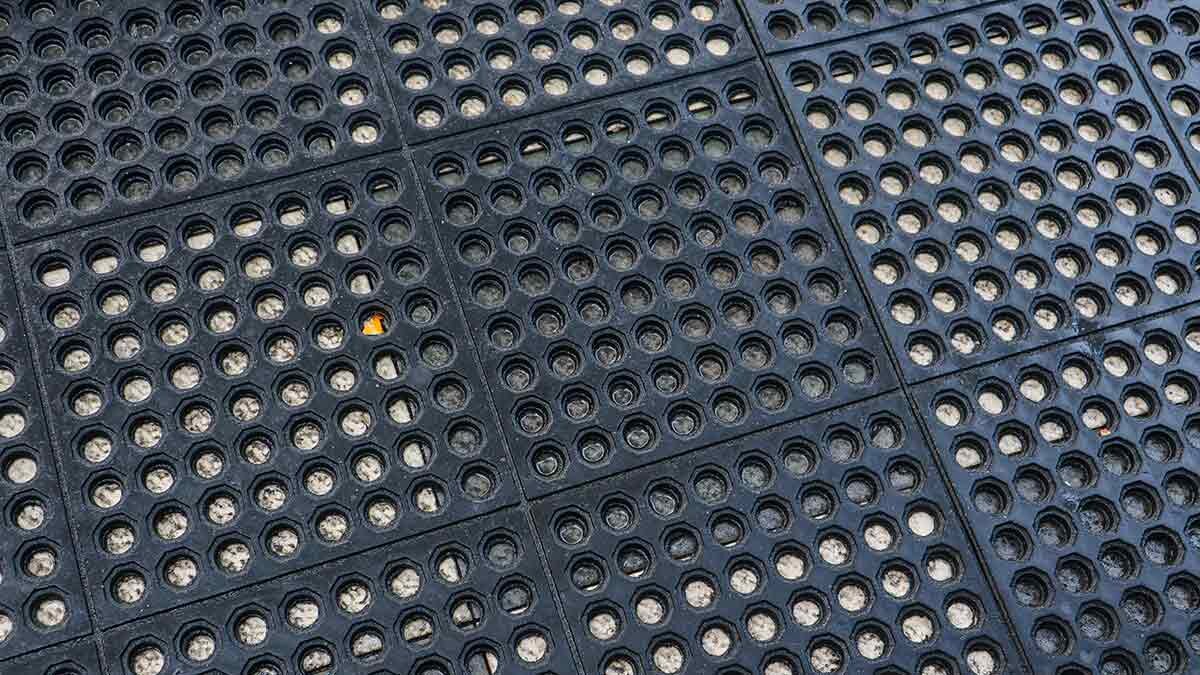
If you run a shop, kitchen, warehouse, or service counter, then you know how much time your team spends on their feet. Certain types of floor mats are designed to support comfort and may contribute to workplace safety. But with terms like “anti-fatigue mat” and “anti-slip mat” floating around, how do you know which one your space actually needs?
Let’s break it down in plain terms—no fluff, just facts.
What Is an Anti-Fatigue Mat?
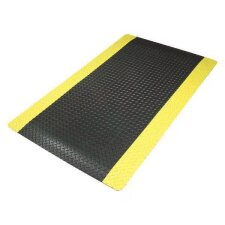
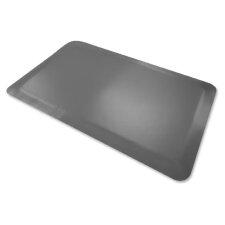
An anti-fatigue mat is built to ease the strain of standing for long periods. These mats encourage small, constant foot movements that may improve blood flow and reduce muscle fatigue. In other words, they are designed to enhance comfort and may support sustained attention during standing tasks.
 |  |  |
What Are Anti-Fatigue Mats Made Of?
You’ll find fatigue mats made from materials like soft foam, gel, or durable rubber. A rubber anti-fatigue mat is often the go-to for high-traffic areas or tougher environments like industrial shops.
Common places you’ll find anti-fatigue mats:
- Behind retail checkout counters
- Workbenches and assembly lines
- Food prep stations and commercial kitchens
- Anti-fatigue welding mats in metal shops
What Is an Anti-Slip Mat?
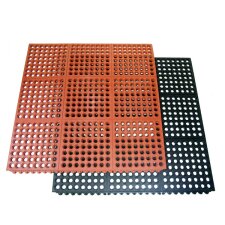
While anti-fatigue mats focus on comfort, anti-slip mats are designed to increase traction, which may help reduce the likelihood of slips in wet or greasy areas.
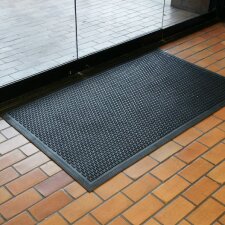
You’ll usually spot anti-slip mats in:
- Restaurant dishwashing stations
- Entryways during rain or snow
- Walk-in coolers or freezer areas
- Loading docks and janitorial zones
Common anti-slip features include:
- Textured surfaces for extra grip
- Drainage holes for liquids and debris
- Beveled edges to reduce trip risks
Anti-Fatigue vs. Anti-Slip Mats: Side-by-Side Comparison
| Anti-Fatigue Mats | Anti-Slip Mats | |
| Main Purpose | Reduce muscle strain from standing | Help prevent slips and falls |
| Surface Feel | Cushioned, may be lightly textured | Highly textured for traction |
| Material Examples | Foam, gel, rubber | Rubber, PVC with drainage |
| Where to Use | Dry standing zones like counters | Wet/oily areas like kitchens |
| Thickness | Generally thicker for comfort | Thinner to boost floor contact |
Not Sure Which to Choose? Here’s a Quick Guide
| Use Anti-Fatigue Mats where: | Use Anti-Slip Mats where: |
| People stand still for long shifts | Floors get slick from spills, oil, or wet shoes |
| Comfort, focus, and posture matter | Fall prevention is top priority |
| The floor stays dry | Fast drainage and easy cleanup are key |
Can You Use Both?
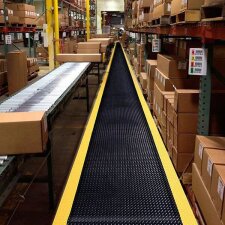
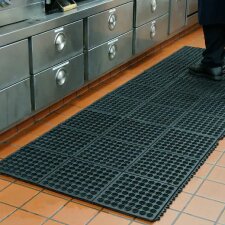
Absolutely. Some industrial anti-fatigue mats combine cushioning and slip resistance. These hybrid solutions are commonly used in foodservice, auto repair, or manufacturing settings where people stand for long hours on slick surfaces. Anti-fatigue welding mats often fall into this category too—made to hold up to heat, grime, and metal shavings while offering support.
 |  |
What to Consider Before You Buy
Whether you're purchasing a single mat or outfitting an entire facility, it's important to match the product to the environment and purpose. Start by asking these questions.
What’s the work environment like?
Is the area primarily for standing or walking? Are there wet, oily, or dry conditions? Consider how the mat will be used day to day.
Which material fits your needs?
Foam mats can offer comfort in low-traffic, dry areas, while rubber or vinyl mats are better suited for high-traffic zones or areas with exposure to moisture, chemicals, or heavy wear.
What’s your primary safety objective?
Are you aiming to reduce worker fatigue, prevent slips and falls, or achieve both? Different mat features support different goals—some prioritize comfort, while others focus on traction and drainage.
The mats you choose might seem like small details, but they can have a measurable impact. They support worker comfort, contribute to safer walking and standing conditions, and reflect thoughtful attention to your workplace environment. Browse our range of mats to find options that align with your facility’s needs.
Product Compliance and Suitability
The statements contained in this guide are intended for general informational purposes only. Such statements do not constitute a product recommendation or representation as to the appropriateness, accuracy, completeness, correctness, or currentness of the information provided. Information provided in this guide does not replace the use by you of any manufacturer instructions, technical product manual, or other professional resource or adviser available to you. Always read, understand, and follow all manufacturer instructions. Portions of this article were generated in part by ChatGPT, and edited by a member of the Zoro team.
