


Asbestos Safety for Contractors: Your Essential Guide
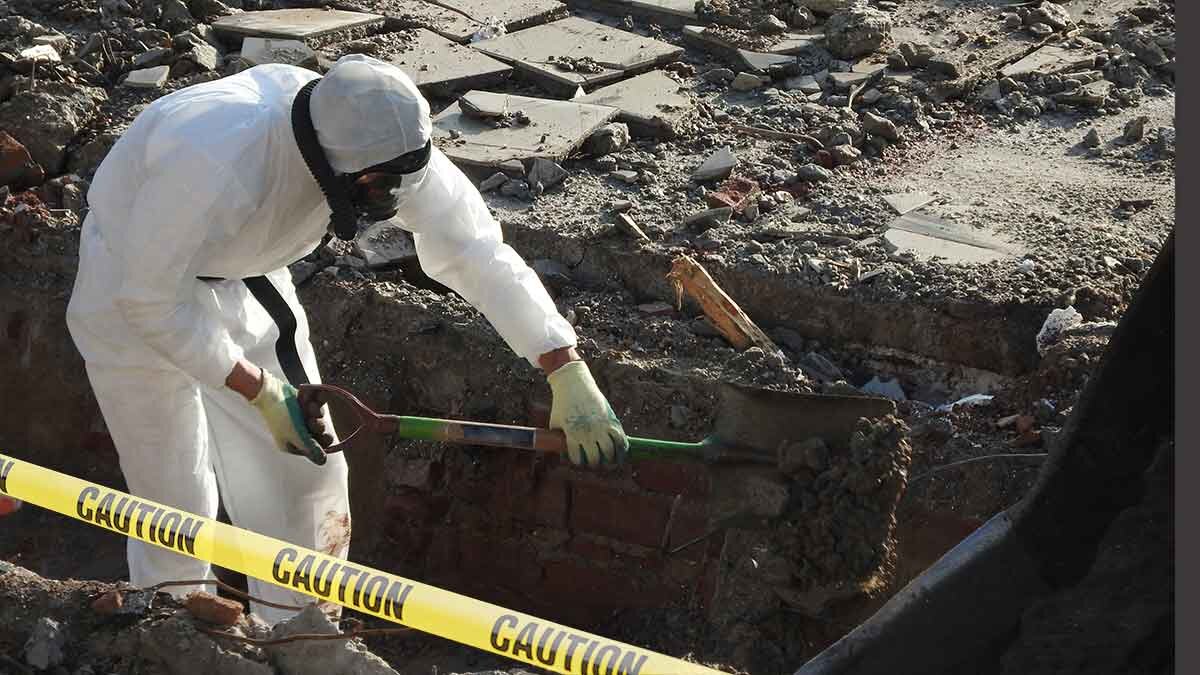
Table of Contents
- What Is Asbestos and Why Should Small Businesses Be Concerned?
- What Should Be Included in an Asbestos Safety Plan?
- OSHA Requirements: Monitoring and Training for Asbestos Safety
- What Asbestos Safety Equipment Do You Need?
- What Are the Top Asbestos Removal Safety Precautions?
- When Should You Call a Certified Abatement Contractor?
- FAQs
For renovation or remodeling business owners, asbestos safety is more than a regulatory box to check; it's a critical aspect of protecting your team and your company's future. Many older buildings contain asbestos in materials like insulation, roofing, and floor tiles. Before you begin any demolition or repair work, it's essential to have a clear asbestos removal safety plan.
What Is Asbestos and Why Should Small Businesses Be Concerned?
Asbestos is a mineral once widely used in insulation, flooring, roofing, and other building materials. It’s durable, heat-resistant—and hazardous when disturbed. Inhaling asbestos fibers can cause long-term health conditions, including lung cancer and mesothelioma.
Why it matters:
If your team unknowingly disturbs asbestos, you could face serious health risks, costly project delays, and legal consequences. That’s why every renovation contractor should have an asbestos removal safety plan ready to go before the first hammer swings.
What Should Be Included in an Asbestos Safety Plan?
A jobsite-specific safety plan is your first line of defense and is often a regulatory requirement. Your plan should be a reusable template to save time across multiple projects.
Your asbestos removal safety plan should include:
- Testing and inspection by a licensed asbestos professional
- Identified work zones (clean, transition, and contaminated areas)
- Communication plans and posted asbestos warnings
- Safe removal procedures and cleanup protocols
- Emergency contacts and decontamination steps
OSHA Requirements: Monitoring and Training for Asbestos Safety
What does OSHA require for asbestos safety in construction? If your renovation work could disturb asbestos, OSHA requires two key safety actions.
- Personal exposure monitoring
- Hazard awareness training
Before work begins, employers must assess the risk through exposure monitoring. This means measuring airborne asbestos fiber levels to determine whether your crew is at risk and what level of protective equipment and containment is needed. If there’s any potential exposure, even in Class III or IV work like maintenance or cleanup, hazard awareness training is mandatory. That training should cover:
- Where asbestos is commonly found
- Health effects of asbestos exposure
- The importance of asbestos safety precautions
- How to properly use asbestos safety equipment and decontaminate
For small business owners, this isn’t just about compliance; it’s about doing the right thing for your crew. Building awareness and making safety part of your culture reduces long-term risk.
What Asbestos Safety Equipment Do You Need?
When working with asbestos, standard personal protective equipment (PPE) is not enough. You need gear specifically designed for respiratory protection and containment. An asbestos safety kit should contain:
- Disposable coveralls (hooded and booted)
- NIOSH-approved HEPA-filter respirators
- Chemical-resistant gloves and protective footwear
- Eye protection (goggles or shields)
- Tape, disposal bags, and warning signs
You can find pre-packed asbestos safety kits that bundle all these essentials for easier jobsite prep.
What Are the Top Asbestos Removal Safety Precautions?
Following these asbestos removal safety precautions can drastically reduce exposure risks and help you stay compliant.
- Wet all materials before removal to minimize airborne fibers.
- Avoid dry sweeping or compressed air because they spread contamination.
- Use HEPA vacuums and wet wiping to clean up debris.
- Double-bag and label all asbestos waste clearly.
- Decontaminate tools, gear, and workers before leaving the area.
When Should You Call a Certified Abatement Contractor?
If the asbestos in your project is friable (easily crumbled) or if the job size exceeds local thresholds, call in licensed asbestos abatement professionals. It’s often required by law and always a safer route for your team and your business. Hiring pros isn’t passing the buck; it’s making the smart choice for high-risk removals.
FAQs
What is the first step in asbestos removal safety?
Always test the site with a certified asbestos inspector. Without lab-confirmed results, you risk exposure.
What PPE is required for asbestos removal?
At minimum: disposable suits, HEPA respirators, gloves, and goggles. For best results, use a full asbestos safety kit.
Can I remove asbestos myself?
Laws vary by state, but in many cases, only licensed professionals can legally handle asbestos. Even when allowed, strict asbestos abatement safety protocols must be followed.
Final Thoughts
As a small business owner, nothing is more important than safety. By equipping your team with the right asbestos safety gear, following proven asbestos safety precautions, and working from a clear asbestos safety plan, you are doing more than just meeting code; you're leading by example.
Product Compliance and Suitability
The statements contained in this guide are intended for general informational purposes only. Such statements do not constitute a product recommendation or representation as to the appropriateness, accuracy, completeness, correctness, or currentness of the information provided. Information provided in this guide does not replace the use by you of any manufacturer instructions, technical product manual, or other professional resource or adviser available to you. Always read, understand, and follow all manufacturer instructions. Portions of this article were generated in part by ChatGPT, and edited by a member of the Zoro team.
