


Ask the Expert: Warehouse Operations at Scale
Are you a small business owner or manager looking to scale your warehouse operations and take your business to the next level?
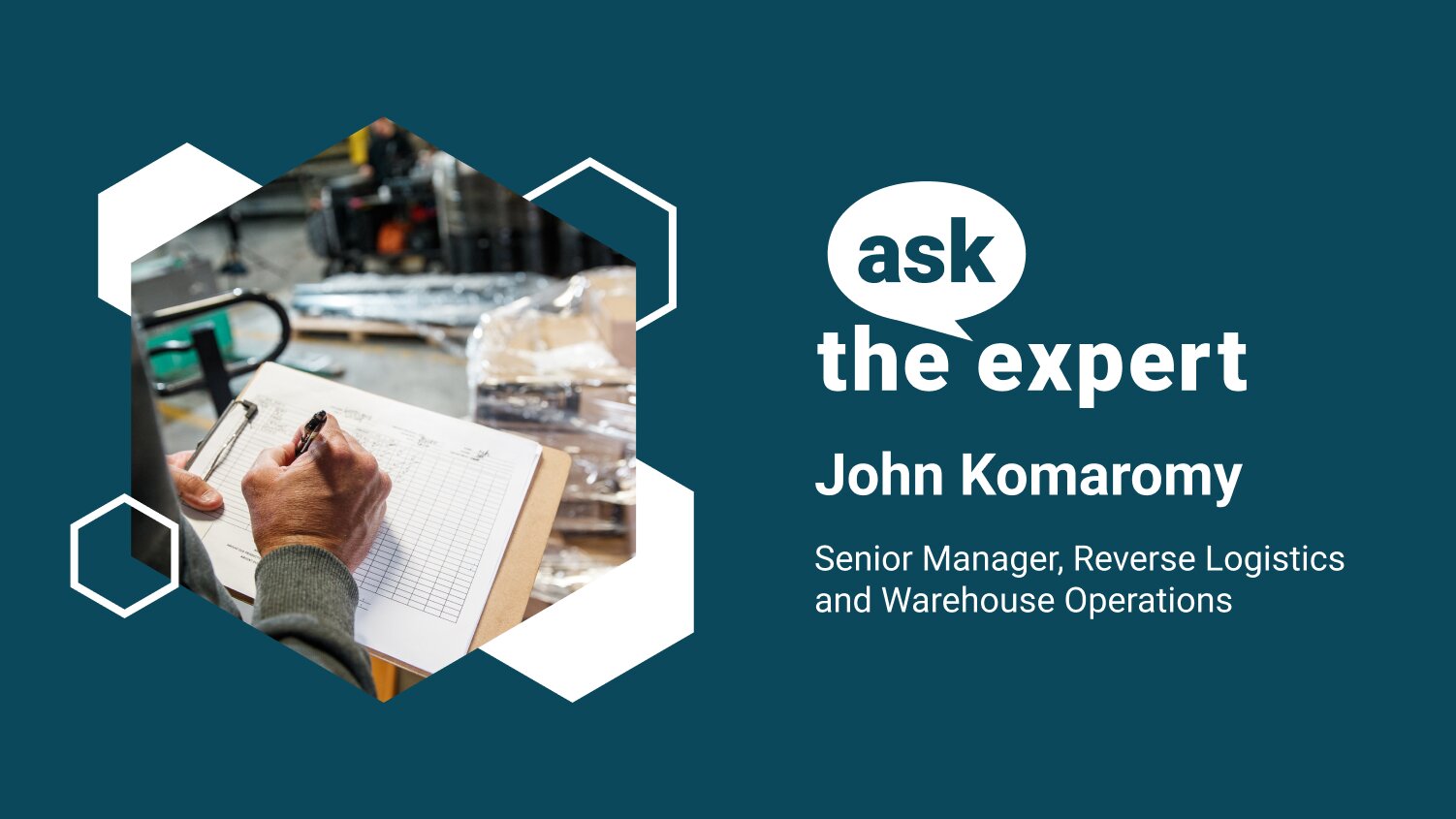
Zoro’s very own John Komaromy, Senior Manager of Reverse Logistics and Warehouse Operations, is here to help. John recently sat down for a detailed discussion on a wide range of topics related to warehouse logistics and his tips for growing businesses.
With more than 20 years of experience, John oversees the development and management of Zoro's Reverse Logistics and returns program operations, ensuring a seamless customer experience from fulfillment through return. Leveraging his deep supply chain and logistics expertise, John is standardizing and simplifying processes to create a strategic, industry-leading returns network while also managing all Warehouse Operations functions for the Zoro team.
Using John's guidance and expertise, we've put together this guide for small business owners who are looking to evolve their operations with an eye to safety, efficiency, and scalability. We'll discuss how you can transition your business from a small operation into a mature, efficient, and safe organization at scale—all while highlighting the importance of continual growth in order to stay competitive in a constantly changing market.
Embrace the Need for Change
Understand that as your business grows, so should your operations. Evolving your processes and safety measures is essential to acknowledging and continuing your growth.
In addition, consider that many safety and organizational practices are simple, common-sense measures that are often overlooked by smaller businesses. Small operators should recognize that industry guidelines and best practices can be scaled to fit your needs. As your business grows, many of the same best practices that apply to large companies will also apply to your small business.
Implement Safety Measures
Prioritizing safety from the start is crucial. Implementing basic safety measures such as safety taping on the warehouse floor, installing safety nets for tall pallets, and clearly defining areas for different operations can make a big difference. Additionally, providing a checklist of simple, easy-to-implement safety practices can go a long way in significantly reducing the risk of accidents in your small warehouse or store.
Scale Industry Guidelines to Fit Your Business
No matter the size of your business, industry guidelines can be adapted to fit your needs.
Begin by familiarizing yourself with the industry standards for warehousing and operations management. Understanding these guidelines is key to running an efficient operation. As a small business owner, you have the flexibility to adapt these standards to fit the scale and budget of your business, ensuring that even a smaller operation can meet industry expectations effectively.
Leverage Technology for Efficiency
The right technology and tools can make all the difference when it comes to optimizing for efficiency in your small business. For example, installing TV monitors and cameras, or even a full CCTV system, can serve multiple purposes in your business. These tools allow you to monitor employee activity, keep an eye on shipments coming in and out, and check entrances when someone rings the bell.
Beyond cameras, consider investing in other affordable technology solutions that can boost operational efficiency and improve employee engagement, making your small business run smoother overall.
Define Processes for Storing and Handling Inventory
The right processes for storage and inventory handling will allow you to train your employees effectively, boost efficiency, and improve your processes as you continue to scale the business.
Outline clear processes for storing, handling, and tracking inventory, and provide your team with a step-by-step guide to follow. Document these processes thoroughly for training purposes to ensure everyone is on the same page.
You should also emphasize the importance of training employees on these procedures to maintain consistency and safety across your operations. Encourage regular reviews and updates to these processes as your business grows and evolves, ensuring they remain effective and relevant.
* * *
Ready to take the next step in evolving your operations and preparing your small business to scale and grow? Remember that investing time and resources into small, proactive changes today can lead to huge improvements in the future when it comes to efficiency, safety, technology, and much more. As a business owner, you have the power to make growth and improvement an essential part of your business strategy going forward.
Product Compliance and Suitability
The statements contained in this guide are intended for general informational purposes only. Such statements do not constitute a product recommendation or representation as to the appropriateness, accuracy, completeness, correctness, or currentness of the information provided. Information provided in this guide does not replace the use by you of any manufacturer instructions, technical product manual, or other professional resource or adviser available to you. Always read, understand, and follow all manufacturer instructions.
