


Autoclave vs. Sterilizer: Choosing the Best Method for Safety
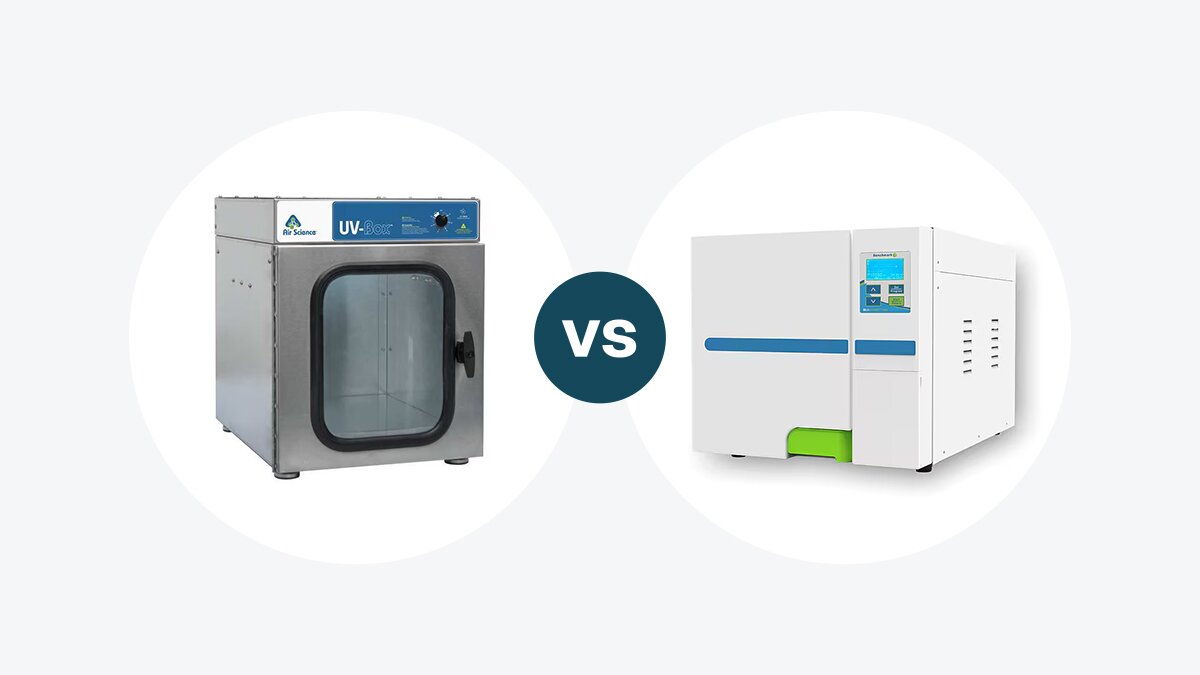
If you run a small business in construction, manufacturing, or maintenance, keeping tools and materials clean helps you stay compliant, protect your investment, and keep your team safe. But when it comes to sterilization equipment, the terms "autoclave" and "sterilizer" often get used interchangeably, which can make choosing the right one confusing. Let’s break down what sets them apart and how to decide which fits your operation best.
What Is a Sterilizer?
A sterilizer is any piece of equipment designed to eliminate microorganisms—bacteria, spores, and viruses—from tools, parts, or surfaces. Sterilizers are found across industries where cleanliness and contamination control are essential, from industrial facilities to food processing plants.
Different types of sterilization equipment include:
Steam sterilizers (autoclaves)
Dry-heat sterilizers
Chemical or gas sterilizers
Plasma sterilizers
UV or radiation systems
Each type uses a different process, but the goal is the same: complete sterilization. The best option depends on your materials, temperature tolerance, and workflow needs.
What Is an Autoclave?
An autoclave is a specific type of sterilizer that uses pressurized steam to destroy microorganisms. It’s one of the most reliable methods for sanitizing equipment used in manufacturing, maintenance, and lab environments.
Autoclaves work by heating water until it becomes high-pressure steam, usually around 250°F (121°C) or higher. The combination of steam, heat, and time penetrates deep into materials to remove contaminants.
You’ll commonly find autoclaves used for:
Manufacturing—Cleaning reusable metal or glass parts before reassembly.
Construction testing labs—Preparing materials like concrete or soil samples.
Industrial maintenance—Sterilizing small equipment or precision tools.
The Difference Between Autoclaves and Other Sterilizers
In short, every autoclave is a sterilizer, but not every sterilizer is an autoclave. If your equipment uses pressurized steam, it’s technically an autoclave. When comparing steam sterilizers and autoclaves, the real difference is in the method: steam versus another sterilization process like gas or UV light.
Choosing the Right Sterilization Method for Your Business
Different environments call for different tools. Here’s a quick guide for small businesses to determine what fits best.
Steam Autoclaves: For durable tools, stainless steel, and glass. Common in maintenance shops and production floors.
Dry-Heat Sterilizers: Best for moisture-sensitive materials like oils or powders.
Gas Sterilizers (Ethylene Oxide): Ideal for heat-sensitive parts but requires ventilation and longer cycle times.
Plasma Sterilizers: Great for plastics and fiber optics, using low-temperature hydrogen peroxide plasma.
UV or Radiation Systems: Used for surface sterilization in packaging or cleanroom environments.
For most industrial or shop applications, autoclaves handle everyday sterilization, while other types fill specialized roles.
When to Use Each
Safety, Compliance, and Maintenance Tips
Even for small businesses, safety and documentation matter. Keeping up with standards helps avoid downtime and costly repairs.
Follow industry standards: Review OSHA, ISO, or local sterilization requirements.
Verify regularly: Use biological or chemical indicators to confirm proper sterilization.
Inspect equipment: Check gaskets, valves, and sensors; buildup can affect performance.
Train staff: Ensure operators understand pressure and temperature controls.
Use clean water: Distilled or deionized water extends equipment life.
Final Thoughts
Understanding the difference between autoclaves and sterilizers helps you choose equipment that keeps your business running safely and efficiently. Whether you’re preparing test samples, sanitizing parts, or maintaining clean production areas, the right sterilization method supports compliance and long-term productivity.
For a deeper dive into how autoclave sterilization works, visit Zoro’s Resource Hub.
Product Compliance and Suitability
The statements contained in this guide are intended for general informational purposes only. Such statements do not constitute a product recommendation or representation as to the appropriateness, accuracy, completeness, correctness, or currentness of the information provided. Information provided in this guide does not replace the use by you of any manufacturer instructions, technical product manual, or other professional resource or adviser available to you. Always read, understand, and follow all manufacturer instructions. Portions of this article were generated in part by ChatGPT, and edited by a member of the Zoro team.
