


Automotive Crimps & Crimping Tools
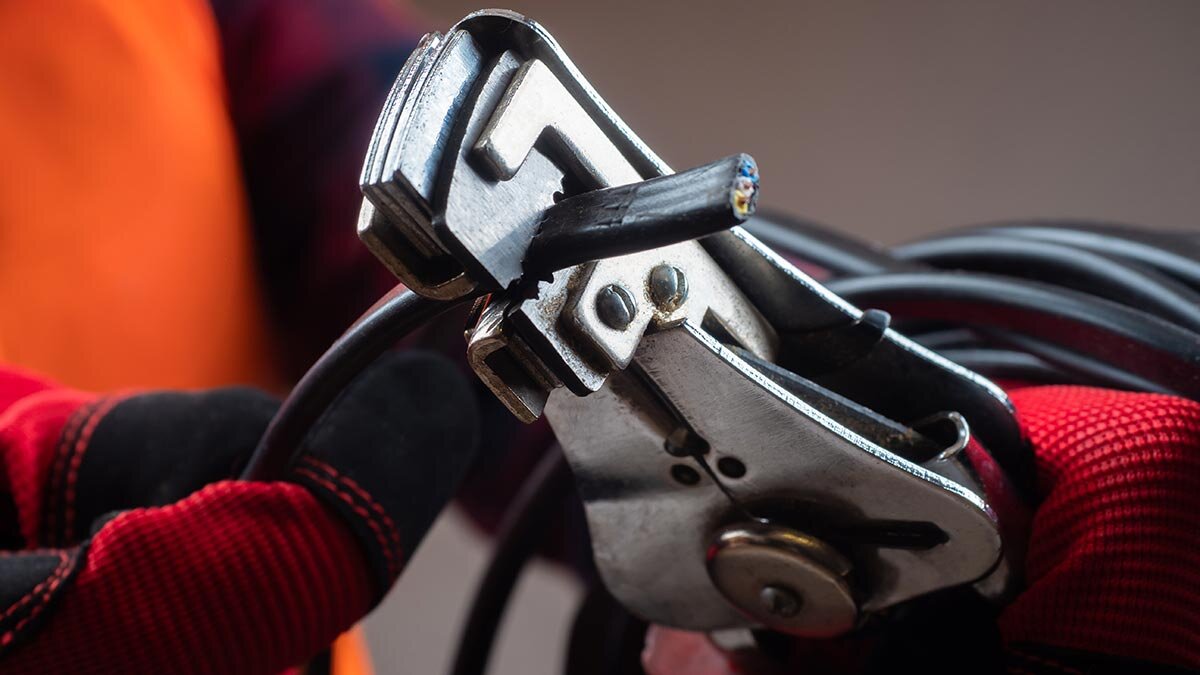
When you’re wiring a vehicle or fabricating a fluid system, a solid crimp can make the difference between a connection that lasts and one that fails under pressure. This guide breaks down the most common types of automotive crimps and tools, plus tips to get better, longer-lasting results.
What Is an Automotive Crimp?
A crimp mechanically bonds a wire or hose to a terminal or fitting—no solder needed. A good crimp holds up against heat, vibration, and moisture. You’ll find them in:
- Electrical wiring (signal and power)
- Battery cables and ignition systems
- HVAC and A/C lines
- Fuel and hydraulic hose ends
Crimping is faster, more reliable, and easier to standardize than soldering, especially for professional repairs and builds.
Common Crimp Types
Electrical Terminals
Pre-insulated, heat-shrink, and butt connectors are common in repairs and wiring harnesses.
Open Barrel Crimps
Used in OEM-style connectors with two wings for conductor and insulation. Requires matched dies.
Pin & Socket Crimps
Found in Delphi, Deutsch, Molex, and AMP connectors; great for modular harnesses.
Battery Cable Lugs
Heavy-gauge terminals used in starter, alternator, and high-current aftermarket circuits.
A/C Hose Fittings
Beadlock and barbed-style crimp fittings for flexible refrigerant lines.
Tool Types by Application
Manual Crimpers
Great for quick repairs and small wire gauges (22–10 AWG).
Ratcheting Crimp Tools
Offer controlled pressure; ideal for precision work on harnesses and open-barrel connectors.
Hydraulic Crimpers
Used for large cables (2 AWG to 4/0) in battery systems and power circuits.
A/C Hose Crimpers
Specialty tools for beadlock fittings; require matched dies and hose sizing.
Why Crimping Beats Soldering in Most Cases
Crimping is preferred in OEM and fleet work because it’s:
- Faster to apply
- Better at handling vibration
- Easier to inspect for quality
Soldering has its place, but for under-hood or high-load jobs, crimping often produces more consistent results in professional settings.
5 Quick Tips for Better Crimps
- Match your terminal, wire, and crimp tool by size (AWG or mm²).
- Use the correct die shape, especially for open-barrel pins.
- Choose sealed terminals for wet or outdoor environments.
- Avoid mismatching insulated tools with non-insulated connectors.
- Keep dies clean and inspect them regularly for wear.
Final Thoughts
The right crimp depends on the wire, the environment, and the job’s demands. For buyers and technicians, understanding terminal types and tool fitment helps reduce rework, improve reliability, and build trust with every job.
