


Best Cold Weather Extension Cords for Winter Jobsites
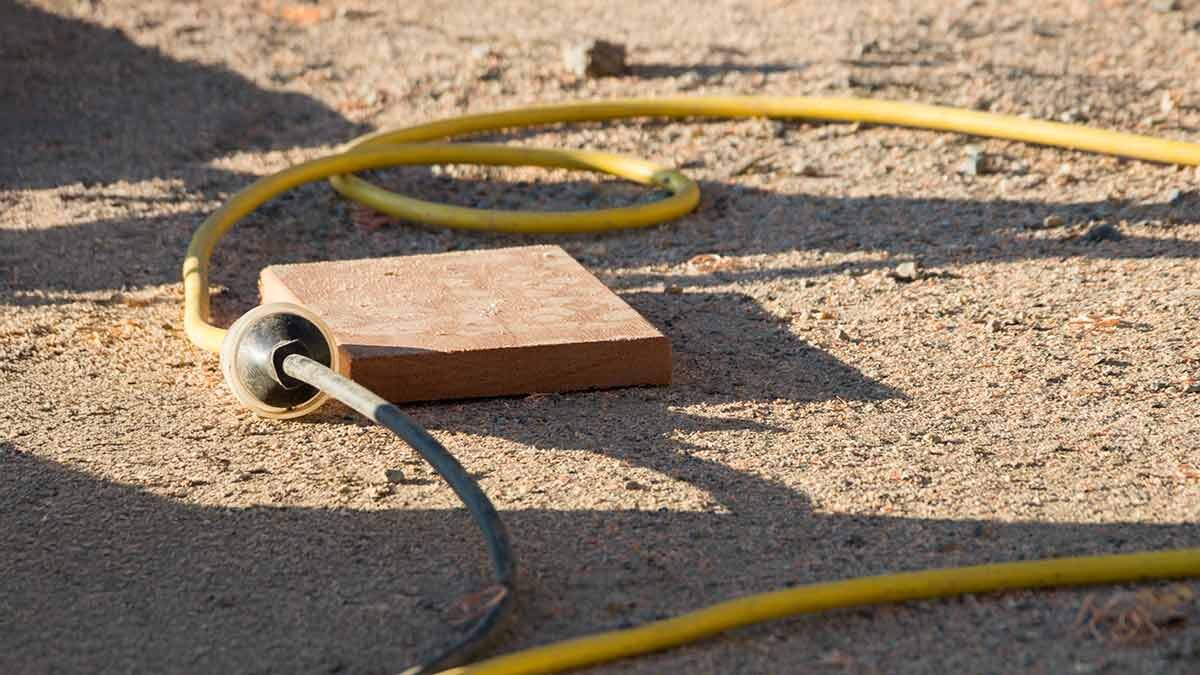
When freezing temperatures hit your jobsite or outdoor facility, it’s essential to have a cold-weather extension cord that won’t stiffen or crack. The best winter extension cords stay flexible, resist moisture, and maintain electrical safety even in subzero temperatures. Whether you’re running outdoor lights, heaters, or industrial tools, cold-rated cords help keep your business moving.
Quick Answer: How to Tell If an Extension Cord Is Outdoor Rated
Look for a “W” or “W-A” marking on the cord jacket. These letters indicate the extension cord is weather-resistant and safe for outdoor use. Additionally:
- UL- or ETL-listed cords meet safety standards.
- Packaging should mention “outdoor use” or “weather resistant.”
- Look for a cold-temperature rating (e.g., -40°F).
- Choose cords labeled "heavy duty" for demanding tools.
Key Features of Winter-Ready Extension Cords
For business owners in construction, maintenance, or property management, here’s what to prioritize when buying an outdoor extension cord for cold weather.
Weather-Resistant Outer Jacket
A weather-resistant extension cord is designed to resist abrasion, snow, rain, and ice. This jacket also prevents cracking as temperatures drop.
Heavy-Duty Gauge for Power Tools
A heavy-duty outdoor extension cord needs to handle voltage drops. Cords labeled 10/3 or 12/3 AWG are better suited for tools, heaters, and high-draw equipment.
Flexible at Subzero Temps
A low-temperature extension cord uses TPE or rubber insulation that stays flexible in freezing environments. This makes it easier to coil and uncoil without risking internal wire damage.
Waterproof Connection
Using a waterproof extension cord helps ensure safe operation even in snow or wet areas, and it is especially ideal for jobsites with heaters or outdoor lighting.
FAQs
What extension cord is best for freezing temperatures?
Look for a cold-weather extension cord with a -40°F rating, heavy-duty 12/3 or 10/3 wire gauge, and a weather-resistant jacket. TPE or rubber-insulated cords are ideal.
Can I use an extension cord in snow or rain?
Yes, but only if it’s labeled as "weather resistant." If you need to connect two cords, use a weatherproof cord connector. Always keep plugs elevated and avoid pooling water.
How long can a heavy-duty cold-weather cord be?
100' is common for large jobsites. Use a 10/3 AWG cord to prevent voltage drop across long distances.
Are extension cords waterproof?
No cord is fully submersible, but a waterproof extension cord offers weather-resistant protection. Pair with a waterproof connector cover for added safety.
Tips for Using Cold-Weather Extension Cords Safely
- Coil cords loosely when storing to prevent internal damage.
- Don’t run cords under doors, tires, or equipment.
- Check for cracks before each use.
- Always keep plugs and connectors dry.
If you’re working outdoors in winter, your gear needs to keep up. Investing in a winter extension cord that’s waterproof, heavy-duty, and cold-rated isn’t just smart, it’s a way to keep your jobsite safer and your work more efficient. You’ve got enough to handle in freezing temps—your power supply shouldn’t be one of them.
Product Compliance and Suitability
The statements contained in this guide are intended for general informational purposes only. Such statements do not constitute a product recommendation or representation as to the appropriateness, accuracy, completeness, correctness, or currentness of the information provided. Information provided in this guide does not replace the use by you of any manufacturer instructions, technical product manual, or other professional resource or adviser available to you. Always read, understand, and follow all manufacturer instructions. Portions of this article were generated in part by ChatGPT, and edited by a member of the Zoro team.
