


Bimetal vs. Carbide Hole Saws: Choosing the Right Tool for Machine Shops
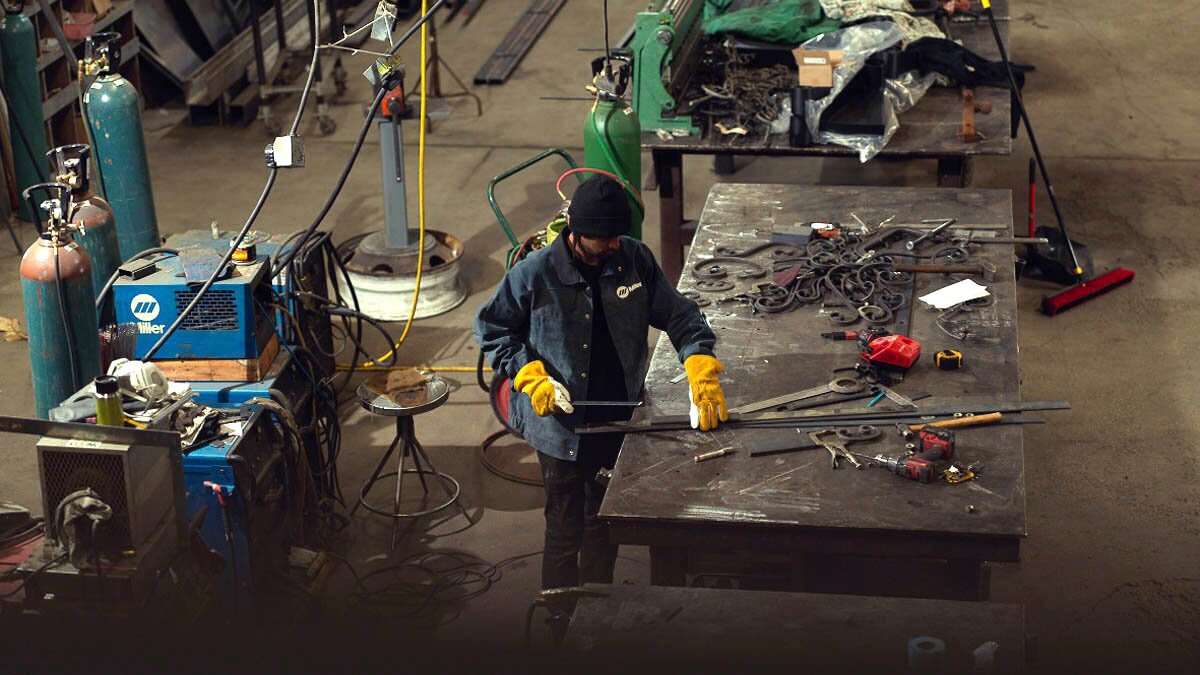
Machine shops demand reliable cutting tools that deliver precision and efficiency. With different types of hole saws available, selecting the most effective option for durability, cutting performance, and cost-efficiency is crucial. This guide breaks down the key differences between bimetal and carbide hole saws, outlining their benefits, limitations, and typical uses for various metals.
Understanding Hole Saw Materials
Hole saws are designed to create clean, precise holes in materials ranging from plastics and wood to stainless steel and aluminum. The two most common options in industrial settings are bimetal and carbide-tipped hole saws, each offering unique benefits.
- Bimetal hole saws: Constructed from two fused metal layers—typically high-speed steel (HSS) and a flexible steel backing—offering a balance of durability and versatility.
- Carbide hole saws: Designed with carbide-tipped teeth or solid carbide construction, providing enhanced cutting power and extended tool life when working with tough metals.
Comparing Bimetal and Carbide Hole Saws
Bimetal Hole Saws | Carbide Hole Saws | |
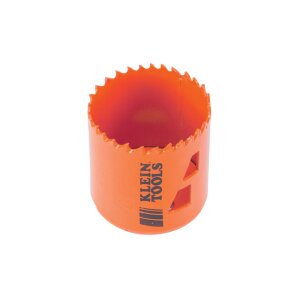 |
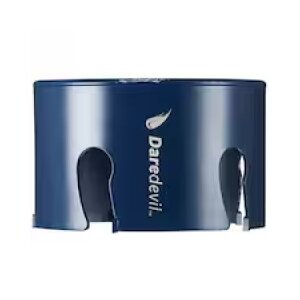 | |
| Versatility | Works well on mild steel, aluminum, plastics, and wood | Best suited for hardened metals like stainless steel and cast iron |
| Cutting Speed | Slower compared to carbide | Faster cutting, reducing machining time |
| Durability | Moderate lifespan; wears faster on tough metals | Long-lasting; resists heat and wear |
| Flexibility | More forgiving; less prone to cracking | Brittle if misused or exposed to excessive force |
| Sharpening | Requires periodic sharpening | Should be professionally sharpened for precision |
| Applications | General machining, repair work, mixed-material cutting | High-production environments, hardened metals, precision machining |
Selecting a Hole Saw for Your Machine Shop
When choosing between bimetal and carbide hole saws, consider these factors.
- Material Compatibility—Cutting softer materials? Bimetal is a cost-effective option. Working with hardened steel? Carbide offers better longevity.
- Production Demands—High-volume machine shops benefit from carbide’s durability and cutting speed, while shops with varied material needs may prefer bimetal’s versatility.
- Cost vs. Tool Longevity—While carbide costs more up front, its extended lifespan can reduce long-term tool replacement expenses.
Both bimetal and carbide hole saws play a critical role in machine shop operations. Bimetal hole saws are versatile and cost-efficient for general machining, while carbide hole saws are built for high-performance, heavy-duty applications. Evaluating material type, production volume, and tool longevity can help machine shops make informed purchasing decisions.
Explore Zoro's industrial-grade cutting tools for a full selection of hole saws and accessories.
Product Compliance and Suitability
The statements contained in this guide are intended for general informational purposes only. Such statements do not constitute a product recommendation or representation as to the appropriateness, accuracy, completeness, correctness, or currentness of the information provided. Information provided in this guide does not replace the use by you of any manufacturer instructions, technical product manual, or other professional resource or adviser available to you. Always read, understand, and follow all manufacturer instructions. Portions of this article were generated in part by ChatGPT, and edited by a member of the Zoro team.
