


Brad Nailer vs. Finish Nailer: What’s the Difference?
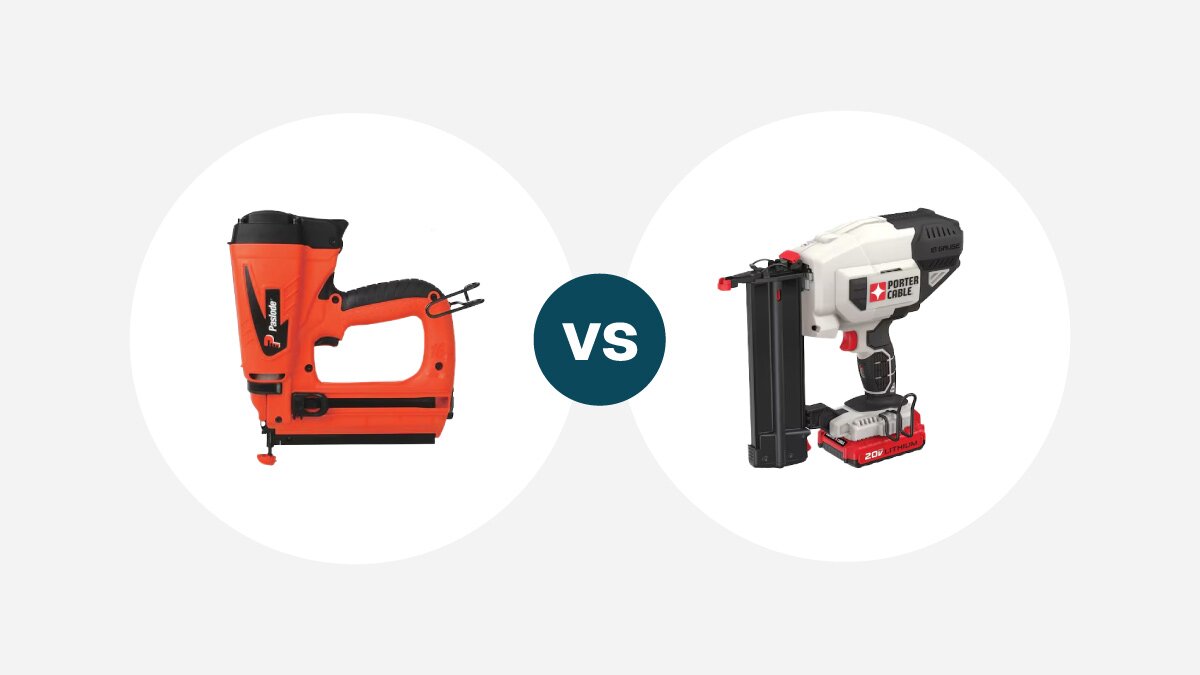
When you're managing projects, tools that save time and effort are more than a convenience, they’re a necessity. Brad nailers and finish nailers are both go-to tools for trim, molding, and cabinetry work, but they’re not interchangeable. This guide breaks down the difference between brad and finish nailers—covering nail size, holding strength, and recommended uses—so you can match the right tool to your trim or finishing application.
Brad Nailer vs. Finish Nailer
| What’s a Finish Nailer? |
|  |
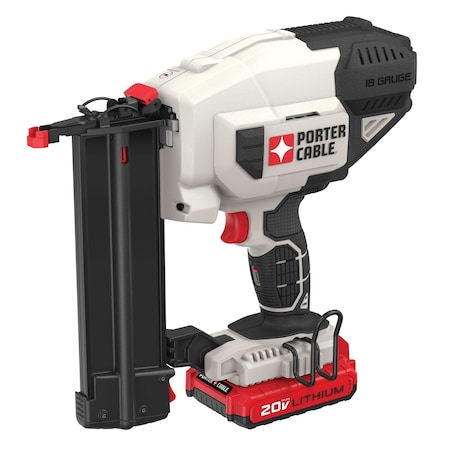
Brad nailers shoot 18-gauge nails, also known as brads. These nails are thinner and leave smaller holes, making them ideal for lightweight trim and detailed work where appearance matters. Brad nailers offer precision for delicate materials and reduce the risk of splitting wood.
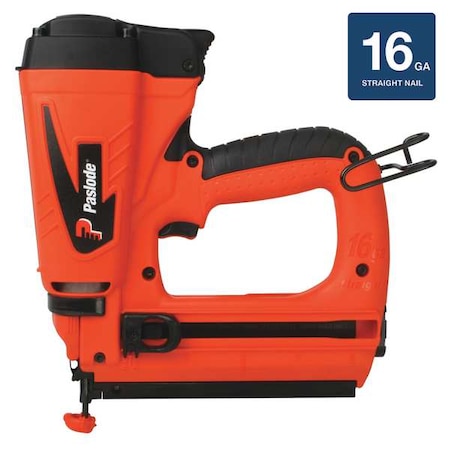
| Finish nailers use thicker 15- or 16-gauge nails, providing more holding power than a brad nailer. These are the tools you reach for when you need to fasten heavier materials that require long-term strength and durability.
|
Use a brad nailer for: Delicate trim and molding Paneling or veneer Small decorative elements Baseboards (lightweight)
| Use a finish nailer for: Crown molding Window and door casings Stair treads and risers Structural baseboards or heavy trim |
Brad Nailer vs. Finish Nailer for Trim Work
If you're working with thin trim or detailed pieces, a brad nailer gives you the control and finesse to get clean results without damage. For heavier molding or structural trim, a finish nailer delivers a stronger hold and lasting durability. Many professional teams keep both tools on hand, switching based on the material and the task.
Choosing between a brad nailer and a finish nailer isn’t about which tool is better; it’s about which suits the task. Having both on hand gives your crew the flexibility to handle detailed and durable installs in one workflow. If you’re managing a tight tool budget, knowing when to use one nailer over another can help you get the most from your investment. Explore brad and finish nailers on Zoro today, and get the tools your team needs to handle every trim job with confidence.
Frequently Asked Questions
What is the difference between a brad nailer and a finish nailer?
Brad nailers use 18-gauge nails for light trim. Finish nailers use thicker 15- or 16-gauge nails for heavier materials.
Can I use a brad nailer for baseboards?
Yes, for thinner baseboards. For thicker or structural ones, a finish nailer offers better holding power.
What size nail gun should I use for trim?
Use a brad nailer (18 gauge) for delicate trim. Use a finish nailer (15 or 16 gauge) for window casings, crown molding, or large trim.
Do I need both a brad nailer and a finish nailer on the jobsite?
Many pros carry both for flexibility. Brad nailers handle precision; finish nailers provide strength.
What is an 18-gauge brad nailer best used for?
Securing light trim, base shoe, thin molding, and panels without splitting wood or leaving large nail holes.
Can a finish nailer damage delicate materials?
Yes. Finish nailers use more force and thicker nails that can split soft or narrow wood.
What’s the difference between a pin nailer, a brad nailer, and a finish nailer?
Pin nailers (23 gauge) are for ultra-fine work. Brad nailers (18 gauge) handle light trim. Finish nailers (15–16 gauge) are used for heavy moldings.
Always follow the manufacturer's instructions and safety guidelines when selecting and using pneumatic or electric nailers.
Product Compliance and Suitability
The statements contained in this guide are intended for general informational purposes only. Such statements do not constitute a product recommendation or representation as to the appropriateness, accuracy, completeness, correctness, or currentness of the information provided. Information provided in this guide does not replace the use by you of any manufacturer instructions, technical product manual, or other professional resource or adviser available to you. Always read, understand, and follow all manufacturer instructions. Portions of this article were generated in part by ChatGPT, and edited by a member of the Zoro team.
