


Centrifugal Pump Parts Explained
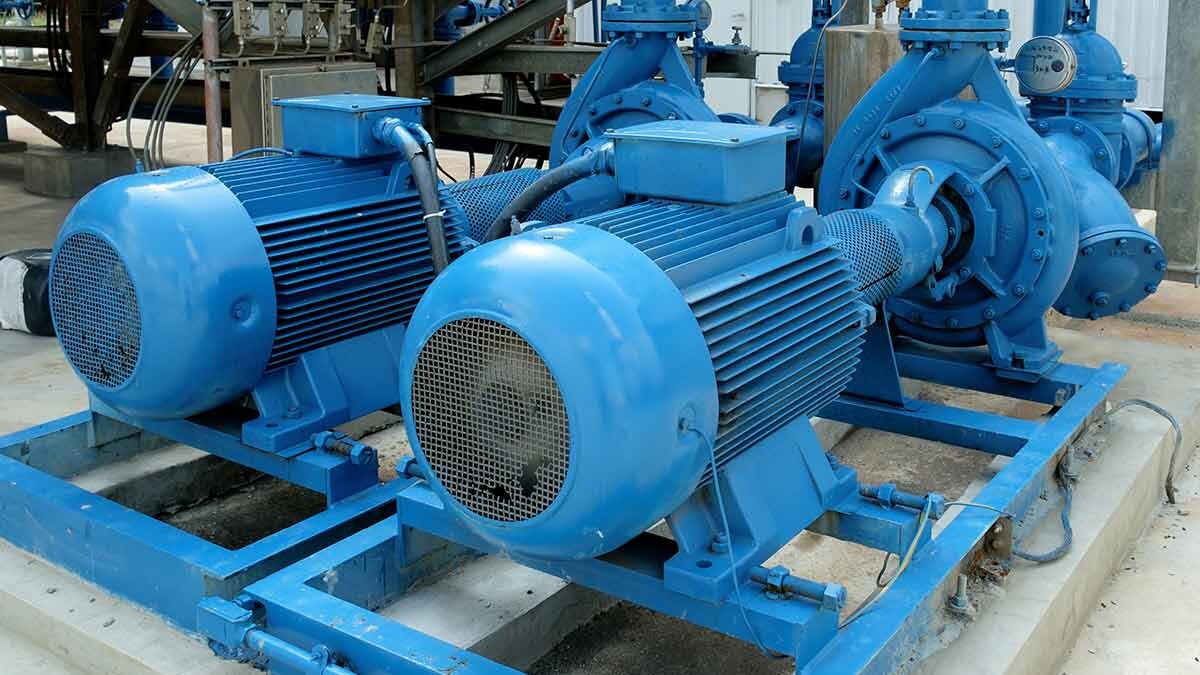
You’ve got a business to run, and reliable equipment like pumps is part of what keeps the work moving. Understanding centrifugal pump parts isn’t just technical—it gives you control. From the impeller that drives flow to the seals that contain it, knowing what you have under the hood helps you make smart decisions and cut downtime. Let’s break it down in plain terms so you can tackle your pump needs with confidence.
Why Centrifugal Pumps Matter for Your Business
No matter your line of work, centrifugal pumps keep operations moving. In agriculture, they drive irrigation. In manufacturing, they transfer cooling water or chemicals. Construction and maintenance crews use them to move everything from wastewater to fuel. Their reliability makes them a standard tool across industries. And when you know the main components of a centrifugal pump, you’re better equipped to spot issues early, order replacement parts, and keep your team on schedule.
Main Components of a Centrifugal Pump
Here’s a quick breakdown of the centrifugal pump parts you’ll encounter most often.
Impeller: The spinning component that pushes liquid outward using centrifugal force. Different pump impeller types include open, semi-open, and closed designs, each handling different fluids.
Shaft: The central rod that connects the impeller to the motor, transmitting power and torque. The shaft ensures smooth energy transfer from the driver to the pump rotor.
Casing: The housing that holds the impeller and directs liquid flow. Among pump casing types, the volute casing is most common, shaped like a spiral to convert velocity into pressure.
Suction Pipe: The pipe that draws fluid into the pump inlet. It must remain properly primed and sized to maintain consistent flow and avoid cavitation.
Delivery Pipe: The pipe that carries fluid from the pump outlet to the system or application point. Its sizing impacts flow rate and discharge pressure.
Bearings: These support the pump shaft and keep it rotating smoothly. Common pump bearing types include ball bearings, roller bearings, and sleeve bearings, chosen based on load, speed, and operating conditions.
Wear Rings: Stationary rings in the casing and matching rings on the impeller help limit internal leakage and protect the impeller and casing surfaces. By controlling fluid recirculation between the impeller and the pump housing, they maintain hydraulic efficiency and extend component life.
Sealing Systems That Protect Your Pump
Leaks don’t just waste fluid. They slow down production and can damage equipment. That’s why sealing systems matter.
- Compression Packing: A traditional method using flexible rings compressed around the shaft.
- Mechanical Seals: A modern option that reduces leakage with precision-machined surfaces.
- Stuffing Box: The chamber where sealing material sits.
- Shaft Sealing: General term for all sealing methods that prevent fluid loss.
- Glandless Centrifugal Pumps: Pumps designed to operate without shaft seals, eliminating leakage risks in some applications.
Where Centrifugal Pumps Fit in Your Industry
Centrifugal pumps are versatile, making them useful across many business operations.
| Construction | Manufacturing | Agriculture |
| Dewatering job sites, pumping water for mixing, or moving wastewater. | Circulating cooling water, transferring chemicals, or feeding process systems. | Running irrigation systems, pumping fertilizers, and managing wastewater. |
Water Treatment |
Oil & Gas / Industrial Services |
Food & Beverage |
| Supporting filtration, circulation, and desalination. | Moving fuels, lubricants, and process fluids. | Pumping liquids like juices or syrups with consistency. |
Putting It All Together
Think of your centrifugal pump like a team:
- The impeller drives movement.
- Bearings and shafts keep things rotating.
- Casings and wear rings shield the main parts.
- Seals protect against leaks.
- Pipes and couplings carry the flow.
For small business owners, understanding these parts doesn’t mean you need to be an engineer. It just gives you the knowledge to make smart equipment decisions, order the right parts, and reduce costly downtime.
Centrifugal pumps are at work in almost every industry, from farming fields to factory floors. By learning about the main components of a centrifugal pump—including centrifugal pump impellers, seals, casings, bearings, and wear rings—you gain practical know-how that helps your business stay efficient and dependable. Every part has a purpose, and when you understand how they work together, your equipment works harder for you.
Product Compliance and Suitability
The statements contained in this guide are intended for general informational purposes only. Such statements do not constitute a product recommendation or representation as to the appropriateness, accuracy, completeness, correctness, or currentness of the information provided. Information provided in this guide does not replace the use by you of any manufacturer instructions, technical product manual, or other professional resource or adviser available to you. Always read, understand, and follow all manufacturer instructions. Portions of this article were generated in part by ChatGPT, and edited by a member of the Zoro team.
