


Choosing the Right Crimping Tool: A Guide for Professionals
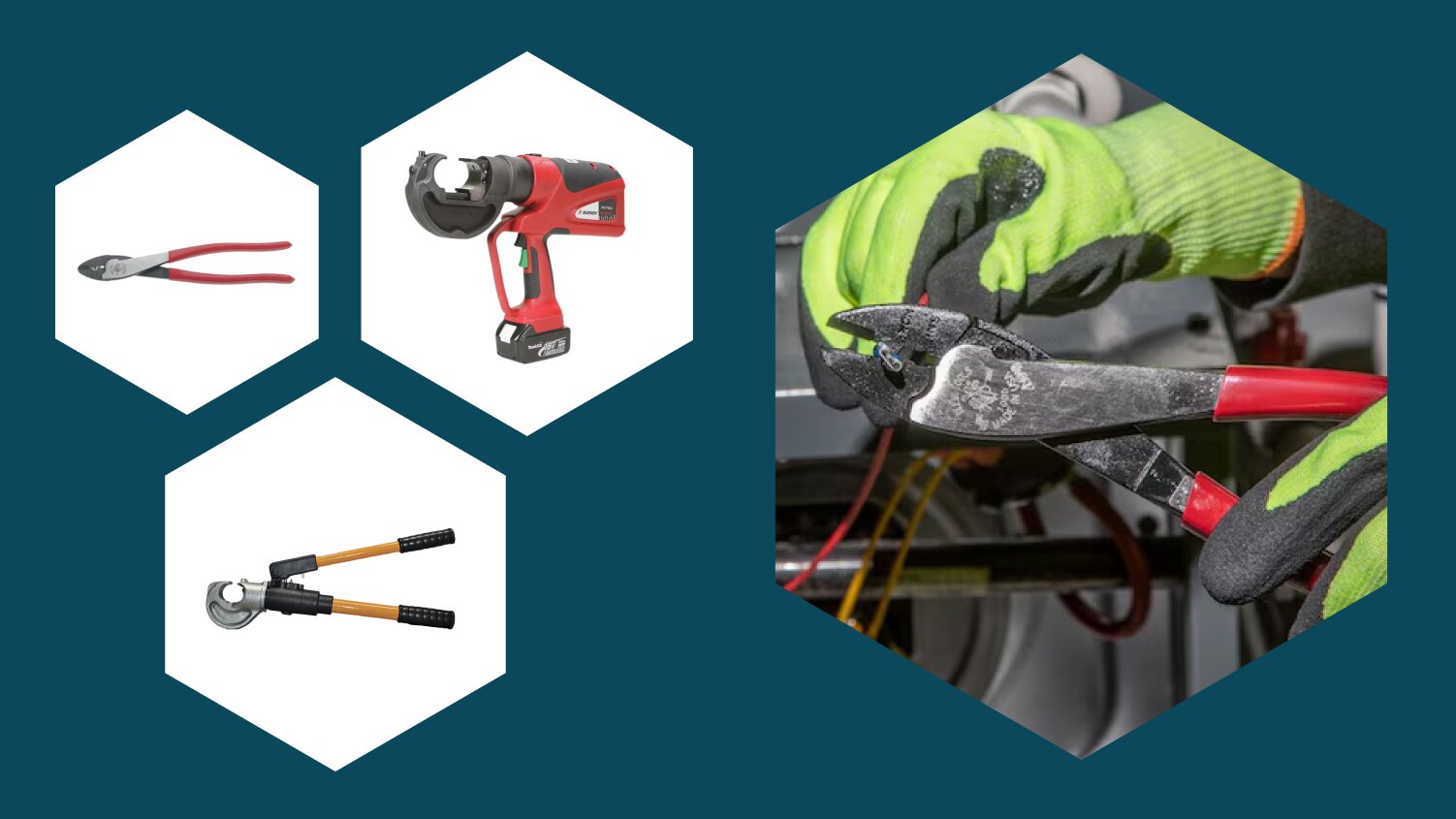
For professionals who use crimping tools daily, having the right equipment is crucial for creating strong, reliable electrical connections with minimal effort. Whether you're an electrician dealing with high-voltage crimp terminations, an IT specialist managing network cables, or an automotive technician working with different types of connectors, selecting the best crimping tool can boost efficiency, minimize rework, and improve job performance. With a wide range of options available—manual, hydraulic, and battery-powered—how can you determine which is best for your needs? This guide will assist you in making an informed choice based on your workload, precision requirements, and industry standards.
Manual vs. Hydraulic vs. Battery-Powered Crimpers: Which One Is Right for You?
Not all professional crimping tools are created equal. Here’s how different types compare based on essential factors.
| Manual Crimpers | Hydraulic Crimpers | Battery-Powered Crimpers | |
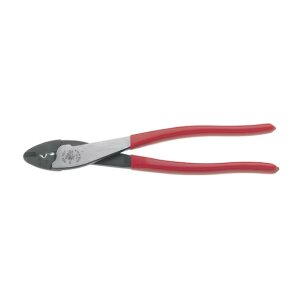 | 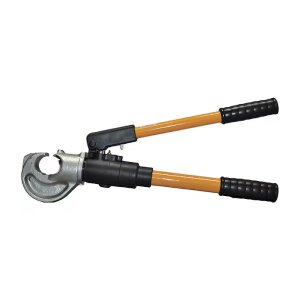 | 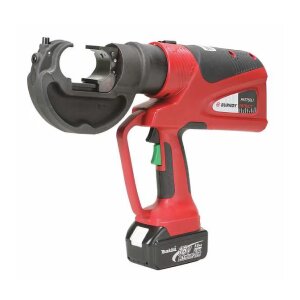 | |
| Typical Usage | Low-volume, occasional use | High-volume, industrial use | Medium- to high-volume professional use |
| Speed | Slow | Fast | Very Fast |
| Effort Required | High (requires manual force) | Low (hydraulic force does the work) | Very Low (battery-powered mechanism) |
| Precision & Consistency | Moderate (depends on user technique) | High (consistent pressure) | Very High (precise pressure control) |
| Portability | High (lightweight and portable) | Moderate (bulkier, less portable) | Moderate to High (cordless, some bulk) |
| Ideal Workload | Light-duty tasks | Heavy-duty tasks | Daily professional use |
| Maintenance Requirements | Low (regular cleaning and calibration) | Medium (requires hydraulic fluid checks and calibration) | Medium (battery maintenance & periodic calibration) |
Key Factors to Consider
When it comes to choosing a crimper, experienced professionals need to consider more than just compatibility. Here’s what really counts:
Workload & Frequency
If crimping is just a minor part of your job, a manual crimper will do the trick. However, if you’re crimping daily in a professional setting, switching to hydraulic crimping or a battery-powered crimper can greatly reduce fatigue and boost efficiency.
Precision & Consistency
Sectors like aerospace, telecommunications, and automotive demand highly consistent crimps. Battery-powered crimping tools with automatic pressure control help meet strict industry standards for crimp connections.
Crimp Profile & Industry Standards
Various crimp profiles (hex, indent, oval) are designed for specific applications. Choosing the right professional crimping tool is essential if you’re dealing with UL-listed connections or MIL-spec crimps. Ensure that the crimping dies you use align with industry standards to maintain quality and compliance.
Connector Compatibility
Whether you’re working with insulated, non-insulated, or open-barrel terminations or ferrules, make sure your crimper is suited for your specific terminal type. Versatile crimping tools with interchangeable die sets provide greater flexibility when working with different crimp connectors and types of terminals.
Wire Size & Die Set Selection
Choosing the right die set for your wire size is crucial for achieving optimal crimp terminations. Using the correct combination of wire size and crimping dies ensures a secure connection and prevents electrical failures.
Ergonomics & Comfort
A well-balanced, ergonomic design can reduce strain and enhance workflow, especially if you’re crimping wires for extended periods. Battery-powered crimpers also help alleviate fatigue from repetitive motions.
Technology & Automation
Innovative crimping technology is transforming the industry with digital feedback systems that track crimp pressure and quality. Investing in automated crimping tools can help ensure compliance and reduce errors in high-precision tasks.
Pro Tips to Optimize Your Crimping Process
Regular Calibration & Maintenance: If a crimper is not properly calibrated, it can lead to weak or failed connections. Make sure to schedule regular tool calibration to ensure accuracy.
Avoid Over-Crimping: Applying too much pressure can harm terminals and affect electrical conductivity. Using a ratcheting crimper with adjustable force can help avoid this issue.
Choose Manufacturer-Approved Dies: Using generic or off-brand dies may lead to improper crimps and could even void warranties. It's best to use accessories recommended by the manufacturer for optimal results.
Should You Upgrade Your Crimping Tool?
If you're still relying on a manual crimper but find yourself crimping wires daily, it’s time to consider an upgrade. Battery-powered crimpers enhance speed and precision, while hydraulic crimpers offer industrial-strength performance. Investing in the right tool for your industry will not only improve your workflow but also ensure stronger, longer-lasting connections in every crimp.
Need Help Choosing the Right Crimping Tool?
Check out our selection of top-rated professional crimping tools designed for durability, efficiency, and precision. Upgrade today and take your crimping to the next level!
Product Compliance and Suitability
The statements contained in this guide are intended for general informational purposes only. Such statements do not constitute a product recommendation or representation as to the appropriateness, accuracy, completeness, correctness, or currentness of the information provided. Information provided in this guide does not replace the use by you of any manufacturer instructions, technical product manual, or other professional resource or adviser available to you. Always read, understand, and follow all manufacturer instructions. Portions of this article were generated in part by ChatGPT, and edited by a member of the Zoro team.
