


Choosing the Right Drill for Your Business: Pneumatic vs. Electric Drills
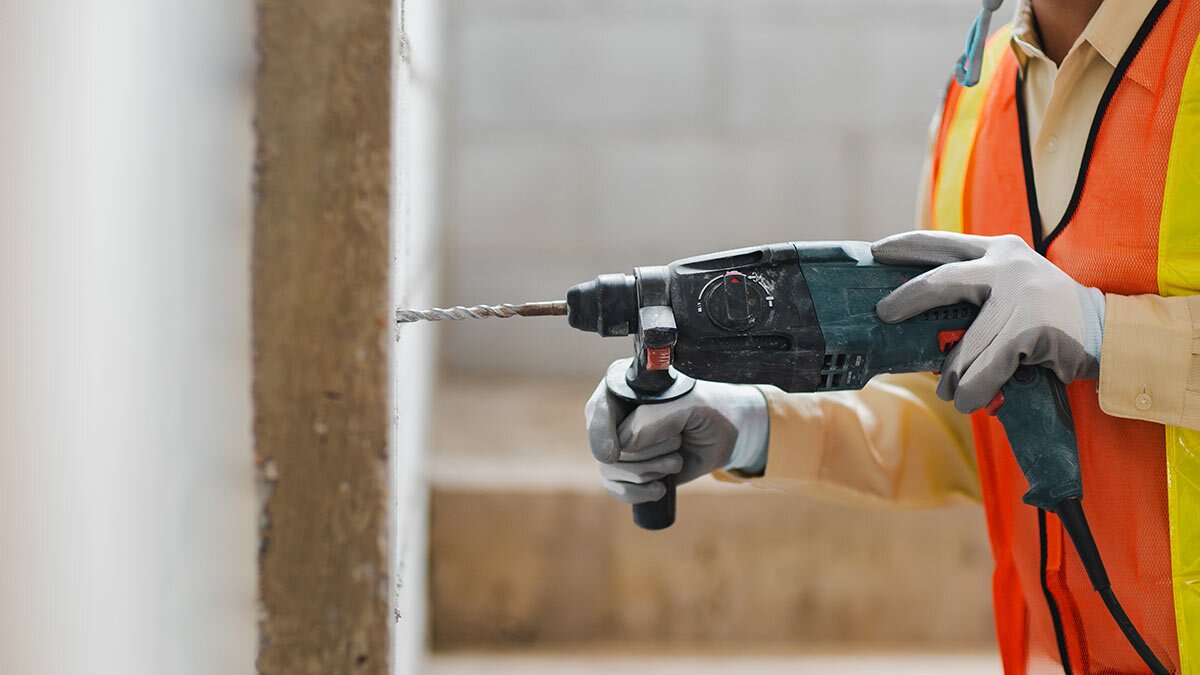
If you run a small workshop, repair shop, or service business, choosing between pneumatic and electric tools is about money, speed, maintenance, and reliability. In this guide, we compare pneumatic vs. electric drills, helping you evaluate key differences based on power output, maintenance requirements, and mobility considerations.
What Are Pneumatic Drills?
Pneumatic drills, or air drills, are powered by compressed air supplied from an external air compressor. They’re known for high torque output and continuous performance, making them a favorite in high-volume or industrial settings.
Common uses:
Manufacturing and assembly lines
Automotive repair and bodywork
What Are Electric Drills?
Electric drills use either a corded power source or rechargeable batteries. They’re designed for mobility, precision, and ease of use, especially in field or installation work.
Common uses:
Construction and facility maintenance
Carpentry and cabinetry
On-site installations
Pneumatic vs Electric Drill Comparison
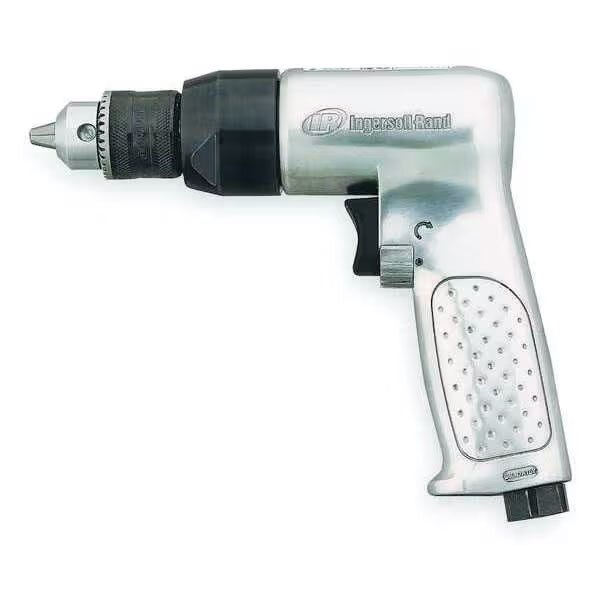 | 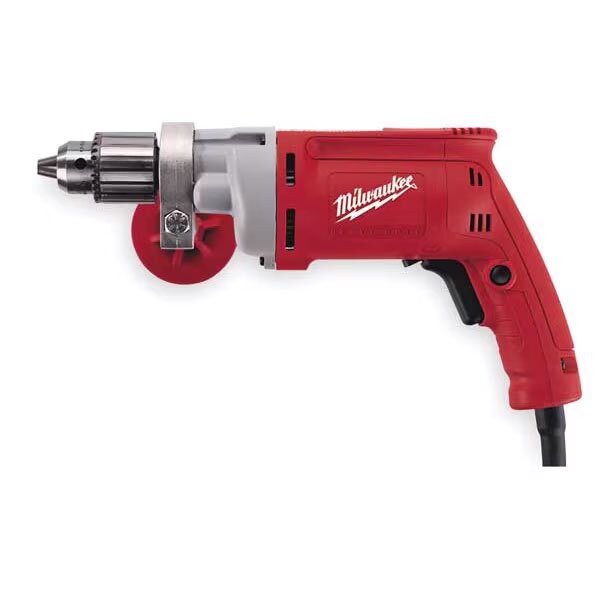 | |
| Power and Torque | Provides high torque output and can operate continuously when connected to an air compressor. | Delivers consistent power, with torque levels dependent on motor type and power source. |
| Durability and Maintenance | Features fewer moving parts, which may reduce internal wear, but requires regular air compressor maintenance for optimal performance. | Requires motor upkeep and battery replacements, particularly in high-use environments. Cooling mechanisms help prevent overheating during extended use. |
| Portability and Mobility | Requires an air supply, which may limit mobility but allows for continuous operation without battery recharges. | Offers greater mobility, especially in cordless models. |
| Precision and Control | Used in industrial applications where speed, power, and durability are primary considerations. | Often preferred for precision-focused applications, such as carpentry, cabinetry, and installations where controlled drilling is required. |
Cost & Maintenance
Upfront cost: Pneumatic tools require an air compressor and accessories, while cordless electric tools may come with higher tool prices.
Operating cost: Air leaks, compressor energy draw, and battery degradation all affect long-term expenses.
Maintenance: Pneumatic systems need moisture control and filter changes; electric tools require motor checks and battery replacements every few years.
Which Drill Makes Sense for Your Business?
Pneumatic drills are ideal if you already use compressed air systems or perform high-volume, continuous work.
Electric drills suit teams needing flexibility and portability for diverse job sites.
Many small businesses use a hybrid setup—air tools for production, electric tools for field tasks.
FAQs
Are pneumatic tools better than electric for heavy-duty use?
Typically, yes. Pneumatic tools excel in continuous, high-power applications.
Which tools use air energy?
Air-powered tools include impact wrenches, sanders, grinders, and spray guns.
Are air tools more cost-effective?
Over time, yes—once your air system is established. However, maintenance and energy use can offset some savings.
Which Drill Is Best for Your Business?
The choice between pneumatic and electric drills depends on your operations, infrastructure, and workload. At Zoro, we offer both pneumatic and electric drills, plus the compressors, batteries, and accessories to keep your tools performing efficiently. Explore our full selection to support your business today.
