


Choosing the Right Thread Sealant
Get the right seal! Check out our guide to choosing the correct thread sealant for your business.
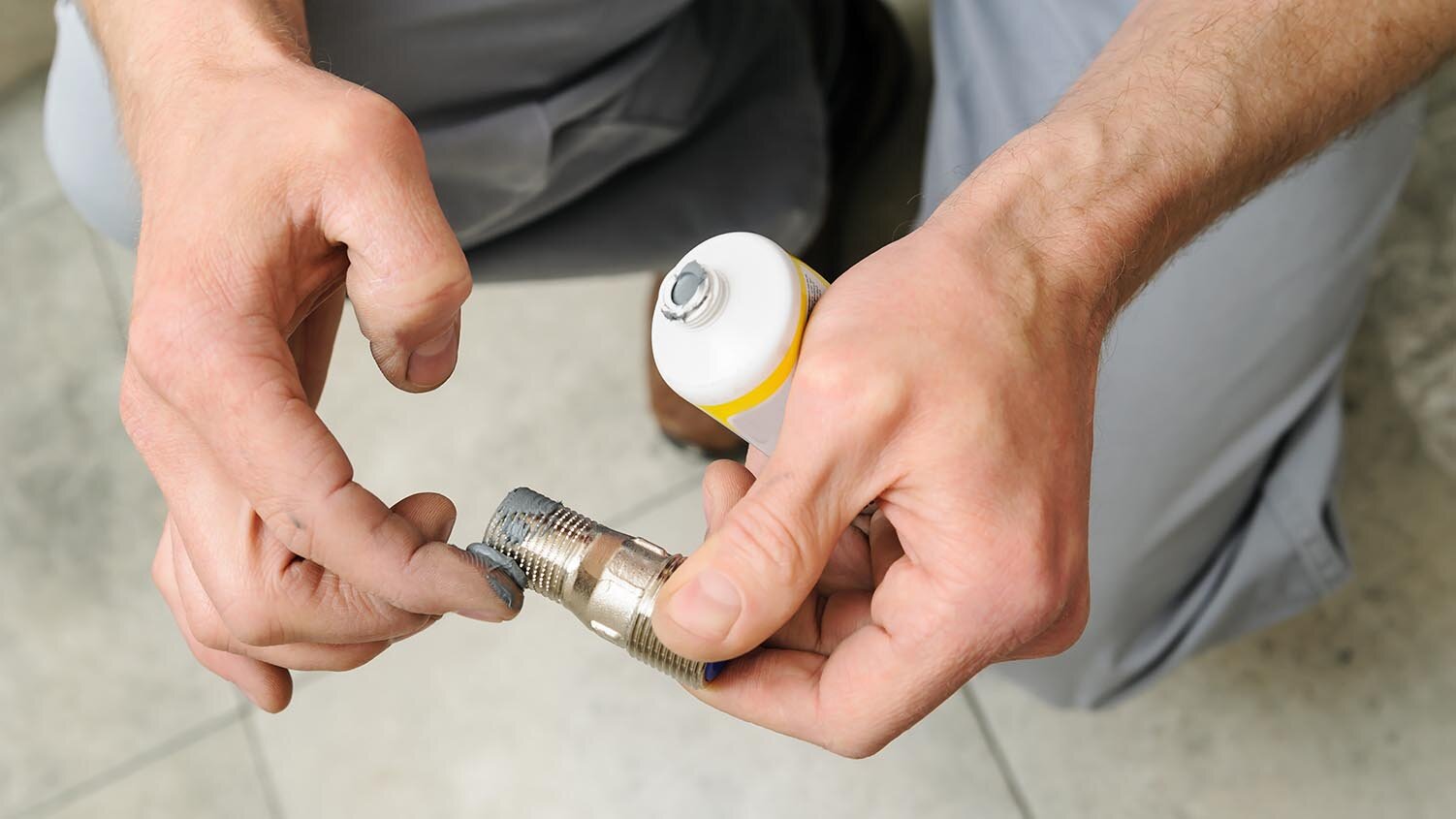
While it's possible to get a nice tight fit when you seal threaded connections together such as nuts to bolts or threaded rod or with plumbing and gas connections, the reality is that threads don't always align as tightly and hold together as well as you might think. It's for this reason that using a thread sealant to ensure a tight fit in your critical connections is a good idea.
When there is either high or low pressure, excessive vibration, changing pressure, or changing temperatures in your environment, threaded connections can loosen over time. Thread or pipe sealants are designed to fill the gaps and spaces in threaded connections to keep them from loosening. In addition to bonding threaded connections tightly, they're also excellent for providing liquid- or gas-tight connections as some sealants have been approved for use in potable water and gas applications.
Using thread sealants is easy and they can be applied and used on any size pipe fitting. Where thread sealants make contact between the male and female threads, the mated threads are protected against corrosion, making disassembly much easier than if the connection was corroded. These seals are also protected from excessive shock loads due to the bonding strength of thread sealants.
There are three basic thread sealants commonly used: Teflon tape, pipe dope, and anaerobic sealants or threadlockers. Here's a look at each.
Teflon Tape
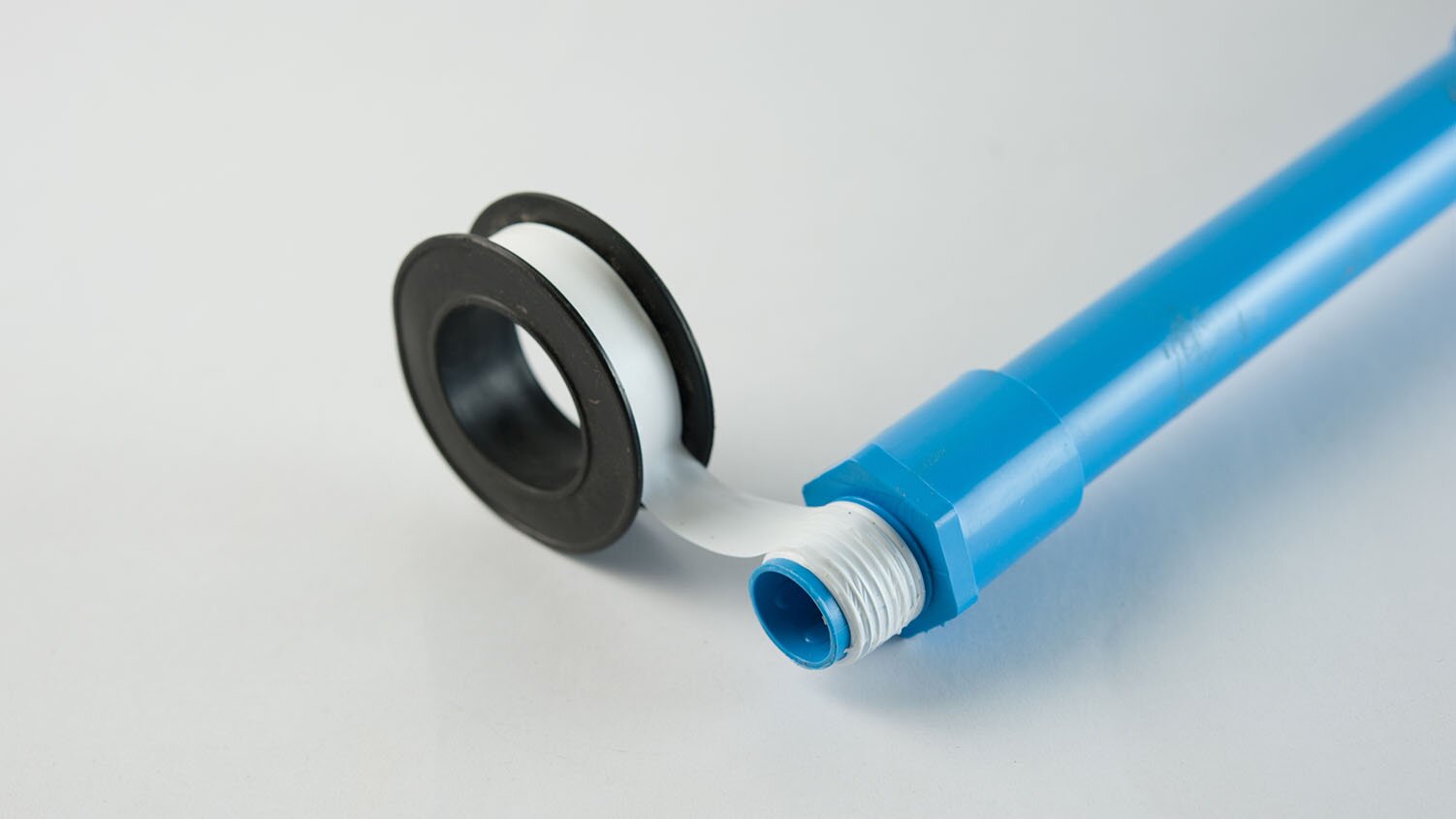
This is a white, nonsticking tape that comes in an easy-to-use roll. It actually serves as a lubricant when threaded parts are being assembled since the inherent slipperiness of it makes threading two pieces together easier. And it's not really tape, per se, as it doesn't have an adhesive on it. When using a tape sealant, the threads are wrapped in the direction of the female threads. It's wrapped tightly around the threads 3 to 4 times and then simply ripped and pressure is applied for it to seat in between the threads. When mated with male threads, the tape basically "clogs" the thread path to create the seal.
Lightweight, easy to carry and store, and with an indefinite shelf life, tape sealant can be applied quickly and without any mess. It provides good lubrication to make assembling threaded components easy and effective without causing any damage to threads. Unfortunately, the tape is very thin and tears easily as pipes are assembled or during tightening. Since it doesn't have adhesive and doesn't adhere to threads, it doesn't provide a completely secure seal. If it does tear during assembly, there's also the chance that small pieces of the tape can enter into the fluid system leading to clogged filters, screens or valves. If there's a need to make an adjustment to the pipe system, leaks can occur if the tape is dislodged in any way. To remove sealant tape, simply unwind from the female threads.
Mostly used in plumbing, it provides adequate performance for assembling standard water pipes and fittings. Since it provides no vibration resistance, a tape sealant isn't recommended for high-pressure assemblies.
Pipe Dope
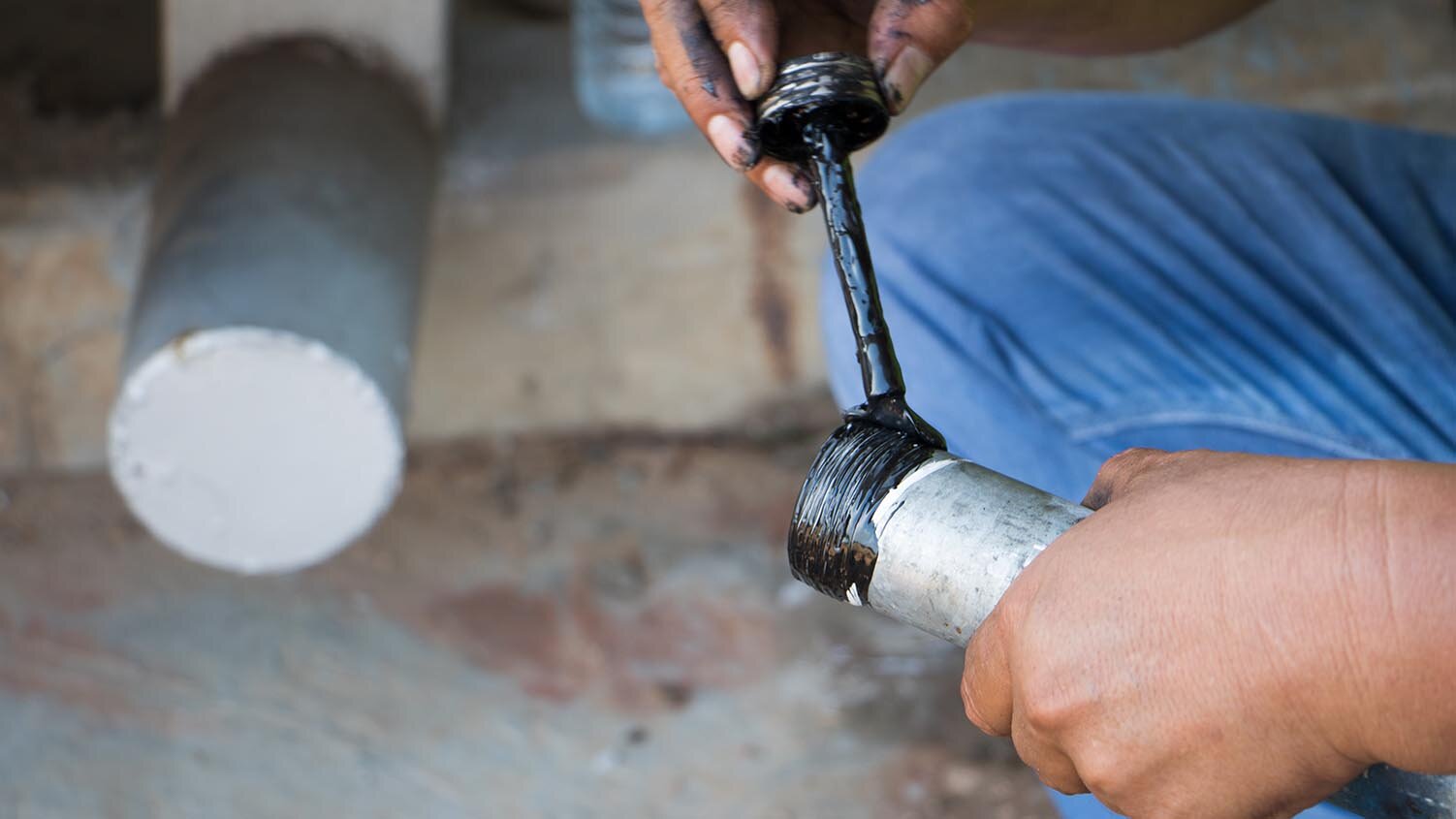
Pipe dope adheres to all metal and plastic pipes and is highly effective at blocking leaks. It is easy to apply by simply brushing it on to threads; it utilizes a solvent carrier during application and hardens when the solvent evaporates. Since it does contain solvents, it can shrink over time as the solvent dissipates, which could lead to the dope pulling away from thread walls or cracking. If this happens, the potential for leaks is greater. Economical and relatively easy to use, the chemical composition of pipe dope is compatible with all pipe and hardens quickly to create a moderately strong seal. As a result of heat-aging, pipe dope (being solvent-based) can lose its effectiveness. If piping systems are subjected to excessive vibration, the potential for aged pipe dope to crack due to shrinkage is enhanced, which can lead to leaks. In systems where the pipes are not subjected to high heat or high pressure, pipe dopes offer an adequate seal. Since they do harden quickly, they're ideal for use in applications where there's minimal adjustment to system assemblies and components shortly after installation.
If pipe system components that used pipe dope need to be disassembled, you can remove the old stuff with a stiff wire brush. But don't worry too much if it doesn't completely come off as a new application of pipe dope will fill in the tiny voids when reassembled.
Anaerobic Sealants (Threadlockers)
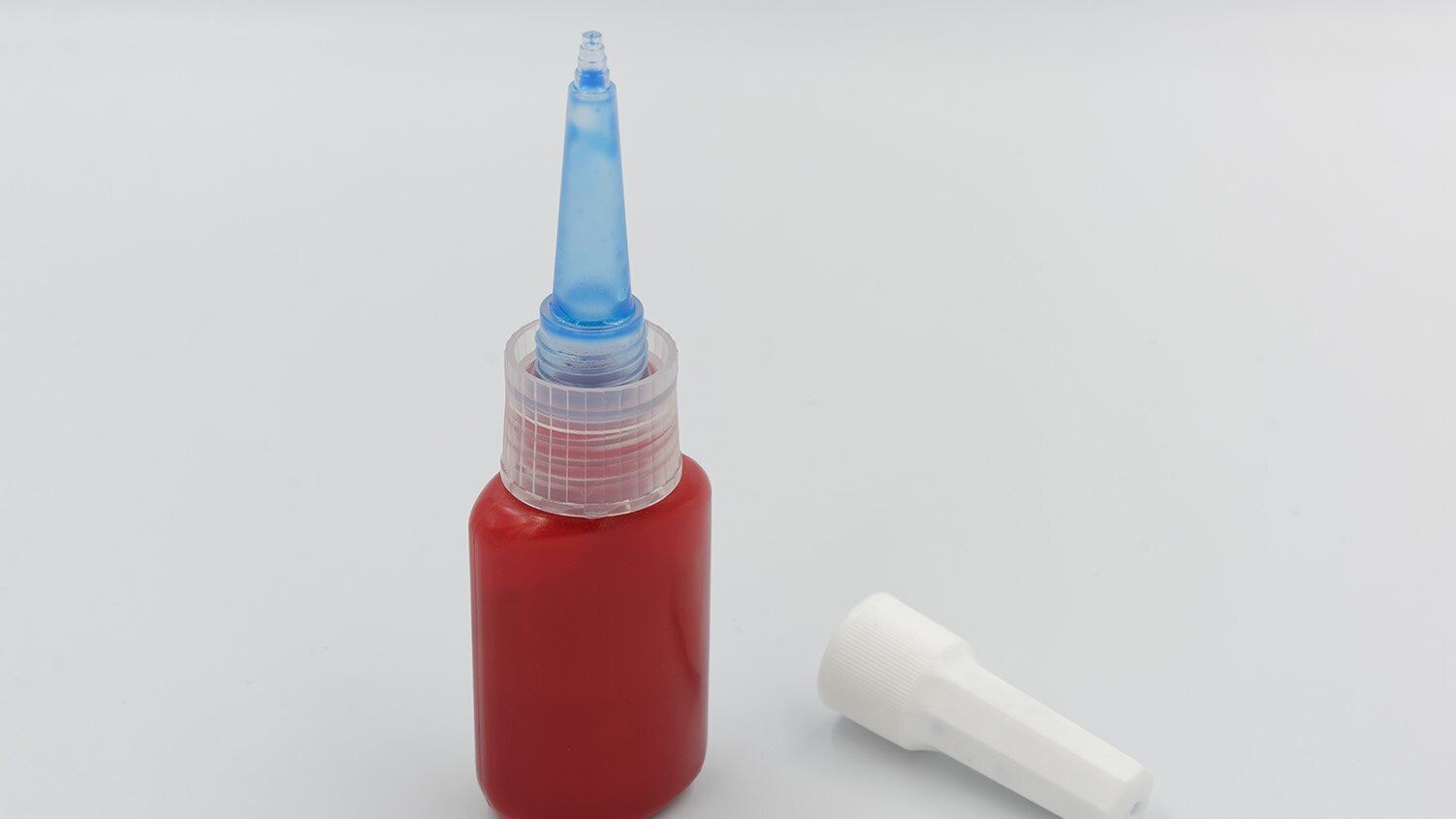
These sealants provide the longest-lasting, strongest seal possible, contain no solvents, and cure in the absence of air and in the presence of active metals between mated threads. The cure of anaerobic sealants, or threadlockers, is slower allowing for additional time for pipe system assemblies to be adjusted if necessary with no damage to the threads. Once cured, however, the seal is highly resistant to vibration, temperatures, solvents, and pressure. Unlike some sealants that can make disassembling system components difficult, connections made with threadlockers can be undone with basic hand tools.
Threadlockers often contain Teflon or similar compounds that help make assembling components smooth and easy, while lessening the chance of damaging threads. With their chemical makeup, the compatibility of threadlockers for use on plastic pipe and fittings needs to be verified before using them together. While they're ideal for use in high-pressure and high-vibration applications, it's best to let the sealants cure a full 24 hours before subjecting them to such environments. However, they can withstand pressures up to 10,000 psi, temperatures up to 300OF, and extreme vibrations.
When you choose the right thread sealant for your application, you'll be sure to get that nice, secure fit that will provide peace of mind that the job was done right.
Product Compliance and Suitability
The product statements contained in this guide are intended for general informational purposes only. Such product statements do not constitute a product recommendation or representation as to the appropriateness, accuracy, completeness, correctness or currentness of the information provided. Information provided in this guide does not replace the use by you of any manufacturer instructions, technical product manual, or other professional resource or adviser available to you. Always read, understand and follow all manufacturer instructions.
