


Circuit Breakers Uncovered: What Are Circuit Breakers and How Do They Work?
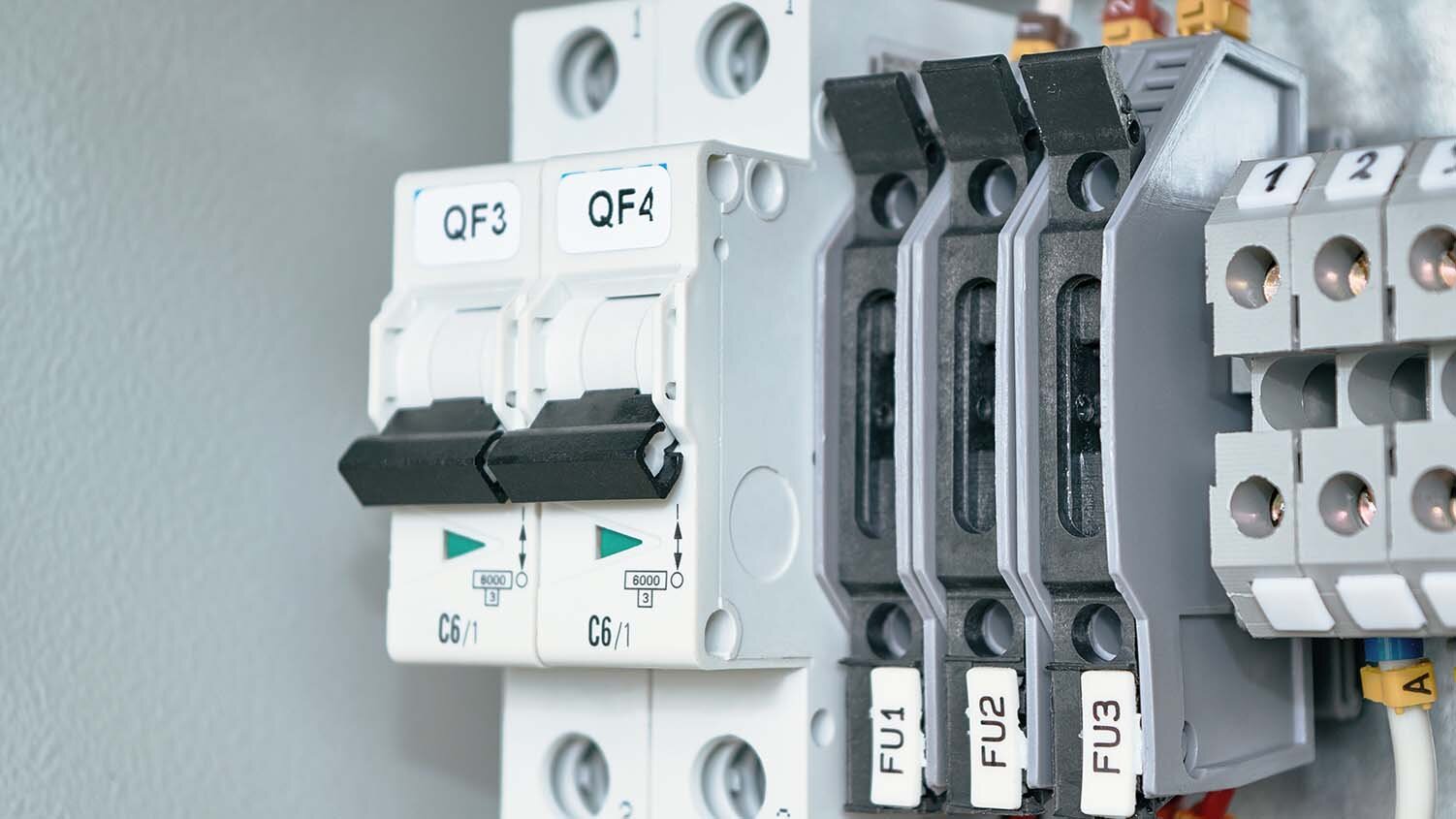
Why Circuit Breakers Matter on the Job
Whether you’re managing a jobsite or a maintenance crew, electrical safety is a priority. A single fault can lead to equipment damage, downtime, or worse. That’s why circuit breakers play such a vital role in keeping your systems and your people safe.
This guide breaks down what a circuit breaker is, how it works, and the types you’re likely to come across in commercial or industrial environments. We'll also touch on the differences between circuit breakers and fuses, so you can make the call that fits your operation.
What Is a Breaker?
A circuit breaker—often called a breaker switch—is an automatic safety device designed to stop the flow of electricity when something goes wrong. If a circuit is overloaded or shorted, the breaker trips, preventing overheating, fires, or damage to equipment.
So, what is a breaker, exactly? It’s a reusable safety mechanism. Unlike fuses that must be replaced once blown, a resettable circuit breaker can be flipped back on once the issue is fixed. It's a reliable part of any system with heavy or variable electrical loads.
How Does a Circuit Breaker Work?
Understanding how circuit breakers work helps you troubleshoot issues and maintain safer systems. Here’s how a circuit breaker mechanism typically functions.
- Normal Operation: Power flows through the breaker’s contacts to the load (such as machinery or lighting).
- Fault Detected: When the current exceeds a preset threshold, the breaker’s trip mechanism is triggered.
- Power Interrupted: The contacts open to stop the flow of electricity and prevent damage.
- Manual or Automatic Reset: Once the issue is addressed, the breaker can be reset.
Knowing how circuit breakers work helps maintenance teams to act fast during unexpected electrical events.
Types of Circuit Breakers
Choosing the right type of circuit breaker depends on your load requirements, environment, and the level of protection you need. In industrial and commercial settings, you’ll likely encounter these types.
| Voltage Level | Typical Use Case | Common Types | Application Scenarios |
| Low Voltage (Below 1,000V) | Buildings, small equipment, commercial outlets | Miniature Circuit Breakers (MCBs) – for lights and outlets Molded Case Circuit Breakers (MCCBs) – for motors and larger loads | Ideal for residential, commercial, and light industrial setups like office buildings or retail shops. |
| Medium Voltage (1,000–72,500V) | Factories, utility rooms, large industrial systems | Vacuum Circuit Breakers – used in industrial plants Air Circuit Breakers – great for switchgear and panels | Used in manufacturing plants, utilities, and heavy-duty equipment environments. |
| High Voltage (Above 72,500V) | Power grids, substations, long-distance transmission | Gas Circuit Breakers (SF₆) – high-power insulation Oil Circuit Breakers – legacy systems with high interrupt capacity | Best suited for power transmission networks and infrastructure that require very high voltage handling. |
Each type of circuit breaker serves a specific purpose; some protect people, others protect property or specific pieces of equipment.
Circuit Breaker vs. Fuse: What's the Difference?
Both circuit breakers and fuses are built to stop electricity in the event of a fault, but they don’t function the same way.
- Fuses melt when overloaded and must be replaced.
- Circuit breakers trip and can be reset, offering reusable protection.
If reducing downtime is a top priority, circuit breakers are often the go-to solution. However, fuses may still be suitable for low-risk or cost-sensitive setups. Understanding the distinction between circuit breakers and fuses helps you match the right protective device to the job.
Tip: Be sure to learn more about fuses for additional guidance.
Do Circuit Breakers Have Batteries?
In most cases, circuit breakers do not have batteries. They rely on the mechanical energy stored in springs and electromagnetic triggers. However, some smart or remote-controlled breakers may include battery-powered electronics for monitoring or wireless communication.
If your facility uses smart circuit breakers, be sure to include battery checks in your preventive maintenance plan.
Final Word
From wiring new machines to troubleshooting a trip, understanding how circuit breakers work and comparing your options is a practical way to stay safe and efficient.
At Zoro, we carry the resettable circuit breakers, breaker switches, and safety gear that keep your team powered up and protected, so your work never skips a beat.
Product Compliance and Suitability
The statements contained in this guide are intended for general informational purposes only. Such statements do not constitute a product recommendation or representation as to the appropriateness, accuracy, completeness, correctness, or currentness of the information provided. Information provided in this guide does not replace the use by you of any manufacturer instructions, technical product manual, or other professional resource or adviser available to you. Always read, understand, and follow all manufacturer instructions. Portions of this article were generated in part by ChatGPT, and edited by a member of the Zoro team.
