


Cloth Mask, Surgical Mask, or Respirator: Which Is Best to Mitigate the Spread of COVID-19?
3/7/22 - Zoro Staff
After more than two years into the COVID-19 pandemic and several waves of variants surging and waning, face masks have become an everyday part of our lives. If you are still uncertain about which types of masks are best for you and your employees, you’re not alone. We unpack the latest recommendations here.
It’s almost hard to imagine a time when we didn’t wear face masks in certain public situations. Two years into the pandemic, it’s a mainstay in the items we don’t leave home without—keys, credit card, and mask, right? Probably hand sanitizer, too.
Even though we’ve been at this for a while, it doesn’t hurt to brush up on our mask IQ. With an endless array of new options to choose from, deciding which type of face mask is best for you can still be a challenge. And with ever-changing recommendations, it’s important to ensure the masks we’re wearing are still considered effective by the Centers for Disease Control and Prevention (CDC) and other organizations.
Let’s take a look at the differences between cloth masks, surgical masks, KN95 and KF94 respirators, masks that meet ASTM standards (new!), and N95 respirators. We’ll go in ascending order from the least effective to the most effective masks and respirators—reusable cloth masks, surgical masks, masks that meet ASTM standards, KF94 and KN95 respirators, and N95 respirators. Keep in mind some masks that meet ASTM standards may be more effective than KF94 and KN95 respirators if the KF94 and KN95 respirators don’t meet their filtration claims (more on that later).
Reusable Cloth Face Masks
(Least effective)
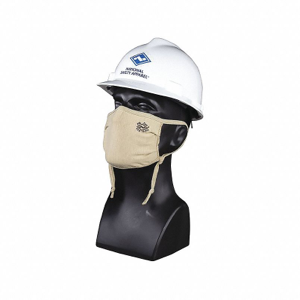
Whether homemade or purchased from a retailer, cloth masks are just as the name implies—a face mask made of fabric that covers the mouth, chin, and nose with ear loops or ties that secure the mask from behind the ears or head.
The CDC previously advised the general public to choose a cloth face mask over N95 respirators because N95 respirator masks were in short supply and should be reserved for healthcare professionals and first responders. This is no longer the case. As of the latest guidelines published in January 2022, the CDC recommends that the general public wear the best-fitting, most comfortable, protective mask they can find that they’ll wear consistently.
Although cloth masks are the least effective at containing respiratory droplets when compared to other types of masks or respirators, the CDC recommends choosing a cloth face mask that is made of multiple layers of washable, breathable fabric to serve as a physical barrier. The higher the thread count of the material, the better the protection. To determine if your cloth mask will perform effectively, hold it up to the light. If you can easily distinguish the individual fibers, look for a mask with a tighter weave. The CDC also recommends choosing a mask that has an embedded nose wire, or nose clip, that can conform to your nose for a tight seal.
Evidence has shown that wearing a mask over the mouth and nose not only protects people from you, but it helps protect you as well. Multi-layer cloth masks help prevent the emission of large and fine respiratory droplets from sneezing, coughing, singing, or speaking as well as the inhalation of potentially virus-laden particles.
Vented Face Masks, Face Shields, and Difficult-to-Breathe-Through Fabric Masks
(Not recommended by the CDC)
The CDC advises against wearing vented face masks. The vent allows respiratory droplets to easily escape through the vent and can therefore spread the virus. This is especially important because the virus has been known to transmit through asymptomatic carriers.
The CDC does not recommend wearing a face shield without a face mask underneath. Although they are still investigating the face shield’s efficacy, the CDC cautions that results are inconclusive at this time.
In addition, the CDC advises the public to avoid wearing face masks made from materials that are difficult to breathe through, such as vinyl.
Do not wear poorly fitting cloth face masks that gap at the sides or nose, are wet or dirty, or are made from a single layer of fabric that doesn’t block light.
Surgical Face Masks
(More effective than cloth masks, when worn properly)
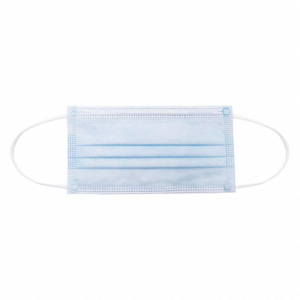
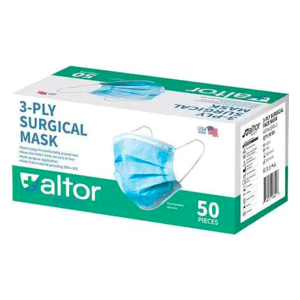
Surgical face masks, or procedure masks, are disposable masks made from multiple layers of non-woven material. Surgical masks are made to form a physical barrier to prevent splash, splatter, spray, and large particle droplets from contacting the wearer’s mouth and nose during medical procedures. Surgical masks may also help block the emission of the wearer’s respiratory droplets.
It’s important to note that surgical masks do not filter out finer respiratory particles from speaking, coughing, and sneezing.
Properly fitting surgical masks should cover your nose, mouth, and chin with no gaps at the sides or nose. Look for a surgical mask with a nose wire to create a face-conforming fit.
Surgical masks are intended to be worn once and discarded. If you notice your mask looks dirty or is difficult to breathe through, remove the mask, and dispose of it properly. Make sure to always wash your hands after handling a used mask.
Surgical N95 respirators are now available for healthcare professionals and should be worn only by those in healthcare.
Masks Made to Meet ASTM Standards and NIOSH Performance Recommendations
(More effective than non-filtering surgical masks)
Some masks are now being manufactured and tested to meet certain standards to ensure they perform consistently. These new standards fall into three categories: Meets American Society for Testing and Materials (ASTM) F3502, Meets Workplace Performance, and Meets Workplace Performance Plus.
NIOSH has developed interim performance guidelines that build upon the ASTM F3502 standards for manufacturers to follow when developing “Meets Workplace Performance” and “Meets Workplace Performance Plus” masks for the workplace. When produced to these new standards, these masks can help reduce the spread of COVID-19. For manufacturers to fully meet the new NIOSH performance criteria, the masks must be designed and perform in accordance with ASTM standards in addition to meeting NIOSH performance recommendations and passing tests for filtration efficiency, breathability, and leakage.
To find out more about which masks meet these new standards, refer to the National Institute for Occupational Safety and Health (NIOSH) PPE Info Page on the CDC’s website.
Consumers can identify masks that meet these new standards by labels on the masks themselves (Meets ASTM F3502, Meets Workplace Performance, or Meets Workplace Performance Plus).
Keep in mind, these masks are not a replacement for NIOSH-approved respirators for jobs where respiratory protection is needed. Always wear your mask in accordance with the manufacturer’s instructions.
KN95 and KF94 Respirators
(More effective than ASTM masks if they meet filtration claims)
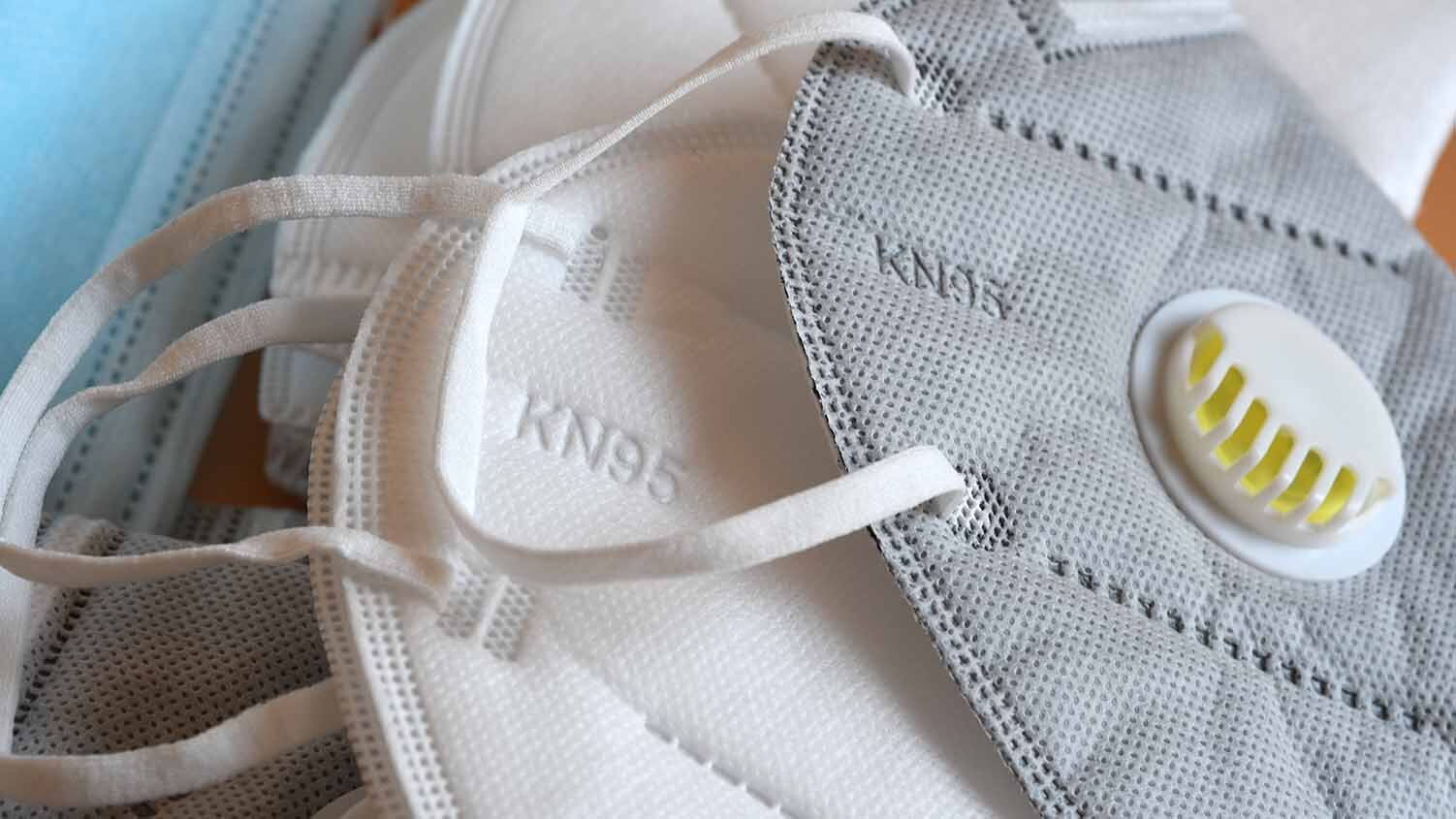
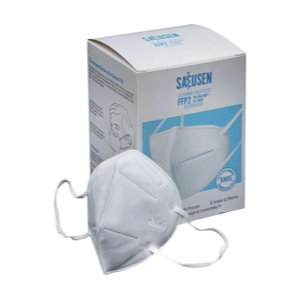
International respirators, such as KN95 or KF94 respirators, are made to meet international standards. These respirators are not approved by NIOSH, can be made from inferior materials, and often don’t have to meet a quality standard. NIOSH determined approximately 60% of KN95 respirators tested during 2020 and 2021 did not meet the intended criteria.
Aaron Collins, a mechanical engineer with a specialty in aerosols science, has tested hundreds of masks and respirators during the coronavirus pandemic, including KF94 respirators that are regulated by the South Korean government. Collins reports, "Every [KF94] I've tested so far has been extremely high performing."
KN95 respirators are made to the Chinese standard and are not heavily regulated by the Chinese government, according to Collins. There are some highly effective KN95 masks on the market but, as stated earlier, many can be low-quality or even fake. To see Collins’ mask testing results, access his spreadsheet here. Check out the "Filtration Efficiency" (column K) data to find high-performing styles and brands.
To ensure your respirator lives up to its claims, source a NIOSH-approved respiratory mask, such as an N95 respirator.
N95 Respirators
(Most effective in this comparison)
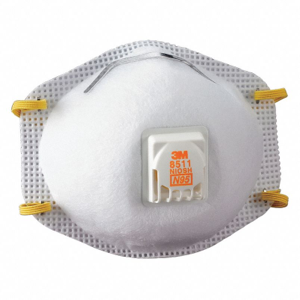
N95 respirators not only create a physical barrier, like cloth and surgical masks, but they also filter at least 95% of small airborne particulates when worn correctly. N95 masks should form a tight seal around your mouth, chin, and nose. Disposable N95 respirators are made of multiple layers of polypropylene fabric and trap incoming and outgoing particles by way of static electricity.
N95 respiratory filters can also be attached to reusable respirators. Whether you’re using a disposable N95 mask or reusable facepiece with N95 filters, always inspect your mask/filter for dirt or signs of wear before putting it on. If the mask or filter is difficult to breathe through, gets wet, is misshapen, or is dirty, safely dispose of the disposable mask or filter and replace it. Always refer to the manufacturer’s instructions before use.
N95 respirators are tested and certified by NIOSH to ensure the respirator filters at least 95% of potentially harmful airborne particulates when worn properly. Since the COVID-19 pandemic, the market has been flooded with counterfeit N95 respirators that are not NIOSH-approved. Check out the CDC guidelines to learn how to spot the fakes.
Access a list of all the NIOSH-approved respirators that perform as well or better than an N95 respirator mask here. If you’d like to get a free N95 respirator, check out the CDC’s list of participating pharmacies near you.
N95 respirators may look different from the KN95 or KF94 respirators you may be used to wearing. They generally come with two head straps as opposed to two ear loops. To properly put on your respirator, first wash your hands. Hold the respirator in your hand with the nose wire at the top (by the tips of your fingers). Place the respirator under your chin and pull the top strap to the crown of your head and the bottom strap to the base of your neck, below your ears. Make sure both straps are laying flat. Press down on the nose clip to conform the respirator to your nose. Make sure you have a tight seal all around the respirator with no gaps.
Find the Right Mask for Your Needs
| N95 Respirator | Surgical Mask | KF94 and KN95 Respirators | ASTM Masks | Reusable Cloth Face Mask |
 |  |  |  |  |
|
|
|
|
|
|
|
|
|
|
Protect Yourself and Others
Zoro offers an extensive selection of industrial, manufacturing, healthcare, and everyday respiratory protection solutions to help prevent exposure to and transmission of COVID-19.
Related Articles
- Top COVID-19 Supplies and Products Every Industry Should Be Using
- Microfiber, Cotton, and Disposable Towels
- Cleaning Supplies Checklist
Product Compliance and Suitability
The product statements contained in this guide are intended for general informational purposes only. Such product statements do not constitute a product recommendation or representation as to the appropriateness, accuracy, completeness, correctness, or currentness of the information provided. Information provided in this guide does not replace the use by you of any manufacturer instructions, technical product manual, or other professional resource or adviser available to you. Always read, understand, and follow all manufacturer instructions.
