


CNC Machine Safety: Your Guide for Small Business Owners
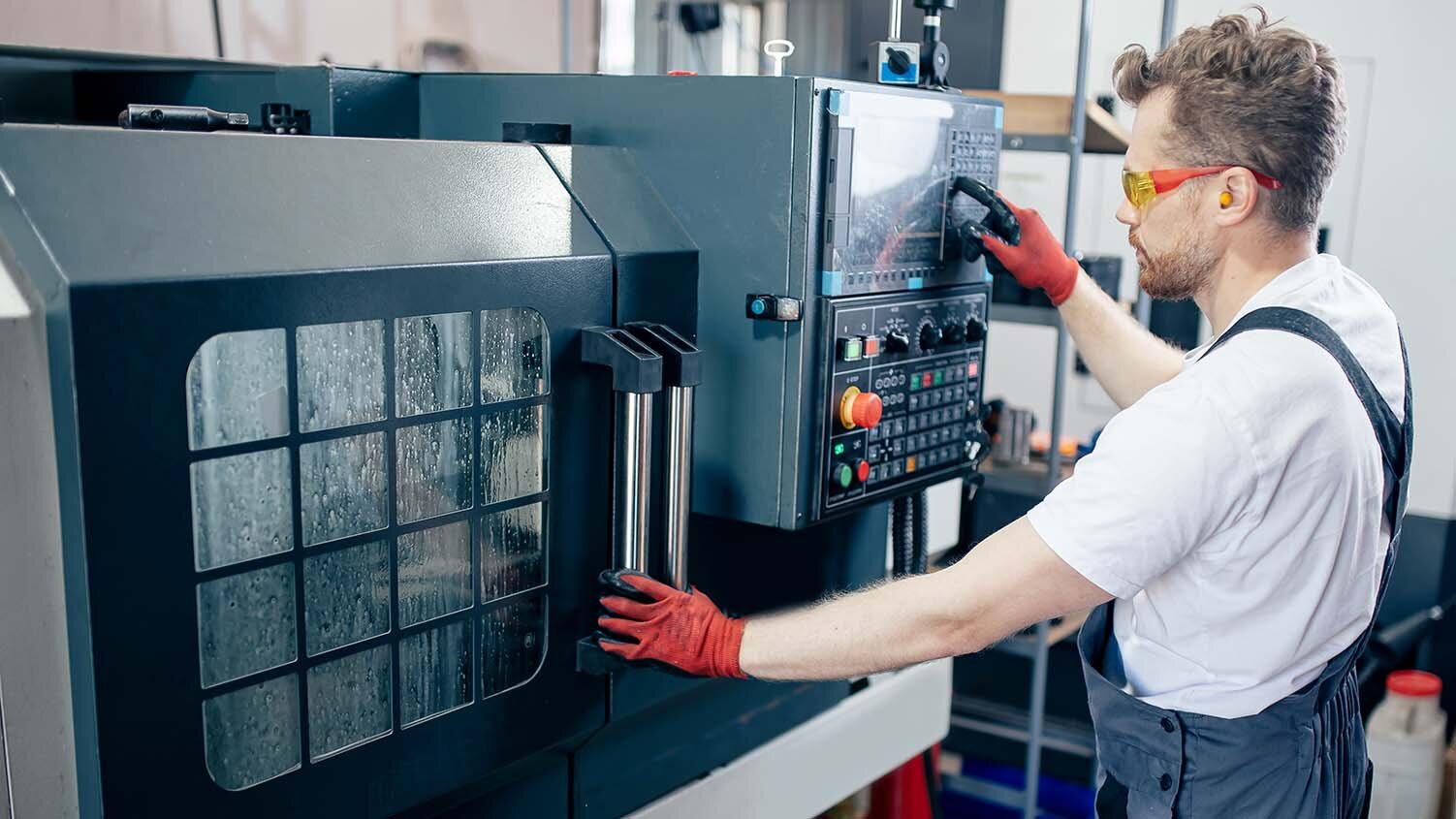
Running a small shop with CNC equipment? You've got a lot on your plate: precision work, tight timelines, and keeping your crew safe. CNC machine safety isn’t just a line item on a checklist; it’s part of how you lead. This guide walks you through essential CNC machine safety rules, features, and best practices so you can meet health and safety regulations for CNC machines and protect your people, equipment, and productivity.
Why CNC Machine Safety Matters
CNC machines deliver repeatable accuracy and consistent results. But with high-speed tooling, automated movement, and built-in power systems, they also come with risk. Building safety into your daily operation helps avoid injuries, keeps downtime to a minimum, and supports a work culture that values care and professionalism.
Built-In Safety Features of CNC Machines
CNC machines come with features designed to protect operators and reduce exposure to hazards. Here’s a breakdown of the safety elements that support safer operation.
- Containment Shields: These enclosures stop flying chips, cutting fluids, and vapors from escaping, giving operators a protected view of the work.
- Video Monitoring: If fluid buildup blocks the shield, onboard cameras let operators observe the machining process from a safe distance.
- Cooling Fluids: These fluids reduce heat, flush away chips, and lubricate the work to prevent debris buildup and overheating.
- Controller Alarms: Onscreen alerts help catch issues early, like low coolant levels or drive errors, before they become safety concerns.
- Emergency Stop (E-Stop): This clearly marked button halts all movement and spindle rotation. It’s a last-resort option that brings everything to a full stop—fast.
- Slide Hold Button: A more measured pause button, this lets operators stop axis movement without interrupting the program.
- Locking Key Switch: Used to assign access levels like “operate” or “edit,” it helps keep unauthorized changes or setup errors to a minimum.
- Feed Rate & Rapid Override: These manual controls allow operators to slow things down if a program runs too fast or something feels off.
- Automated Chip Conveyors: In high-volume shops, these reduce the need for manual chip clearing, minimizing exposure to hot debris and potential slips.
CNC Machine Safety Checklist for Daily Use
A simple checklist can go a long way in reinforcing smart habits. Here’s a practical set of daily checks to build into your team’s routine.
- Always Wear PPE: Safety glasses, hearing protection, gloves, and full-face shields are your first line of defense and should be non-negotiable.
- Secure Workpieces: Loose parts can become dangerous projectiles. Always clamp and double-check.
- Wear Snug Clothing: Avoid anything that dangles; do not wear loose sleeves, ties, or jewelry.
- Choose Natural Fabrics: Cotton or wool resists melting better than synthetics if exposed to heat or chips.
- Use Steel-Toe Boots: Protect against dropped parts and heavy tools. It’s one of the simplest CNC machine safety precautions that pays off big.
- Remove Accessories: Leave watches, necklaces, and rings off the shop floor.
- Tie Up Long Hair: Long hair should be secured or covered to prevent entanglement.
- Have an Emergency Plan: Make sure your crew knows when—and how—to use the E-Stop. Cover both minor and major incident scenarios.
- Monitor the Process: Unusual sounds or vibration can mean something’s wrong. Stay alert during each cycle.
- Perform Routine Maintenance: Check fluid levels, clean chip conveyors, and inspect for leaks or worn parts. Preventive upkeep supports both performance and compliance.
Safety Practices for CNC Machine Operators
Your operators are at the heart of everything. Providing proper training and empowering safe behaviors makes a real difference. Reinforce these essential safety measures for CNC machine operators.
- Stay outside the work envelope during operation.
- Keep hands away from moving parts, even during dry runs.
- Never bypass interlocks or guards.
- Always follow lockout/tagout (LOTO) procedures before maintenance.
Key CNC Machine Safety Precautions
Some of the most important safety precautions for CNC machines are also the most basic.
- Training: Make sure every operator knows how to run the specific machines they use.
- Signage: Post clear, easy-to-read warnings where they matter.
- Housekeeping: Keep aisles and work areas clean to prevent slips, dropped tools, or blocked access.
- Preventive Maintenance: Service machines regularly to avoid breakdowns and hazards.
Check in with a local safety expert or regulatory agency to ensure you’re covered. When you follow CNC machine safety guidelines, you’re not just checking boxes; you’re supporting a safe, efficient, and professional operation.
Final Thoughts
Safety doesn’t live in a binder. It lives in the decisions you and your team make every day. By weaving CNC machine safety into your workflows, you’re protecting your people, your equipment, and your peace of mind.
Product Compliance and Suitability
The statements contained in this guide are intended for general informational purposes only. Such statements do not constitute a product recommendation or representation as to the appropriateness, accuracy, completeness, correctness, or currentness of the information provided. Information provided in this guide does not replace the use by you of any manufacturer instructions, technical product manual, or other professional resource or adviser available to you. Always read, understand, and follow all manufacturer instructions. Portions of this article were generated in part by ChatGPT, and edited by a member of the Zoro team.
