


Cold Weather Prep: Recognizing Frostbite and Hypothermia at Work
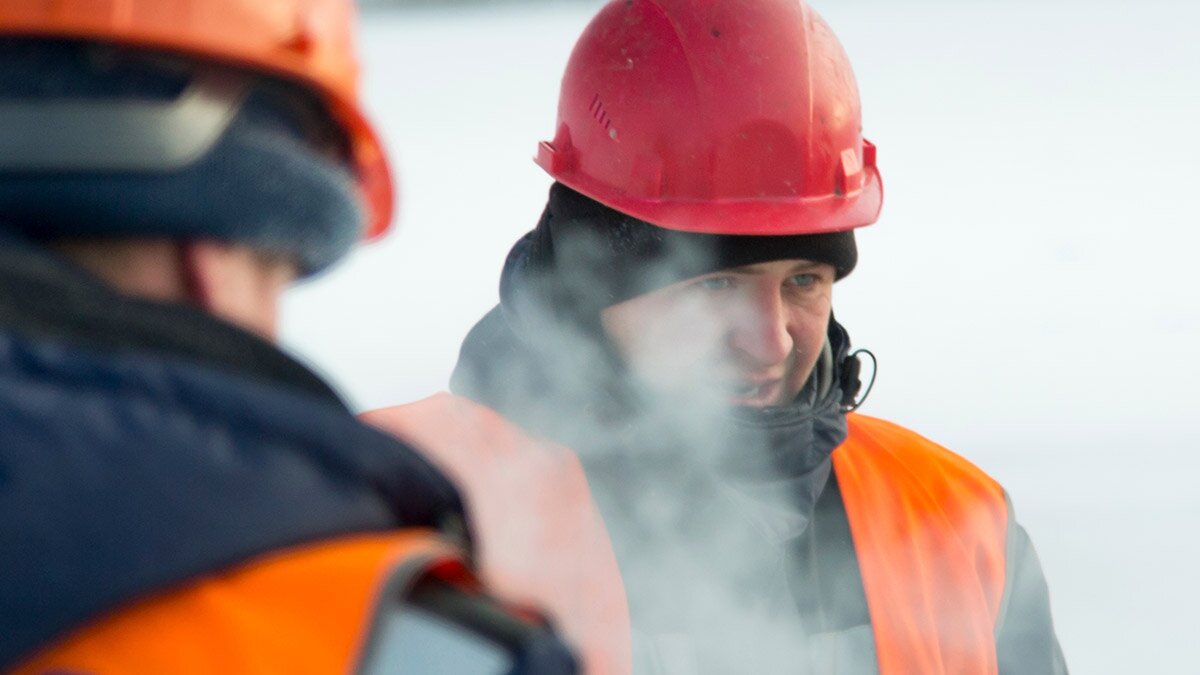
If you work outdoors or in unheated facilities, understanding cold stress in the workplace isn’t just useful, it’s essential. Cold stress happens when the body can no longer maintain its normal temperature. In these conditions, your team is at risk for frostbite, hypothermia, and trench foot. That’s why preparing your workforce for winter isn’t just about layering up; it’s about education, equipment, and awareness.
What Is Cold Stress?
Cold stress occurs when skin temperature drops and the body can’t warm itself, potentially leading to serious health issues. According to OSHA, factors like wind speed, wet clothing, and physical exertion all affect how quickly cold stress can set in. Extended exposure can lead to cold stress conditions such as frostbite and hypothermia. These conditions reduce productivity, increase injury risk, and in severe cases can become medical emergencies.
Understanding Frostbite
Frostbite is the freezing of skin and underlying tissues. It commonly affects fingers, toes, ears, and the nose. Symptoms start with redness and tingling, followed by numbness, pale or waxy skin, and hardening of the area. Severe frostbite can cause permanent damage.
Frostbite Symptoms:
- Cold, prickling feeling in extremities
- Skin discoloration (white, gray, or yellowish)
- Numbness or loss of sensation
- Hard or waxy-looking skin
Understanding Hypothermia
Hypothermia occurs when the body loses heat faster than it can produce it, dropping core temperature below 95°F. This condition can affect motor function, judgment, and coordination, making it especially dangerous on jobsites.
Hypothermia Symptoms:
- Shivering
- Slurred speech or mumbling
- Slow, shallow breathing
- Clumsiness or lack of coordination
- Confusion or memory loss
- Loss of consciousness in severe cases
What to Do If Symptoms Appear
Move the person to a warm, dry place immediately. Remove wet clothing and cover them with blankets. Avoid applying direct heat or massaging frostbitten areas. Seek medical attention promptly, especially if symptoms worsen.
OSHA's Stance on Cold Stress
While OSHA doesn’t mandate specific cold weather rules, it requires employers to provide a workplace free from known hazards. Refer to the OSHA cold weather chart to evaluate risk levels based on temperature, wind speed, and exposure time. Some tips include:
- Scheduling breaks in warm, dry areas
- Providing warming stations and warm liquids
- Training employees on recognizing symptoms
- Rotating tasks to minimize exposure
Cold Stress Prevention
Personal protective equipment (PPE) is a key line of defense. This includes insulated gloves, thermal work boots, moisture-wicking base layers, and face protection. Cold weather work clothes should be worn in layers, with outer garments that repel wind and water. Encourage workers to bring dry clothing to change into if they get wet, as damp layers increase heat loss.
Being prepared for cold conditions isn’t just good planning; it supports worker safety and jobsite efficiency. Recognizing frostbite and hypothermia early ensures that your team can act quickly and effectively to prevent serious health consequences. Cold weather may be seasonal, but safety should be year-round.
Product Compliance and Suitability
The statements contained in this guide are intended for general informational purposes only. Such statements do not constitute a product recommendation or representation as to the appropriateness, accuracy, completeness, correctness, or currentness of the information provided. Information provided in this guide does not replace the use by you of any manufacturer instructions, technical product manual, or other professional resource or adviser available to you. Always read, understand, and follow all manufacturer instructions. Portions of this article were generated in part by ChatGPT, and edited by a member of the Zoro team.
