
Winter PPE for Outdoor Workers: Cold-Weather Safety Gear and Planning Guide
Choose winter PPE to keep outdoor crews warm, visible, and protected.
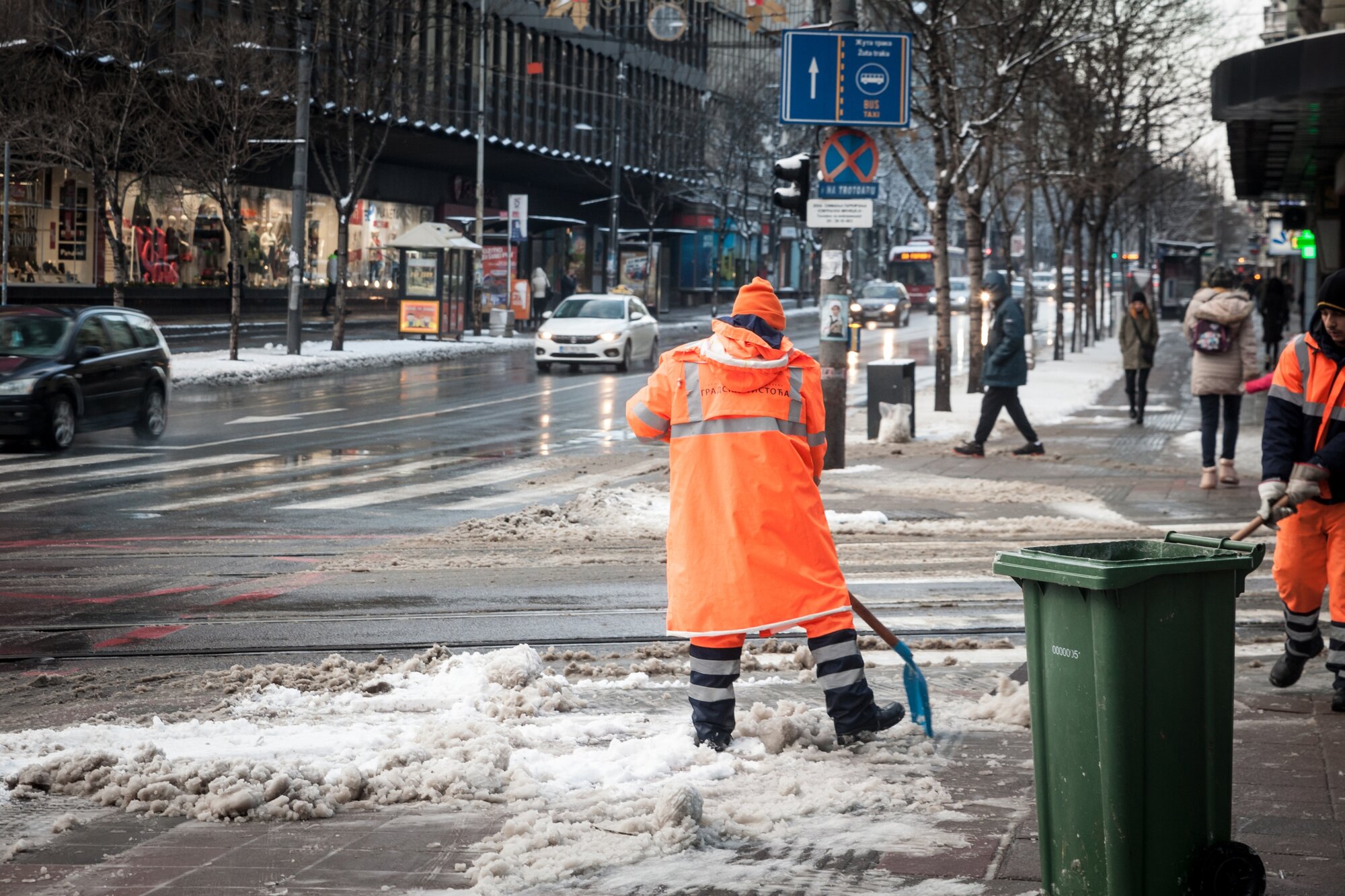
Winter PPE for Outdoor Workers: A Guide to Cold-Weather Safety Gear
Cold hands can make a tool harder to control. Wet boots can leave a worker chilled for the rest of a shift. Add wind, ice, and poor visibility, and routine outdoor maintenance becomes more difficult to perform safely.
Winter PPE should help workers stay warm and dry while preserving the movement, grip, and visibility their jobs demand. This guide covers practical gear choices for outdoor and unheated workplaces, along with the planning needed to support them. OSHA notes that it has no specific cold-environment standard, but employers must address recognized serious cold-stress hazards. Clothing is one part of that response, alongside training, monitoring, and access to warmth. OSHA cold-stress guidance.
Start With a Winter PPE Essentials for Every Shift
Review temperature, wind chill, moisture, and expected exposure before assigning work. Match layers and traction to the task, activity level, and time outdoors; workers moving between a warehouse and loading yard may need different gear than crews inspecting equipment outside for hours. Plan breaks and confirm where workers can reach shelter, warm up, and change wet clothing.
Check that the complete outfit preserves movement and visibility and works with required safety equipment. Gloves should allow safe tool handling, boots should accommodate insulating socks without becoming tight, and outer layers should fit with head, eye, respiratory, and fall protection. Replace wet or damaged items before workers return to exposure, and keep spare clothing accessible as conditions change.
Cold-Weather PPE Checklist
☐ Dry base layers, insulation, and weather-resistant outerwear.
☐ Insulated work gloves.
☐ Insulated boots, dry socks, and traction devices.
☐ Head, ear, and face protection.
☐ High-visibility outerwear.
☐ Spare dry clothing and supplemental warmers.
Considerations for Cold-Weather PPE and Winter Work Gear
Layer for Warmth Without Restricting Movement
Use a moisture-wicking base layer, insulating mid-layer, and outer layer suited to wind and precipitation. Adjust layers to activity level, replace wet clothing promptly, and maintain freedom of movement without loose fabric that could catch in machinery. All layers must remain compatible with required PPE, including flame-resistant or arc-rated protection. NIOSH cold-stress guidance.
Heated work jackets can supplement warmth but do not replace adequate insulation or warm-up breaks. Assess fit, weather resistance, battery runtime, and task suitability. Heated clothing does not automatically provide flame or arc protection; follow the selected garment’s instructions.
Protect Hands From Cold and Lost Dexterity
Choose insulated work gloves that balance warmth, moisture resistance, grip, and dexterity. Check protection ratings against the task’s hazards and verify that workers can safely operate their tools. Insulation alone does not establish cut, chemical, or electrical protection.
Keep dry replacement gloves accessible. Disposable hand warmers can provide supplemental warmth when used according to package instructions. Numb hands are a reason to stop exposure and seek assessment; hand warmers should not be used to treat suspected frostbite.
Improve Footing on Snow and Ice
Select insulated footwear with appropriate moisture and task-specific protection, allowing room for socks without a tight fit. Match ice cleats or traction devices to the boots, surfaces, and frequency of indoor-outdoor transitions. Continue clearing and treating walking routes.
Inspect straps and traction elements for wear, and follow instructions for indoor use, ladders, and driving. Remove or reposition devices when required; outdoor spikes may create hazards on smooth floors. Traction devices do not make icy roofs safe or replace fall protection.
Help Workers Recover Between Shifts
Provide a designated drying area and accessible replacement gear so workers begin each shift with dry boots, gloves, and clothing. Include gear-condition checks in the cold-weather protection plan, and replace items with damaged insulation, waterproofing, or soles.
Boot dryers can support this routine. Match capacity and accessories to the footwear, follow both manufacturers’ care instructions, and allow drying time based on material and saturation. Drying restores usable gear; it does not repair damage.
Use High-Visibility Gear in Dark and Snowy Conditions
Wear high-visibility clothing as the outermost visible layer, sized to fit over insulation without restricting movement. When selecting insulated jackets or other high-visibility outerwear, check the specific garment’s label against applicable visibility requirements. Bright color alone does not establish compliance.
Keep reflective material clean and replace worn or damaged garments. Hoods must preserve peripheral vision and work with required head protection. Support visibility clothing with adequate lighting, traffic separation, and communication with equipment operators.
Employer Responsibilities for Cold Stress Protection
Assess weather, workload, exposure duration, and access to shelter to determine controls and PPE. Schedule work for safer conditions, provide warm, dry breaks, and use buddy systems and supervisor check-ins. Adjust exposure and break intervals as conditions change. OSHA’s payment exception for ordinary weather clothing does not remove employers’ responsibility to address cold hazards or meet applicable PPE requirements. OSHA Cold Stress Guide; 29 CFR 1910.132.
Train workers to report persistent shivering, confusion, poor coordination, or slurred speech as possible hypothermia warnings. Numb, pale, or waxy skin can indicate frostbite; prolonged cold and wet exposure can cause trench foot, with numbness, swelling, or pain. Stop exposure and obtain help rather than attempting self-diagnosis. Suspected hypothermia requires immediate medical assistance; move the person to shelter when safe and stay with them. Do not rub suspected frostbite or apply direct heat. NIOSH cold-stress symptoms and response.
Build Your Cold-Weather PPE Supply List
Use the shift checklist to identify gaps, then select products around the work crews actually perform. These supplies can support a winter PPE program:
☐ Heated work jackets, including Milwaukee Tool options, for suitable tasks where supplemental warmth is useful.
☐ Hi-vis bomber jackets, including Radians options, with the appropriate fit and visibility rating.
☐ Insulated work gloves from MCR Safety or Caiman, matched to grip, dexterity, and task hazards.
☐ Little Hotties hand warmers for supplemental warming used according to package instructions.
☐ K1 Series or Winter Walking traction devices selected for the footwear and work surfaces.
☐ PEET boot dryers to support dry-footwear readiness between shifts.
Keep spare layers, gloves, and socks available alongside these items. Effective extreme cold protection depends on having suitable gear and a work plan that lets crews warm up, change equipment, or stop when conditions become unsafe.
Shop winter PPE and cold-weather work gear to help outfit crews for safer outdoor work.
Product Compliance and Suitability
The statements contained in this guide are intended for general informational purposes only. Such statements do not constitute a product recommendation or representation as to the appropriateness, accuracy, completeness, correctness, or currentness of the information provided. Information provided in this guide does not replace the use by you of any manufacturer instructions, technical product manual, or other professional resource or adviser available to you. Always read, understand, and follow all manufacturer instructions. Portions of this article were generated in part by ChatGPT.
