


Cold Weather Safety Tips for Construction and Manufacturing Jobsites | Protect Your Crew

Table of Contents
- What Is Cold Stress, and Why Does It Matter?
- How Do You Create a Cold Weather Safety Plan?
- What Cold Weather PPE Does Your Crew Need?
- How Can You Prepare the Jobsite for Winter?
- What Safety Training Should You Provide?
- How Can You Encourage Safe Work Habits in Cold Weather?
- What Are OSHA’s Cold Weather Guidelines?
When cold weather hits, it’s more than just uncomfortable; it’s a threat to your people, your productivity, and your profits. If you run a construction or manufacturing business, you already know how fast a frozen jobsite can derail timelines. Cold weather workplace safety is a must for compliance and for keeping your crew safe and your business running smoothly. Let’s break down what small business owners need to know to stay ahead of winter hazards.
What Is Cold Stress, and Why Does It Matter?
Cold stress happens when the body loses heat faster than it can generate it, creating dangerous conditions that may result in serious health issues. On construction and manufacturing jobsites these risks are especially common. For your crew, this can lead to:
- Hypothermia
- Frostbite
- Trench foot
- Slips and falls
These injuries not only hurt your people—they disrupt workflow, lower morale, and may expose your business to liability. Identifying early signs of trouble and responding quickly can prevent downtime and avoid costly incidents.
How Do You Create a Cold Weather Safety Plan?
A cold weather safety plan is an important tool for protecting workers and keeping operations on track when temperatures drop. It should clearly define hazards, set weather-related work limits, outline emergency procedures, and document training to ensure both safety and compliance. Key elements to include are:
- Jobsite hazard assessment—Know which tasks and zones carry cold exposure risks.
- Weather thresholds—Set clear guidelines for when to pause work due to wind chill or low temps.
- Emergency procedures—Establish a protocol for cold-related medical incidents.
- Training records—Log everything to stay OSHA-compliant.
Planning ahead reduces the risk of injury and sets a professional tone your crew can trust.
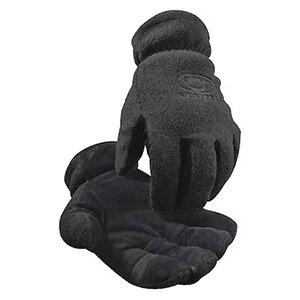
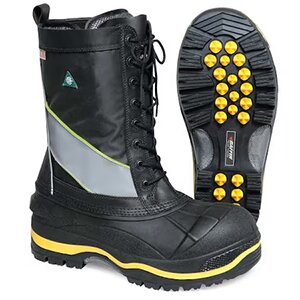
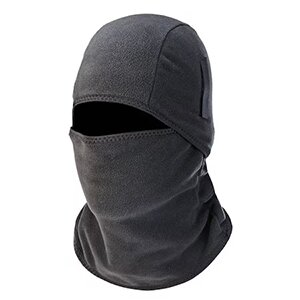
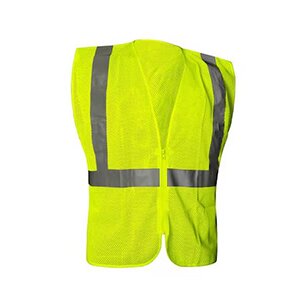
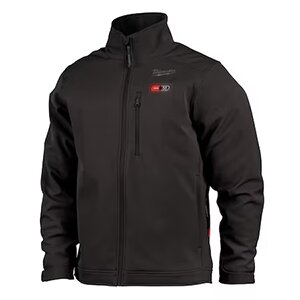
What Cold Weather PPE Does Your Crew Need?
Not all cold weather gear is created equal. Small business owners can make a big impact by supplying quality essentials.
How Can You Prepare the Jobsite for Winter?
Preparing a jobsite for winter means taking proactive steps to manage ice, snow, and freezing temperatures while keeping equipment and crews safe. A few simple adjustments can go a long way in maintaining productivity and reducing risks during the cold months. Keep the job moving safely with these steps.
- Clear snow and ice from work surfaces.
- Use salt, sand, or non-slip mats in walkways and break areas.
- Winterize tools, vehicles, and heavy machinery.
- Provide heated break areas or warming trailers.
- Stock emergency kits with blankets, heaters, and communication devices.
What Safety Training Should You Provide?
Cold weather safety training is essential for helping workers recognize risks, use protective gear correctly, and follow winter-specific protocols on the jobsite. While training doesn’t have to be formal, it should always be clear, consistent, and practical. Here are a few key areas to cover.
- Teach symptoms of cold stress.
- Promote buddy systems.
- Hold quick toolbox talks.
- Show how to properly use cold weather PPE.
How Can You Encourage Safe Work Habits in Cold Weather?
Building safe habits on the jobsite helps workers stay healthy, alert, and productive during the winter months. By setting the tone and leading by example, you can encourage your crew to adopt practices that reduce the risk of cold-related illness or injury. Some effective habits include:
- Take warm-up breaks throughout the day.
- Rotate in and out of cold environments.
- Eat high-calorie snacks and stay hydrated.
- Work high-exertion tasks during the warmest part of the day.
What Are OSHA’s Cold Weather Guidelines?
While OSHA doesn’t have a specific cold stress standard, they expect employers to protect workers from recognized hazards. This includes:
- Performing cold hazard assessments.
- Providing appropriate PPE.
- Keeping training records and incident logs.
Tips: Check local or state-level standards for additional guidance.
Final Thoughts
Safety isn’t just a box to check. For small business owners, it’s an investment that pays off in fewer injuries, smoother jobsites, and stronger team trust. When your crew feels protected, they work better—and stay with you longer.
Product Compliance and Suitability
The statements contained in this guide are intended for general informational purposes only. Such statements do not constitute a product recommendation or representation as to the appropriateness, accuracy, completeness, correctness, or currentness of the information provided. Information provided in this guide does not replace the use by you of any manufacturer instructions, technical product manual, or other professional resource or adviser available to you. Always read, understand, and follow all manufacturer instructions. Portions of this article were generated in part by ChatGPT, and edited by a member of the Zoro team.
