
Commercial Fall Property Maintenance Checklist
Commercial property fall maintenance checklist for safer winters
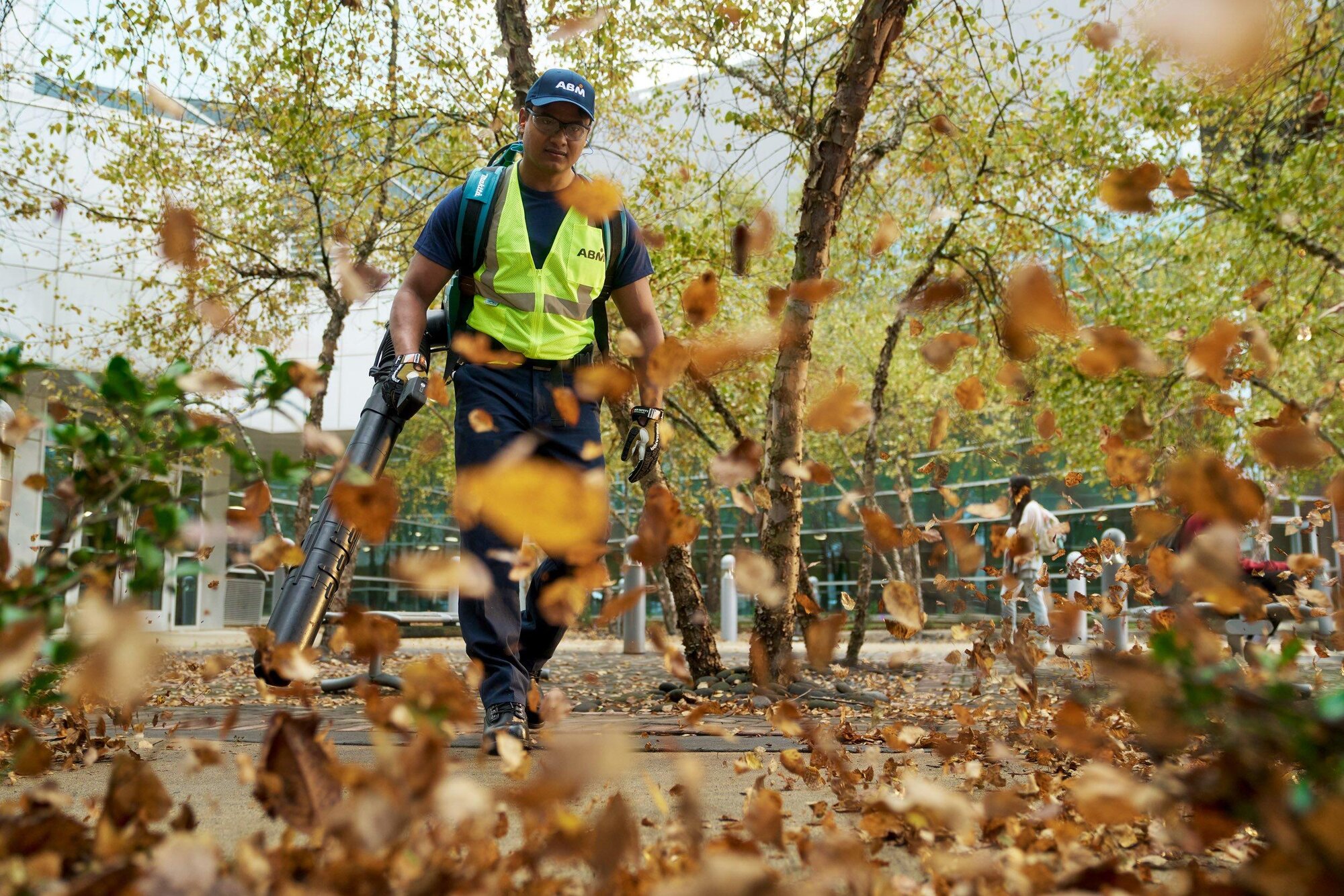
Fall Property Maintenance Checklist: Grounds, Exterior, and Building Systems
Fall is the ideal time for landscape crews, maintenance contractors, property managers, and general contractors to prepare their properties for colder, wetter conditions. A structured fall maintenance checklist helps prevent slip hazards, blocked drains, roof leaks, damaged landscaping, and access issues before winter weather makes service work more difficult.
While the exact work will vary by climate, property type, and service contract, most commercial sites benefit from a focused inspection of exterior grounds, drainage paths, roofs, parking areas, entrances, and weather-exposed building components. Retail centers, multifamily properties, offices, warehouses, restaurants, and similar facilities should also use fall maintenance to document repair needs, stage winter materials, and confirm emergency-response procedures.
Inspect Grounds, Landscaping, and Site Drainage
Fall cleanup is about more than the appearance of a lawn or yard. Leaves, branches, sediment, and overgrown vegetation can block drainage, create walking hazards, and leave a site harder to maintain once snow and ice arrive. Start with a walkthrough of landscape beds, lawns, hardscapes, drainage areas, and pedestrian routes.
Pay special attention to areas where water collects, such as low spots in parking lots, sidewalks near downspouts, catch basins, and building entrances. These locations can become slip hazards or develop ice buildup once overnight temperatures fall.
| Item to inspect | Description / maintenance process |
| Lawns and landscape beds | Remove leaves, branches, litter, and seasonal debris. Identify damaged turf, erosion, bare areas, and plant material that needs pruning or replacement. |
| Trees and shrubs | Remove dead or overhanging branches that could fall onto roofs, vehicles, walkways, or utility lines during wind, ice, or snow events. |
| Grass and turf areas | Complete final mowing, edging, fertilization, overseeding, or soil-amendment work based on the property’s landscape plan and local growing conditions. |
| Sidewalks and pedestrian paths | Clear leaves, mud, and debris that can conceal uneven surfaces, reduce traction, or block accessible routes. |
| Catch basins and drainage inlets | Remove leaves, sediment, and debris from grates and surrounding areas so runoff can enter the drainage system. |
| Swales, ditches, and drainage channels | Inspect for erosion, standing water, vegetation buildup, or obstructions that could redirect water toward the building or paved areas. |
| Downspout discharge areas | Confirm that downspouts direct water away from foundations, entrances, sidewalks, and drive lanes. Repair extensions or splash blocks as needed. |
| Waste and storage areas | Remove loose debris and confirm dumpsters, enclosures, and outdoor storage areas are accessible and ready for winter service. |
Products to Have Available for Grounds and Drainage Maintenance
- Leaf blowers, rakes, debris bags, and outdoor waste containers
- Commercial lawn mowers, trimmers, edgers, and replacement blades
- Fertilizer, grass seed, soil amendments, and spreaders
- Drainage grates, catch-basin filters, and drain-cleaning tools
- Pressure washers, surface cleaners, degreasers, and absorbents
- Traffic cones, caution signs, and barricades for active work areas
Prepare Roofs, Parking Areas, Entrances, and Exterior Building Components
A commercial fall maintenance checklist should prioritize the parts of the property that manage water, support safe access, and protect the building envelope. Small problems with roofs, gutters, doors, pavement, or exterior seals can become more expensive once freezing temperatures, heavy rain, or snow are involved.
Inspect these areas before the first sustained freeze, then schedule repairs that may require dry conditions or specialized access equipment.
| Item to inspect | Description / maintenance process |
| Roof surfaces | Inspect visible roof areas for debris, damaged flashing, loose materials, ponding water, and signs of deterioration. Escalate active leaks or suspected membrane damage to a qualified roofing contractor. |
| Gutters and downspouts | Remove leaves and debris, check for loose sections or leaks, and verify that water flows freely away from the structure. |
| Roof drains and scuppers | Clear debris from roof drains, strainers, scuppers, and overflow paths to reduce the risk of ponding water and ice dams. |
| Parking lots and drive lanes | Identify potholes, surface damage, drainage problems, faded markings, wheel stops, and areas that may collect ice or standing water. |
| Sidewalks, curbs, and ramps | Check for cracks, uneven sections, trip hazards, damaged curbs, and drainage issues affecting pedestrian safety and accessibility. |
| Exterior doors and loading entrances | Inspect doors, frames, closers, thresholds, weatherstripping, and sweeps for gaps that allow water or cold air into the building. |
| Exterior sealants and penetrations | Check caulk around windows, doors, wall penetrations, vents, and utility connections for cracks, separation, or missing material. |
| Garage doors and service doors | Test operation, inspect rollers, cables, tracks, weather seals, and safety components, and lubricate moving parts as appropriate. |
| Exterior lighting and signage | Confirm lights, timers, photocells, exit signs, and site signage are operational before shorter daylight hours and winter weather reduce visibility. |
Products to Have Available for Exterior Maintenance
- Roof sealants, flashing materials, roof patches, and gutter supplies
- Exterior caulk, weatherstripping, door sweeps, and threshold seals
- Garage-door lubricant, replacement rollers, cables, and weather seals
- Pressure-washing supplies, degreasers, and absorbent materials
- Pavement-marking supplies, wheel stops, and traffic-control products
- Replacement exterior light bulbs, photocells, and weatherproof electrical covers
Plan Winter Services, Stage Materials, and Complete the Seasonal Handoff
Fall maintenance should conclude with a clear plan for winter operations. For contracted properties, this means confirming service scopes, crew responsibilities, material locations, and communication procedures before the first snow or ice event. For in-house teams, it means making sure the site has the equipment and supplies needed to respond quickly.
Use the final inspection to document unresolved repairs, confirm which areas need extra monitoring, and identify access restrictions that could affect winter work.
| Item to prepare | Description / winter handoff process |
| Snow-and-ice service areas | Identify priority entrances, accessible routes, fire exits, loading docks, parking areas, hydrants, and emergency access lanes. |
| Deicing materials | Stage ice melt, sand, or other approved traction materials in dry, accessible locations. Confirm products are appropriate for the pavement, landscaping, and local requirements. |
| Winter equipment | Inspect snow blowers, plows, spreaders, shovels, pushers, fuel supplies, batteries, lights, and replacement wear parts before they are needed. |
| Service schedule and crews | Confirm contract requirements, service triggers, crew assignments, site maps, equipment routes, and escalation procedures for severe weather. |
| Emergency repairs | Maintain materials for temporary roof repairs, drainage issues, damaged door seals, exterior lighting failures, and water-control needs. |
| Site access | Verify access to gates, mechanical rooms, roof hatches, dumpster areas, loading docks, and outdoor storage locations. |
| Safety and communication | Update contact lists, emergency numbers, site-specific hazards, tenant notifications, and reporting procedures for winter events. |
| Final documentation | Record completed work, deferred repairs, supply needs, equipment condition, and locations that should be reinspected during winter. |
Essential Winter-Readiness Products
- Ice-melt products, spreaders, snow shovels, and caution signage
- Snow blowers, plow attachments, replacement cutting edges, and fuel containers
- Absorbent materials, temporary roof-repair products, and weatherproof tarps
- Traffic cones, barricades, reflective markers, and portable lighting
- Replacement door sweeps, weatherstripping, caulk, and exterior fasteners
- Drain-cleaning tools, catch-basin filters, and deicing-safe drainage supplies
Make Fall Property Maintenance a Repeatable Seasonal Process
A reliable fall maintenance checklist helps commercial properties enter winter with cleaner grounds, clearer drainage, safer walkways, and fewer unresolved exterior repairs. It also gives contractors and facility teams time to stage materials, inspect equipment, and plan service before winter weather creates an urgent response.
Use this checklist as a starting point, then tailor it to the property’s site layout, building systems, landscape needs, service contract, local weather patterns, and applicable safety requirements. A documented fall maintenance process can reduce winter disruptions while helping protect the property, its occupants, and the crews responsible for keeping it operational.
Product Compliance and Suitability
The statements contained in this guide are intended for general informational purposes only. Such statements do not constitute a product recommendation or representation as to the appropriateness, accuracy, completeness, correctness, or currentness of the information provided. Information provided in this guide does not replace the use by you of any manufacturer instructions, technical product manual, or other professional resource or adviser available to you. Always read, understand, and follow all manufacturer instructions. Portions of this article were generated in part by ChatGPT.
