


Commercial Refrigerator Buying Guide
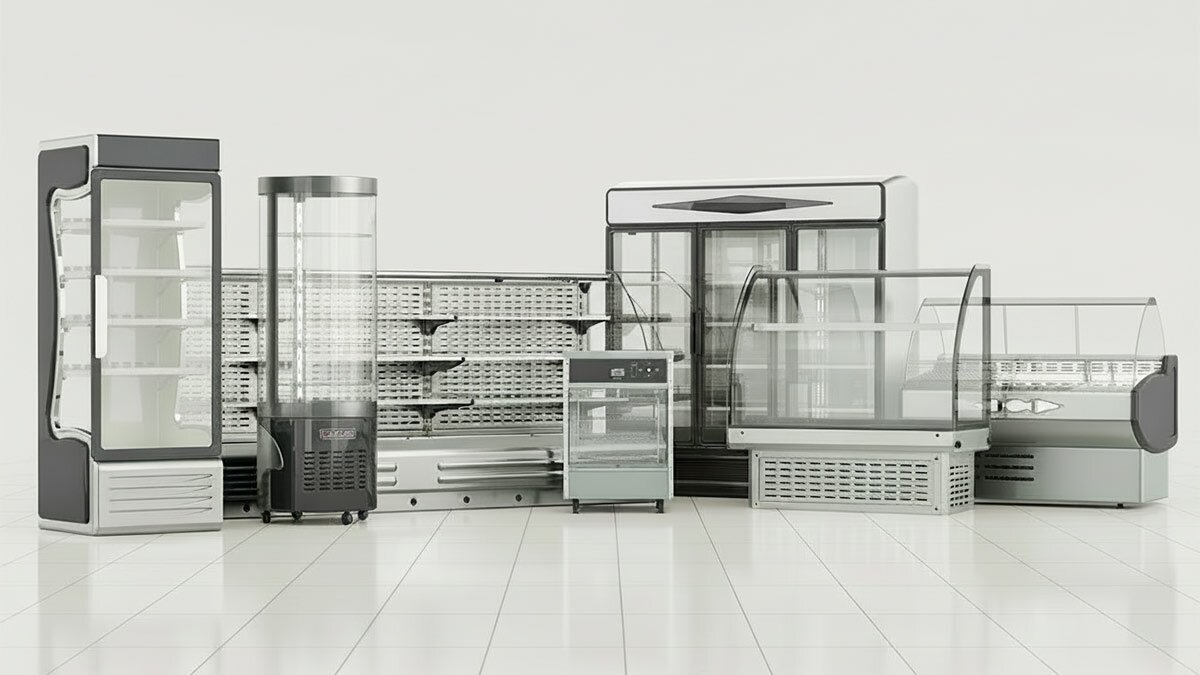
If keeping products cold and operations running smoothly is part of your everyday work, the right commercial refrigerator can make a meaningful difference. Whether you manage a restaurant, warehouse, fabrication shop, or breakroom, choosing the equipment that matches your space and workload helps protect your inventory and support your team. This guide breaks down the different types of commercial refrigeration systems, the features that matter most, and what to consider before you buy.
What Are Commercial and Industrial Refrigeration Systems?
Commercial and industrial refrigeration systems are designed with durability, stable temperatures, and consistent performance in mind. They help businesses store perishable goods safely, reduce product loss, and maintain smooth workflows. The best option depends on your footprint, storage needs, and workflow.
Types of Commercial Refrigerators
| Single Door Reach-In | Multiple Door Reach-In | Under-Counter | Display Refrigerator or Freezer | Compact Refrigerator | Walk-In Cooler |
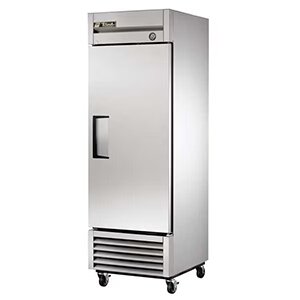 | 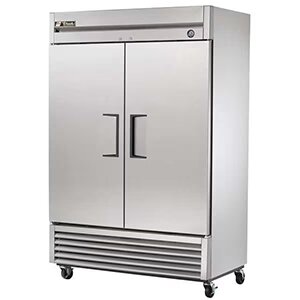 | 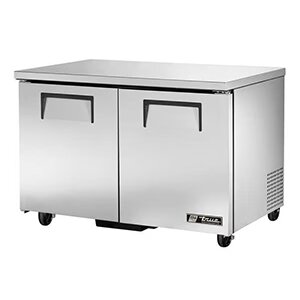 | 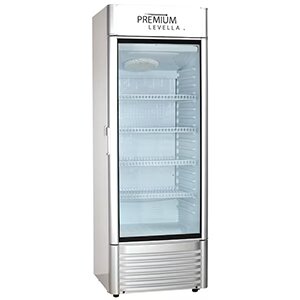 | 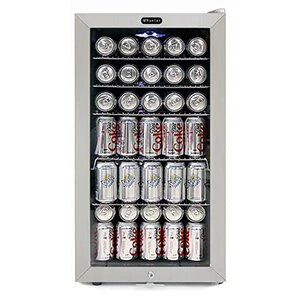 | 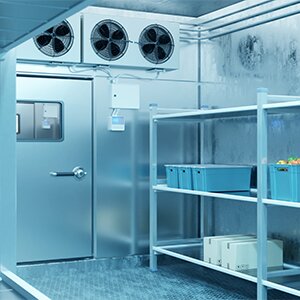 |
| A reliable choice for daily use in service stations, prep areas, or compact back-of-house environments. These units help streamline quick restocking and simplify organization. | Ideal for busy kitchens or supply areas that need fast, frequent access to high volumes of ingredients or packaged goods. | Ideal when square footage is tight. These units offer refrigeration and workspace integration, making them a practical fit for bars, prep lines, and customer-facing counters. | Used in retail and grab-and-go foodservice settings, these units feature glass doors, bright lighting, and organized layouts that help customers view products without opening the door. | Great for offices, breakrooms, or small work areas where employees need quick access to perishable items. | Provides temperature-controlled storage for high-volume operations. Built with insulated panels, self-closing doors, and interior lighting to support consistent cooling and organized inventory management. Ideal for kitchens, food processing, and facility stockrooms. |
How to Choose the Right Commercial Refrigerator
Capacity and Layout
Start by assessing how much space you have and how much you need to store. Walk-in coolers offer the most flexibility for bulk inventory, while reach-in models save floor space and support quick turnover. For growing operations, modular units make it easy to expand later.
Digital Thermostats
Stable temperatures are key for foodservice refrigeration and industrial applications alike. Look for models with advanced thermostats or smart controls that maintain precision under heavy use. This helps prevent spoilage and keeps your operations consistent.
Energy Efficiency
Energy-efficient commercial refrigerators help manage costs without sacrificing performance. ENERGY STAR®-rated units, LED lighting, and improved insulation all reduce energy consumption, which is an important consideration as your utility needs grow.
Compressor Location
Whether top-mounted or bottom-mounted, the location of the compressor affects airflow, cleaning access, and performance efficiency, so choose a configuration that best fits your workspace and maintenance routine.
Professional Installation
Commercial fridge installation affects long-term performance. Hiring qualified technicians ensures proper sealing, drainage, and airflow while preventing costly repairs or inefficiencies down the line.
Additional Buying Considerations
Door Material
Refrigeration systems see constant use. Stainless steel interiors and exteriors hold up to daily wear, resist corrosion, and are easier to sanitize. Durable door seals and heavy-duty hinges also help maintain energy efficiency and temperature stability.
Door Type
Choose between solid or glass doors based on your workflow: glass doors help with visibility, while solid doors often retain temperature better.
Door Locks
Add security for high-value or regulated items, especially in shared or public-facing environments.
Portability
Casters or wheels make it easier to move equipment for cleaning or reorganization without disrupting operations.
Interior Lighting
Bright, energy-efficient lighting improves visibility and helps staff locate items quickly, especially in busy kitchen or warehouse settings.
Adjustable Shelves
Flexible shelving supports better organization, allowing you to reconfigure space for different container sizes or product types.
Commercial Refrigerator Routine Maintenance Checklist
- Clean condenser coils.
- Check and replace door gaskets.
- Monitor temperature logs.
- Inspect drainage lines.
- Schedule preventive maintenance with a qualified technician.
Final Thoughts
The best commercial refrigerator for your business is the one that supports how your team works while meeting storage, footprint, and energy goals. When you focus on durable construction, professional installation, and reliable maintenance, you give your business the support it needs to keep operations moving.
Zoro is here to make finding the equipment you need easier. From reach-in refrigerators to walk-in coolers and industrial refrigeration systems, we carry dependable solutions designed to help your business stay organized and productive.
Product Compliance and Suitability
The statements contained in this guide are intended for general informational purposes only. Such statements do not constitute a product recommendation or representation as to the appropriateness, accuracy, completeness, correctness, or currentness of the information provided. Information provided in this guide does not replace the use by you of any manufacturer instructions, technical product manual, or other professional resource or adviser available to you. Always read, understand, and follow all manufacturer instructions. Portions of this article were generated in part by ChatGPT, and edited by a member of the Zoro team.
