


Commercial Roof Inspection: What Every Business Owner Needs to Know
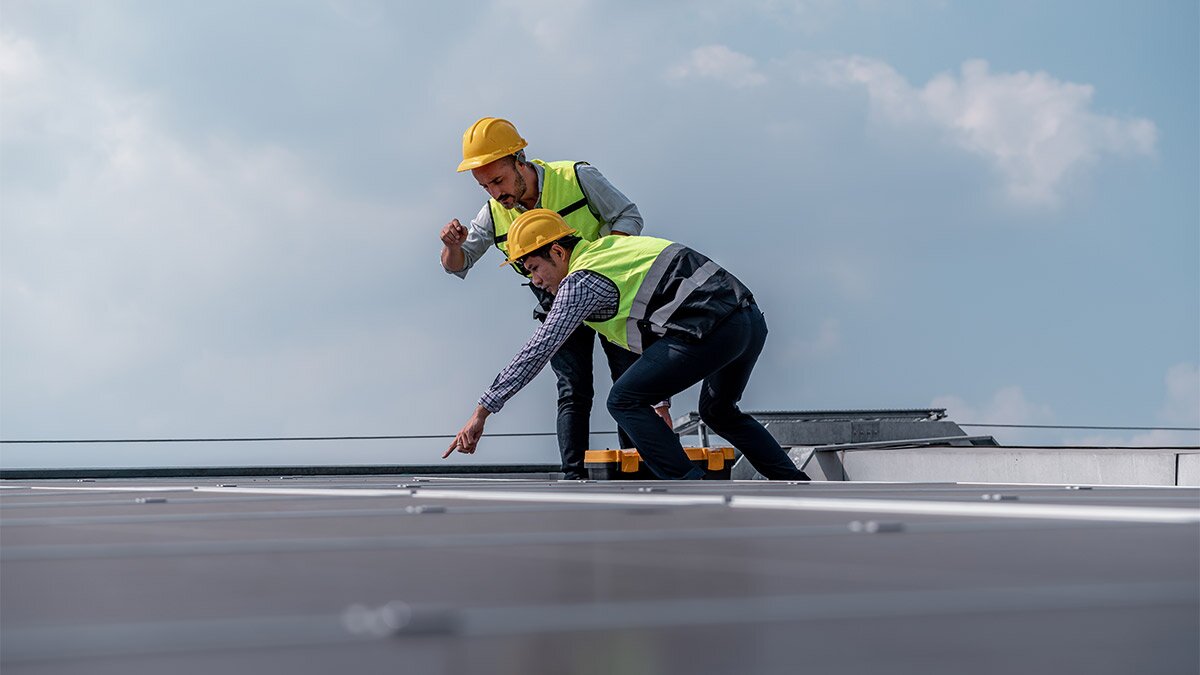
If you’re a business owner or facility manager of a commercial property, you already know your roof does more than just keep the weather out. It’s protecting inventory, supporting equipment, and keeping staff dry and your operations running. A thorough commercial roof inspection is not just nice to have; it’s smart business. In this article we’ll walk you through what happens during a commercial roof inspection, discuss the cost of an inspection, explore why you need a roof inspection, and cover how often to inspect a commercial roof, while tying it all into a roof maintenance program.
Why Do I Need a Commercial Roof Inspection?
Regular inspections are a practical component of facility risk management. Here’s why:
Your commercial roof is exposed to weather, building movement, rooftop equipment, foot traffic and maintenance crews—far more stress than a typical residential roof.
Catching issues early avoids unexpected leaks, interior damage, downtime, and large-scale repairs.
Inspection documentation helps you meet insurance, warranty, and compliance requirements.
A planned inspection ties directly into a commercial roof maintenance plan and supports longer roof life, better budget control, and fewer surprises.
What Happens During a Commercial Roof Inspection?
Here’s a breakdown of the process. Use this as a checklist when you engage an inspection or set up your own internal review.
Pre-inspection preparation: Review past inspection reports, warranty records, and service contracts. Ensure the roof surface is safely accessible and clear of obstructions.
Visual ground-level assessment: Inspect from the ground for signs of damage, drainage issues, or visible defects before climbing up.
Roof surface and membrane evaluation: On the roof surface you’ll inspect the membrane (for cracks, blisters, punctures, separation), seams, coatings, soft spots, and areas of ponding water.
Flashing, joints, and penetrations: Check the integrity of flashings around HVAC units, skylights, vents, parapet walls, edges, and sealant areas. These are common leak sources.
Drainage and roof accessory systems: Roof drains, gutters, and downspouts must be clear and functioning; standing water or blocked drains accelerate damage.
Roof equipment and structure review: Inspect rooftop equipment mounting, curbs, transitions, interface points, structural integrity, and safety anchors (especially for inspection teams).
Interior inspection and documentation: Inside the building, check for water stains, insulation damage, mold, or visible signs of ingress. After the inspection you’ll receive a report with photos, findings, recommendations, and a prioritized maintenance list.
How Much Does a Commercial Roof Inspection Cost?
Budgeting is easier when you know what to expect. Here are cost ranges and key factors that affect them.
Many standard visual inspections fall in the ballpark of $200–$600 for smaller roofs.
More detailed inspections—ones with drone imaging, infrared thermography, moisture mapping—may run $500 to $1,500+ depending on roof size and complexity.
For very large or complex facilities (multi-zone roofs, heavy equipment, hard access), costs can escalate further.
How Often Should a Commercial Roof Be Inspected?
Getting the timing right matters, because frequency ties directly into risk mitigation. Use these guidelines for your facility.
At a minimum, once per year: Getting a commercial roof inspection at least once a year is essential to protect your roof over the long term
Better: Twice a year, typically in spring and fall, is a practical schedule. A spring inspection helps identify any damage caused by snow, ice, or freezing temperatures before the summer heat sets in, while a fall check prepares your roof for colder months ahead.
After major events: if you experience hailstorms, heavy wind, major snow/ice, or other severe weather, schedule a roof inspection even if your routine hasn’t yet come up.
For older roofs or high-traffic roofs: if your roof is more than 10 years old, or if crews walk it often, or equipment is placed on it, consider quarterly or semi-annual checks.
Final Thoughts
As a business owner or property manager, you have enough to worry about: production schedules, staff, equipment, compliance, budgeting. Don't let your roof become an unexpected weak link. A well-structured process for commercial roof inspection, understanding the commercial roof inspection cost, knowing what happens during a commercial roof inspection, and embedding inspections into a roof maintenance program will give you peace of mind, protect your investment, and keep your facility running smoothly. Schedule your next inspection. Make it part of the plan. And keep your building covered—literally.
Product Compliance and Suitability
The statements contained in this guide are intended for general informational purposes only. Such statements do not constitute a product recommendation or representation as to the appropriateness, accuracy, completeness, correctness, or currentness of the information provided. Information provided in this guide does not replace the use by you of any manufacturer instructions, technical product manual, or other professional resource or adviser available to you. Always read, understand, and follow all manufacturer instructions. Portions of this article were generated in part by ChatGPT, and edited by a member of the Zoro team.
