


Commercial Toilet Buying Guide: What Business Owners Should Know
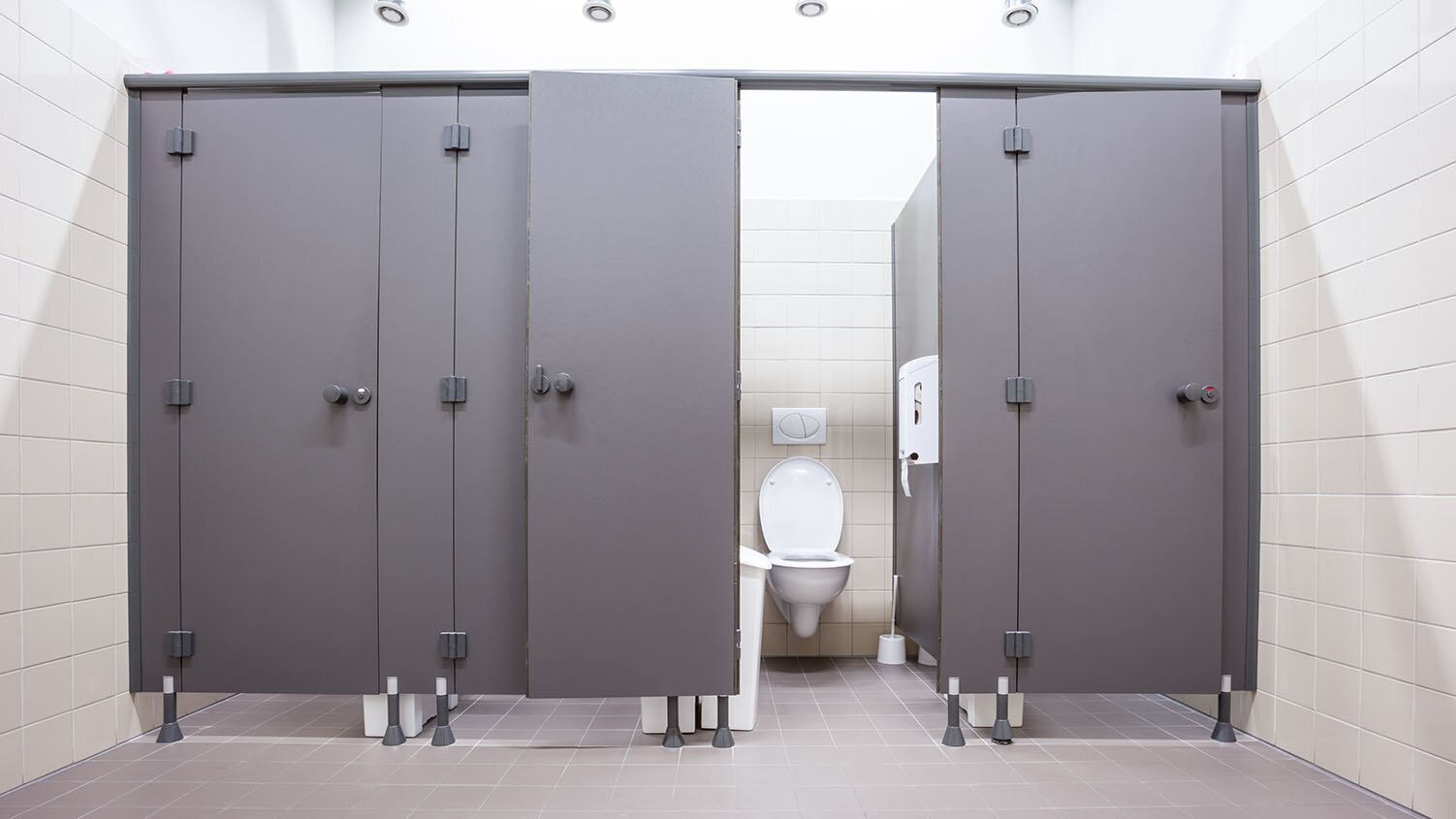
When you’re responsible for outfitting or upgrading restrooms in a commercial building, choosing the right fixtures matters—for functionality, accessibility, and efficient maintenance. That’s where a toilet buying guide can simplify your decision-making process. From ADA compliance to bowl configuration, here’s what to keep in mind.
Round vs. Elongated Toilet Bowls
Choosing the right bowl shape depends on your layout, traffic volume, and user needs. Use the chart below to compare features quickly.
| Round Toilet Bowl | Elongated Toilet Bowl |
|
|
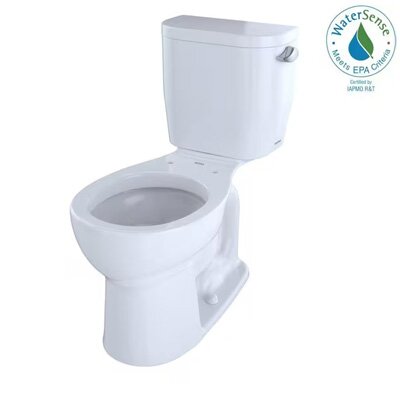 | 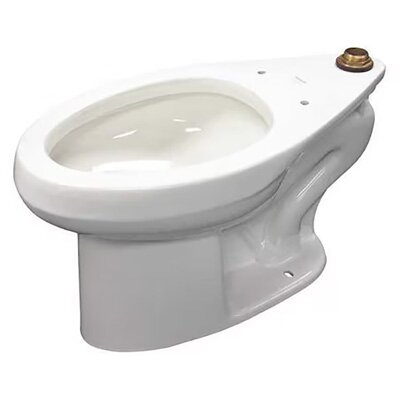 |
Standard vs. ADA-Compliant Toilets
Standard-height toilets typically measure around 15" from the floor to the seat, while ADA-compliant toilets are 17" to 19" high. ADA-compliant options make it easier for individuals with mobility challenges to use restrooms independently. Compliance is more than preference; it may be required by law in public facilities or new builds. Double-check applicable local building codes before purchase.
Toilet Height Comparison
| Toilet Type | Seat Height | Typical Use Case |
| Standard Height | 14" – 16" | Residential or light-use facilities |
| Comfort Height | 17" – 19" | Greater comfort for taller individuals |
| ADA-Compliant Height | 17" – 19" | Required for accessibility in public buildings |
Tip: Always measure from the floor to the top of the toilet seat. ADA-compliant models must also meet other design criteria like grab bar clearance and turning radius, depending on your facility’s layout.
Tank Types: One-Piece vs. Two-Piece
One-piece toilets are easier to clean and tend to be more streamlined, but they often cost more. Two-piece toilets are more common in commercial installations due to their affordability and ease of replacement.
Flush Type: Gravity vs. Pressure-Assisted
Gravity-fed toilets use water weight to flush waste. They’re quieter and suitable for most offices. Pressure-assisted models use compressed air to forcefully flush, reducing clogs in high-use environments like schools or industrial facilities.
Other Features to Consider
- Touchless flush for hygiene and convenience
- Wall-mounted vs. floor-mounted models
- Vandal-resistant parts for public restrooms
- Noise level for privacy-sensitive environments
How to Measure for a Toilet
Before selecting a model, take accurate measurements. The key dimension is the rough-in distance: the space from the wall behind the toilet to the center of the drainpipe or bolts (usually 10", 12", or 14"). Other considerations include:
- Clearance from walls or partitions
- Space in front for user comfort
- Door swing in smaller restrooms
Ready to outfit your restrooms with fixtures that work as hard as your team does? Browse Zoro’s full selection of commercial toilets to find options that meet your facility’s needs, whether you're focused on ADA compliance, durability, or ease of maintenance.
Product Compliance and Suitability
The statements contained in this guide are intended for general informational purposes only. Such statements do not constitute a product recommendation or representation as to the appropriateness, accuracy, completeness, correctness, or currentness of the information provided. Information provided in this guide does not replace the use by you of any manufacturer instructions, technical product manual, or other professional resource or adviser available to you. Always read, understand, and follow all manufacturer instructions. Portions of this article were generated in part by ChatGPT, and edited by a member of the Zoro team.
