
Commercial Washer and Dryer Buying Guide
Compare commercial laundry equipment options for facility performance and value.
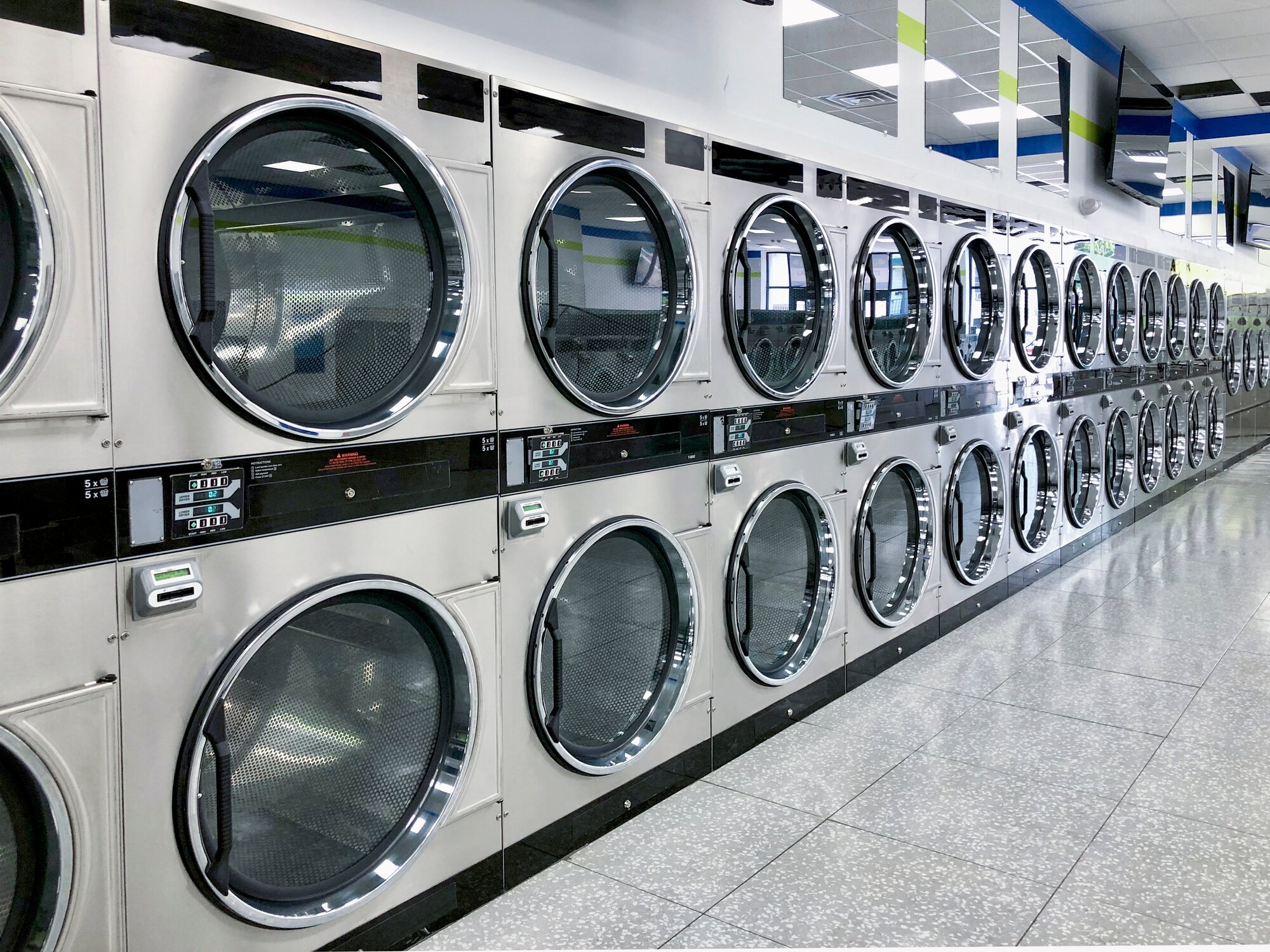
Choosing the Right Commercial Washer and Dryer
Choosing a commercial washer and dryer requires balancing laundry volume, available space, cycle requirements, utility connections, and long-term operating costs. Equipment designed for commercial use can support recurring laundry needs in facilities such as hotels, healthcare environments, laundromats, gyms, educational institutions, and workplace operations.
However, not every commercial laundry application has the same requirements. A facility processing uniforms and workwear may prioritize different features from a hospitality operation handling sheets, towels, and other linens. The right equipment depends on the materials being washed, the amount of laundry generated, the required turnaround time, and the conditions at the installation site.
This guide explains how to compare commercial washers and dryers and what to consider before purchasing equipment for your facility.
What Is a Commercial Washer and Dryer?
A commercial washer and dryer are laundry appliances designed for applications with recurring operational demands. Depending on the product and intended use, equipment may offer specialized cycle options, different load capacities, programmable controls, or configurations suited to a commercial laundry environment.
Commercial laundry equipment covers several product types, including washers, dryers, washer-extractor units, and equipment intended for specific commercial or institutional applications. Product features and duty capabilities vary, so buyers should confirm that the selected model is rated for their expected workload.
Commercial equipment should not automatically be treated as interchangeable with industrial laundry equipment. Large-scale operations may require specialized equipment, installation planning, and service arrangements beyond those needed for a smaller commercial laundry room.
Where Are Commercial Washers and Dryers Used?
Commercial laundry equipment serves organizations that need to process laundry on a recurring schedule. Common applications include:
- Hotels and hospitality: Processing bedding, towels, uniforms, and other washable linens.
- Healthcare and care facilities: Handling approved laundry loads under facility-specific procedures and applicable requirements.
- Laundromats: Providing washing and drying capacity for customer laundry.
- Gyms and recreation facilities: Processing towels, uniforms, and selected washable textiles.
- Educational institutions: Supporting laundry needs associated with housing, athletics, uniforms, or other campus operations.
- Workplace and industrial facilities: Processing approved uniforms, workwear, and other textiles according to material and contamination requirements.
The facility's laundry type is an important selection factor. Specialized healthcare textiles, contaminated workwear, and other regulated or higher-risk laundry may require dedicated procedures and equipment selected for that use. Confirm requirements before using standard commercial laundry equipment for specialized loads.
7 Factors to Consider When Choosing a Commercial Washer and Dryer
1. Load Capacity and Laundry Volume
Capacity is one of the first specifications to evaluate when comparing commercial laundry equipment. The washer must accommodate the loads your facility processes without exceeding the manufacturer's permitted loading guidelines.
Estimate the typical amount of laundry generated per day and consider peak periods. A hotel, gym, and uniform service may have different patterns of demand even if their average daily laundry volume is similar.
Review washer and dryer capacities separately. Their rated capacities and suitable load sizes may differ depending on the equipment design and the types of textiles being processed.
Capacity should be matched to the actual laundry workflow. A machine that is too small may create scheduling bottlenecks, while an oversized unit may not be the most practical choice for a facility with limited space or inconsistent demand.
2. Washer and Dryer Configuration
Commercial laundry equipment is available in different configurations. Depending on the product range, buyers may compare separate washer and dryer units, stacked arrangements, or specialized laundry systems.
Separate units can provide flexibility when the installation has enough space and the facility needs to run washing and drying operations independently. Stacked configurations may help make use of limited floor space, subject to the manufacturer's installation requirements.
When comparing configurations, consider loading access, maintenance clearance, operator movement, ventilation, and the ability to handle laundry baskets or carts around the equipment.
3. Electrical, Gas, Water, and Ventilation Requirements
Commercial washers and dryers may have different utility requirements depending on the model. Before purchasing, verify the required electrical service, water supply, drainage, fuel connection where applicable, and ventilation arrangements.
For dryers, review whether the model is vented or uses another drying technology, and confirm the installation requirements for that specific product. Do not assume that every dryer can use the same exhaust arrangement or fuel source.
For washers, check water connections, drainage, and any required installation provisions. Some equipment may also have specific floor, mounting, or service-access requirements.
Have qualified installers evaluate the site where necessary. Installation costs and feasibility can vary significantly depending on existing utilities and building conditions.
4. Cycle Options and Laundry Types
The right cycle options depend on what your facility needs to wash and dry. Some loads may require routine washing, while others may need specific temperature settings, rinse options, or drying controls appropriate for the textile and manufacturer's care instructions.
Identify the main laundry categories before comparing models. Consider fabric types, soil levels, load consistency, and any documented handling requirements associated with the items being processed.
For specialized textiles, verify that the equipment's available cycles and controls support the required process. Do not assume that a standard cycle meets a facility's sanitation, disinfection, or textile-care requirements without appropriate validation.
5. Operating Efficiency and Cost
Water, energy, detergent, labor, and maintenance contribute to the ongoing cost of commercial laundry operations. Equipment specifications can help buyers compare expected resource use, but actual operating costs depend on the load, cycle selection, utility rates, installation, and operating practices.
Review the manufacturer's available information on water and energy consumption, cycle duration, and recommended operating conditions. Where comparable data is available, use consistent assumptions to evaluate different models.
Also consider the time required for loading, unloading, sorting, and transferring laundry between washing and drying. A practical workflow can be just as important as an individual machine's rated performance.
6. Durability, Maintenance, and Service
Commercial laundry equipment may be used frequently, making maintenance planning an important part of the purchase decision. Review the manufacturer's maintenance schedule, cleaning instructions, service requirements, and recommendations for routine inspections.
Check the availability of replacement parts and qualified service support. Consider how the equipment will be accessed for cleaning, troubleshooting, and repair, and whether maintenance can be scheduled without disrupting critical laundry operations.
Compare the expected ownership requirements rather than focusing only on the initial price. Installation, maintenance, replacement components, downtime, and utility use can all influence the long-term cost of the equipment.
7. Space, Accessibility, and Installation
Measure the available installation area before selecting a washer and dryer. Include the equipment dimensions, door openings, loading and unloading space, required service clearances, and any manufacturer-specified ventilation or utility arrangements.
Consider how laundry moves through the room. Operators may need space for carts, sorting areas, folding surfaces, clean-linen storage, and temporary staging. Equipment placement should support the workflow without blocking access or creating avoidable handling difficulties.
Confirm the floor and installation requirements for the selected models. For some equipment, vibration, anchoring, drainage, or other installation details may need to be evaluated by qualified professionals.
Commercial Washer and Dryer Comparison Checklist
Use the following table to organize requirements before comparing equipment.
| Selection Factor | Questions to Ask |
|---|---|
| Capacity | How much laundry must be processed per day, and what are the peak loads? |
| Equipment configuration | Do separate or stacked units better suit the space and workflow? |
| Utilities | Are the required electrical, water, drainage, fuel, and ventilation provisions available? |
| Cycle requirements | Can the equipment handle the textiles and cycles required for the application? |
| Efficiency | What comparable information is available about water use, energy use, and cycle time? |
| Maintenance | What routine service is required, and are parts and qualified service providers available? |
| Installation | Does the location meet the equipment's dimensions, clearance, drainage, and mounting requirements? |
| Total cost | Have purchase, installation, utility, maintenance, and potential downtime costs been considered? |
How to Match Commercial Laundry Equipment to Your Facility
Different facilities should prioritize different requirements when evaluating commercial washers and dryers.
| Facility Type | Key Considerations | What to Verify |
|---|---|---|
| Hotel or hospitality facility | Linens, towels, recurring loads, and turnaround schedules | Capacity, cycle options, utility requirements, and workflow |
| Gym or recreation center | Towels, uniforms, operating hours, and variable demand | Load size, cycle duration, maintenance access, and operating cost |
| Laundromat | Customer load variety, machine availability, and installation constraints | Capacity options, controls, utility connections, and service support |
| Workplace or industrial facility | Approved workwear, laundry handling procedures, and recurring volume | Textile compatibility, required cycles, equipment rating, and special handling requirements |
| Healthcare or care facility | Textile-handling procedures, separation of laundry streams, and documented process requirements | Suitability for the intended application, required cycles, and applicable facility standards |
These examples are general buying considerations rather than prescriptive equipment specifications. Confirm the selected equipment's capabilities against the facility's actual workload and operating requirements.
Commercial Washer and Dryer Buying Checklist
Before purchasing equipment, confirm that you can answer the following questions:
- How much laundry does the facility generate during normal and peak operating periods?
- What types of textiles will be washed and dried?
- What washer and dryer capacities are appropriate for the expected loads?
- Would separate units or a stacked configuration work better for the available space?
- Are the required electrical, water, drainage, fuel, and ventilation connections available?
- Do the available cycles support the textiles and operating procedures?
- Have comparable energy, water, and cycle-time information been reviewed?
- What maintenance and service support will be required?
- Does the installation area meet the manufacturer's requirements?
- Have purchase price, installation, operating costs, and potential downtime been considered?
Frequently Asked Questions
What is the difference between a commercial washer and a residential washer?
Commercial washers are designed for specified commercial applications and may offer different capacities, controls, cycle options, and operating capabilities from residential models. Actual capabilities vary by product, so compare the manufacturer's specifications and intended-use rating rather than assuming every commercial model supports the same workload.
How do I choose the right commercial washer capacity?
Estimate the amount and type of laundry processed per day, including peak periods. Then compare the required load sizes with the manufacturer's rated capacity and recommended loading practices. Evaluate washer and dryer capacities separately because their suitable load sizes may differ.
Should I buy a commercial washer and dryer separately or as a stacked unit?
The choice depends on available space, loading access, workflow, and the equipment's installation requirements. Separate units may provide more placement flexibility, while stacked arrangements can help use vertical space. Confirm dimensions, clearances, utilities, and manufacturer approval for the intended configuration.
What utilities do commercial washers and dryers require?
Requirements vary by model. Washers may require specific electrical, water, and drainage connections. Dryers may require electrical service, fuel connections, ventilation, or other provisions depending on their design. Review the product documentation and confirm that the site is suitable before purchasing.
How can a facility compare commercial laundry operating costs?
Compare available information on water use, energy consumption, cycle duration, maintenance, and service requirements using consistent assumptions. Actual costs depend on the laundry load, selected cycles, utility rates, installation, and operating practices.
Choose Commercial Laundry Equipment That Fits Your Operation
The right commercial washer and dryer should match your facility's laundry volume, textile requirements, available utilities, space, and operating schedule. Capacity, cycle options, efficiency, maintenance, and service support all contribute to a successful equipment decision.
Before purchasing, document the requirements of your operation and compare them with the manufacturer's specifications. Confirm the installation conditions and any special requirements associated with the laundry being processed.
Explore suitable commercial laundry equipment and related facility supplies based on your application's needs, and verify equipment compatibility before ordering.
Product Compliance and Suitability
The statements contained in this guide are intended for general informational purposes only. Such statements do not constitute a product recommendation or representation as to the appropriateness, accuracy, completeness, correctness, or currentness of the information provided. Information provided in this guide does not replace the use by you of any manufacturer instructions, technical product manual, or other professional resource or adviser available to you. Always read, understand, and follow all manufacturer instructions. Portions of this article were generated in part by ChatGPT.
