


Common Problems with Heating and Cooling Systems
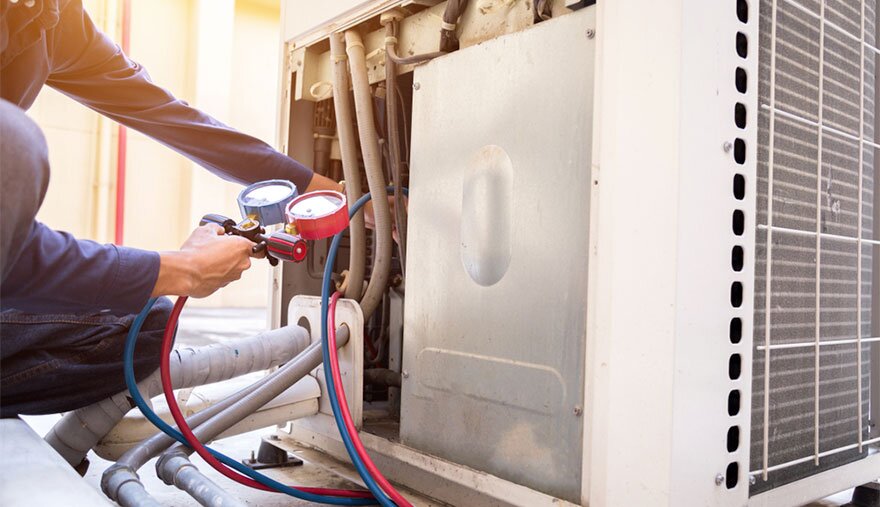
What Is HVAC?
HVAC is short for Heating, Ventilation, and Air Conditioning and is a crucial component of modern buildings and homes. HVAC systems circulate air to maintain pleasant indoor air quality and comfortable temperatures year-round. Beyond simply adjusting the temperature, advanced HVAC systems can also help you lower energy costs and promote occupant health via clean air. Consisting of components like fans, ducts, thermostats, and filters, HVAC systems require regular maintenance for efficient operation.
8 Common HVAC Issues
Whether you're a professional or simply making DIY repairs, it's important to be aware of the most common HVAC issues that can arise and how to resolve them to keep your HVAC systems running smoothly. Here are some of the most frequently occurring HVAC problems that can affect the performance and efficiency of these systems.
1. Lack of Maintenance (Dirty/Clogged Filters)
When the filter of an HVAC system becomes clogged or dirty, it can reduce its ability to work properly and affect the airflow.
2. Leaking Ducts
Over time, worn-out parts in the ductwork that are no longer sealed can cause air to leak, resulting in poor air flow, increased energy costs, and a less comfortable indoor environment.
3. Malfunctioning Thermostat
A thermostat that's not working properly can cause cooling and heating cycles to become misaligned, leading to poor performance, temperature imbalances throughout the home, and higher energy bills.
4. Pilot Light Outage
If this essential light in your gas furnace goes out or fails altogether, you won’t be able to heat up your space effectively until it’s fixed.
5. Blower Motor Problem
A faulty blower motor can prevent your unit from blowing sufficient amounts of heat or cold air into the entire house.
6. Dirty Evaporator Coils
When dirt and dust accumulate on these AC components, it restricts air flow through the coils, causing them to become less efficient and leading to greater energy consumption and reduced cooling power.
7. Broken Condenser Fan Motor
When this fan isn't working properly, it can lead to problems with heat exchanger coils failing to cool warm air before it is released to the outside.
8. Frozen Evaporator Coils
If water builds up over time, frozen coils may occur, causing distribution problems to arise where desired temperatures are not reached.
Common Tools for HVAC Repairs
Having the right tools on hand is essential for performing effective HVAC repairs and maintenance. From safety glasses to multimeters, these commonly used tools are indispensable for ensuring the proper functioning and safety of HVAC systems.
Commercial vs. Residential HVAC
Commercial and residential HVAC systems have key differences in terms of complexity, usage, and even equipment, which can impact the repairs and issues they may encounter. Commercial systems are larger and more complex, typically serving larger spaces and accommodating higher occupancy, while residential systems are smaller and may be designed specifically for either single-family homes or apartment buildings with multiple units.
Repairs for commercial systems may require specialized expertise, equipment, and permits, whereas residential systems have different issues that may be easier to diagnose and fix with DIY skills. For example, commercial systems may use a different system and thermostat than a residential one. Understanding these differences is crucial to effectively diagnose and address problems in both settings.
HVAC systems are essential for everyday work and life, but they also experience a variety of common problems in both commercial and residential settings, ranging from electrical issues to mechanical failures. Having the right tools on hand is key for effectively diagnosing and repairing HVAC systems. In addition, it's important to understand the reasons for various HVAC failures to properly diagnose any issues, as well as the differences between commercial and residential systems. By staying knowledgeable and equipping yourself with the proper tools, both HVAC professionals and DIYers can ensure efficient and effective repairs, helping to maintain optimal performance and comfort for anyone using these systems in their spaces.
Product Compliance and Suitability
The product statements contained in this guide are intended for general informational purposes only. Such product statements do not constitute a product recommendation or representation as to the appropriateness, accuracy, completeness, correctness, or currentness of the information provided. Information provided in this guide does not replace the use by you of any manufacturer instructions, technical product manual, or other professional resource or adviser available to you. Always read, understand, and follow all manufacturer instructions.
