


Comparing Types of Baseboard Heaters: Hydronic and Electric Explained
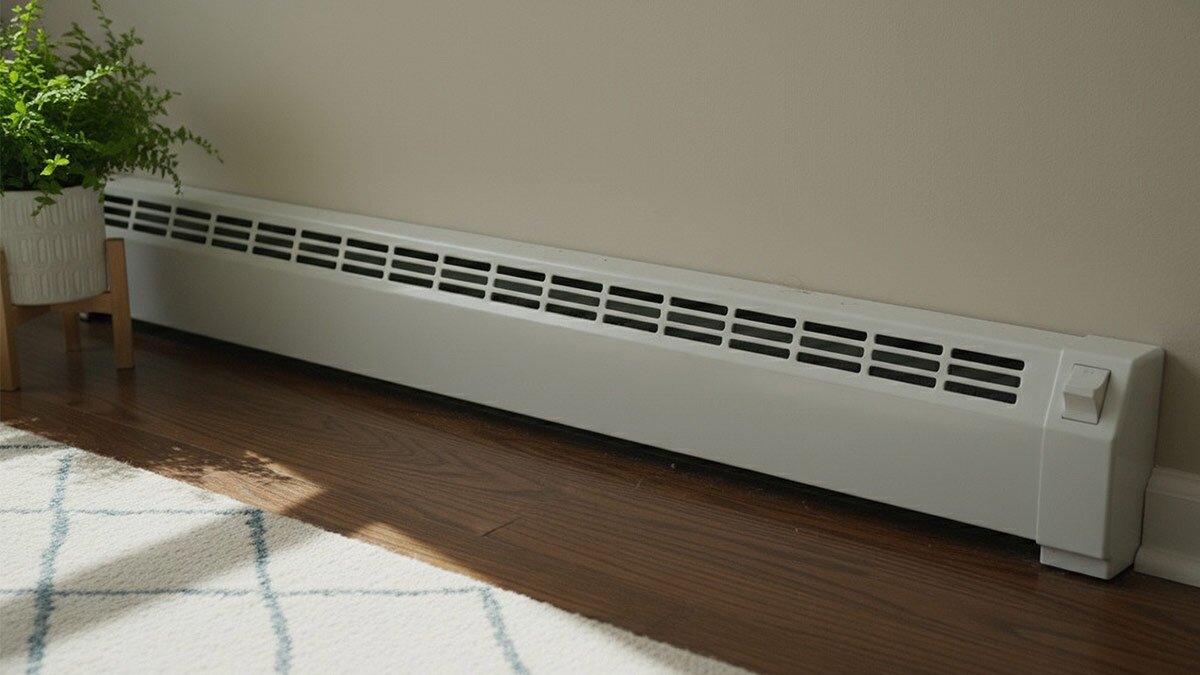
Keeping your business warm isn’t just about comfort. It’s about supporting productivity, protecting equipment, and creating a safe environment for your team. If you’re considering baseboard heaters for an office, workshop, storefront, or small industrial space, two options often come up: hydronic and electric baseboard heaters. They may look similar, but they heat very differently. Understanding those differences can help you choose a heating system that fits your space and your energy goals.
Hydronic Baseboard Heaters (Radiant Heat Systems)
Hydronic heaters warm a liquid, usually water or oil, inside the unit. Once the liquid heats up, it radiates steady warmth into the room, similar to the natural feel of sunlight on your skin.
Hydronic baseboard systems come in two styles.
- Built-in systems connect to a central boiler that circulates heated water through copper pipes. They warm slowly but hold heat well, cycling less frequently and supporting long-term energy savings.
- Freestanding systems heat and recirculate water inside each unit. They offer the benefits of radiant heat without needing a full boiler system.
Hydronic heat spreads evenly and lingers even after the unit turns off, making it a dependable option for businesses that need consistent comfort.
Electric Baseboard Heaters (Convection Heat Systems)
Electric baseboards use a heating element to warm surrounding air. Cool air enters the unit, warms up, then circulates back into the room. This makes electric systems quick to heat but quicker to cool.
Each unit usually has its own thermostat, so you can control room-by-room comfort without adjusting the whole building. These systems are fast to install, easy to maintain, and useful for smaller spaces, offices, or areas where you want targeted heat. The trade-off is energy use. Electric units cool down quickly and cycle more often to maintain the same temperature, which may increase overall usage in larger or frequently occupied spaces.
Hydronic vs. Electric Baseboard Heaters: Quick Comparison
| Hydronic Baseboard Heaters | Electric Baseboard Heaters | |
| Heating Method | Radiant heat (like sunlight) | Convection heat (air circulation) |
| Power Source | AC electricity | AC electricity |
| Installation | Typically built-in | Easier, self-contained |
| Design | Wall-mounted floor height | Wall-mounted floor height |
| Upfront Cost | Higher cost, more efficient | Cheaper cost, less efficient |
| Heat Retention | Longer lasting | Cools quickly |
| Maintenance | Periodic care | Minimal |
| Size Range | 35"–94" width average | 20"–96" width average |
Choosing Between Hydronic and Electric Baseboard Heaters
Every business has unique heating needs. Here are the factors that can guide your decision:
Installation Budget
- Hydronic systems require more upfront investment.
- Electric baseboards are easier to install and more affordable.
Maintenance Requirements
- Electric units require little ongoing care.
- Hydronic systems need occasional upkeep, especially if connected to a boiler.
Energy Considerations
- Hydronic heaters often run less frequently because they retain heat longer.
- Electric heaters warm quickly but cycle more often, which may increase usage.
Comfort Needs
- Hydronic heat is slow, steady, and long-lasting.
- Electric heat is fast to generate but fades quickly.
Space Type
- Offices, storefronts, and multi-room spaces often benefit from hydronic heating.
- Workstations, small rooms, and supplemental zones often suit electric baseboards.
Key Takeaways
Choosing between hydronic and electric baseboard heaters doesn’t have to be complicated. It’s about finding what fits your space, your budget, and your energy goals. Hydronic systems deliver steady, efficient warmth with lasting comfort. Electric baseboards keep things simple with affordable, flexible heat. Either option can help your business stay productive—and comfortable—no matter the season.
Product Compliance and Suitability
The statements contained in this guide are intended for general informational purposes only. Such statements do not constitute a product recommendation or representation as to the appropriateness, accuracy, completeness, correctness, or currentness of the information provided. Information provided in this guide does not replace the use by you of any manufacturer instructions, technical product manual, or other professional resource or adviser available to you. Always read, understand, and follow all manufacturer instructions. Portions of this article were generated in part by ChatGPT, and edited by a member of the Zoro team.
