


DEWALT’s Top Safety Tips for Using Power Tools
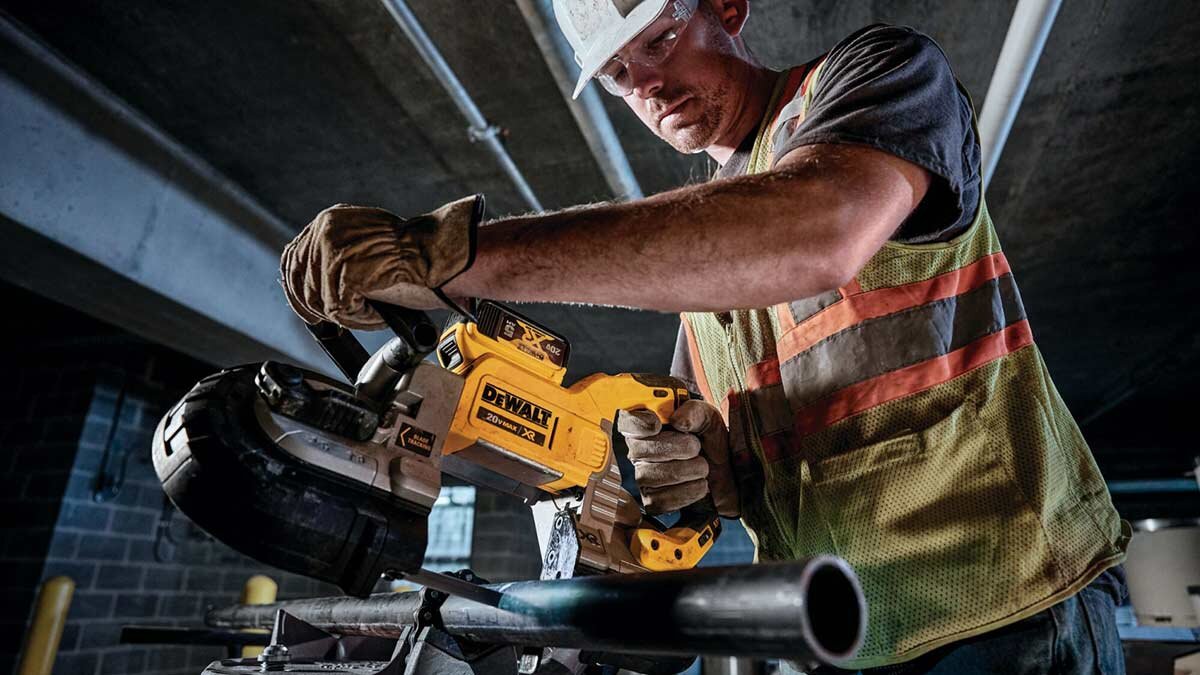
Presented by DEWALT® and Zoro Staff
Power tools help you get the job done faster and with more precision and power than you would with hand tools. However, working with heavy-duty power tools comes with risks. We were lucky to get insight from DEWALT on how to get the most out of your power tools while staying safe. Naturally, we’re passing these tips on to you. Let’s go!
Tips for Machine Safety and Using PPE on the Job


DEWALT’s expansive assortment of power tools ensures that there is always a tool for the task at hand. Whether you’re jackhammering concrete or cutting wood, it’s essential to use the right PPE. Staying in compliance with all safety regulations is just as important. Here are some common safety protocols to follow on the jobsite, as well as some types of PPE you should have on hand.
Practice safety protocols
Whether you’re working in an auto shop, manufacturing facility, or on a jobsite, it’s important to follow common safety rules. A few of these include:
- When plugging into a power source, make sure your power tool is turned off.
- Don’t carry power tools with your finger on the trigger or energize tools when not in use.
- Always remove any adjusting key or wrench before turning on any type of tool with a rotating part.
Wear PPE
Using the right personal protective equipment on the job is essential to staying safe. Always make sure your eye and hearing protection are ANSI certified and your respiratory protection meets OSHA/NIOSH standards.
Some common types of PPE include safety glasses, ear plugs/ear muffs, hard hats, work boots, and fall protection harnesses and equipment.
Safety Tips for Drills, Drivers, and Hammer Drills
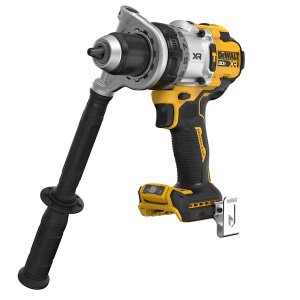

Drills, drivers, and hammer drills bring power and speed to the jobsite. Making safety a priority is essential to avoid injury. Here are some top tips DEWALT has provided to keep you safe.
Always wear gloves when operating the tool
Parts of the tool can get hot while it’s in use. In addition, debris from your workpiece could also break off and injure your hands.
Warm up your tool
If the tool has not been used in a while or if you’re working in cold weather conditions, let the tool run for several minutes without a load before use.
Limit how long you use the tool
Vibration from the tool can be harmful to your hands and arms over time. Padded gloves can help reduce impact. However, it’s still important to take frequent breaks.
Always use the side handle
Keep a firm grip on the tool at all times to avoid injury. Operate the tool with both hands and avoid attempting to break through hard materials, such as rebar.
Don’t grip the chuck and turn on the tool
Do not try to tighten drill bits or any other accessory by gripping the chuck and energizing the tool. Always lock off the trigger switch and unplug the tool from its power source (or remove the battery) when not in use.
Safety Tips for Angle Grinders

If angle grinders aren’t used with care, injuries are bound to happen. Here are some tips to stay safe while using this versatile tool.
Keep others out of your work area
Anyone entering your work area must wear PPE—including you. Debris from your workpiece or fragments from an accessory can break off and cause injury if precautions are not taken.
Wait for the grinder to stop before setting it down on a surface
If the rotating part of the tool is still in motion, it can grab the surface and get out of your control.
Use the guard
Whether you’re using a cutting wheel, sanding wheel, flap disc, wire brush, or wire wheel, always use the guard. An angle grinder can only be used without a guard when sanding with a conventional sanding disc with a rubber backing pad.
Make sure your accessories are compatible
If your accessories are mounted by flanges, make sure the arbor hole of the accessory you’re using fits the locating diameter of the flange. If your accessories are incompatible with the mounting hardware, the grinder may be unbalanced, vibrate excessively, or cause loss of control.
Don’t use expired wheels
Bonded abrasive wheels that are past their expiration date can burst and cause injuries. Always store bonded abrasive wheels in dry, temperate conditions. Make sure to discard expired wheels so that they can’t be used.
Safety Tips for Power Saws

Power saws can be extremely dangerous if they are used without taking precautions. Abrasions, cuts, and even amputations can occur if you’re not paying attention. Here are some tips to avoid injuries.
Use both hands
Always maintain a firm grip on your power saw by using both hands. Position your arms to resist kickback forces and your body on either side of the blade, but not in line with the blade. Brace your body to control kickback forces.
Let the saw come to a complete stop when it’s binding
If the saw is binding or you need it to stop, hold the saw motionless until the blade completely stops. When you restart the saw, center the blade in the kerf, and make sure the teeth are not touching the workpiece.
Support large panels
If you’re cutting large panels, make sure to place supports underneath them on both sides near where you will be cutting. This can help you avoid blade pinching and kickback.
DEWALT makes work on the jobsite much more efficient with their exceptional lineup of powerful tools. Always make safety a priority so that you can do your job well and have a long career. Are you ready to stock up on DEWALT tools and PPE? Shop Zoro today.
Product Compliance and Suitability
The statements contained in this guide are intended for general informational purposes only. Such statements do not constitute a product recommendation or representation as to the appropriateness, accuracy, completeness, correctness, or currentness of the information provided. Information provided in this guide does not replace the use by you of any manufacturer instructions, technical product manual, or other professional resource or adviser available to you. Always read, understand, and follow all manufacturer instructions.
