


Types of Spark Plugs: What Small Business Owners in Construction and Manufacturing Should Know
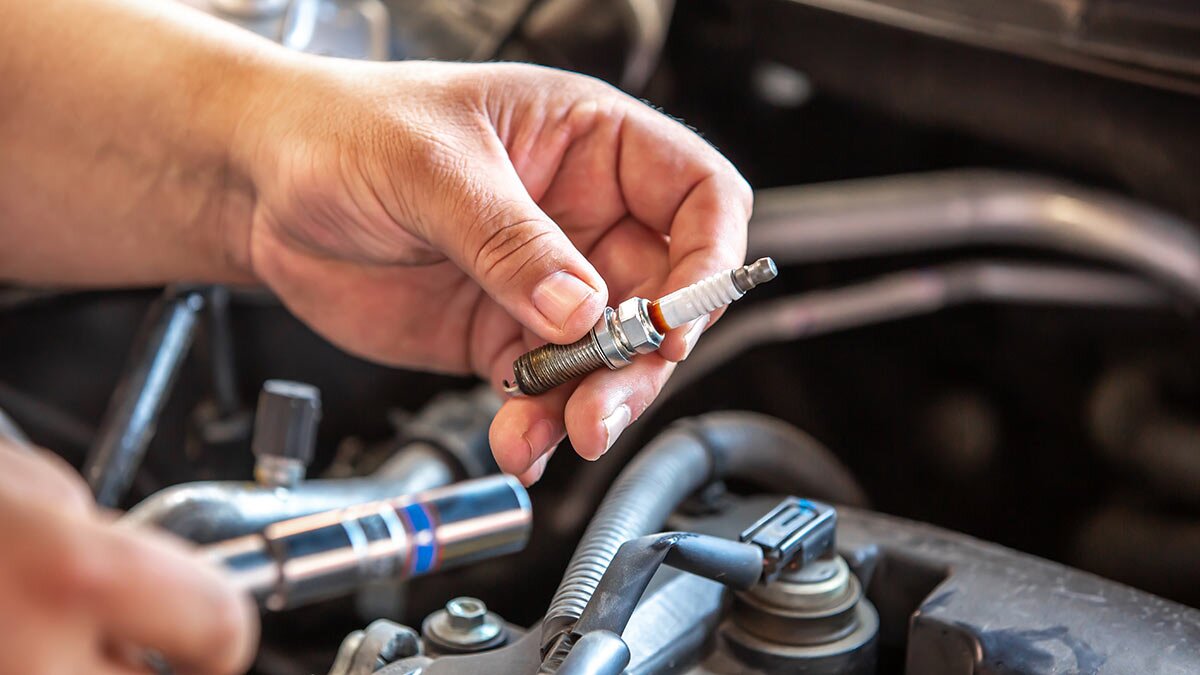
In operations that rely on service vehicles, machinery, or small engines, understanding the types of spark plugs available can make everyday maintenance faster, easier, and more effective. Whether you’re replacing plugs in older equipment or specifying parts for newer machines, choosing the right type supports uptime and long-term performance.
A Look at Different Types of Spark Plugs
From copper to iridium, spark plugs vary in material and design. Here’s a rundown to help you match plug types with your application, whether you're dealing with forklifts, compressors, or maintenance trucks.
Copper Spark Plugs
Copper plugs are commonly used in older engines with distributor-based ignition systems. They offer solid conductivity and are typically the most budget-friendly option. However, they usually require more frequent replacement. If you're trying to reduce downtime on legacy equipment, keeping a few copper plugs on hand can be a practical move.
Platinum & Double Platinum Spark Plugs
Platinum spark plugs are often specified in newer engines and tend to last longer than copper. Double platinum spark plugs have platinum on both the center and ground electrodes, which can be helpful in engines that use a waste spark ignition system.
These options may reduce the frequency of spark plug replacements, which is something to consider if your team is managing a larger fleet or multiple machines.
Iridium Spark Plugs
Iridium is one of the most durable materials used in spark plugs. These are typically specified in newer, high-efficiency engines. While iridium spark plugs are often priced higher than copper or platinum, they are designed to withstand more wear and provide consistent ignition over time.
When comparing iridium vs. platinum vs. copper spark plugs, think about your maintenance schedule, engine specs, and how long you plan to keep the equipment in service.
Other Materials and Long-Reach Spark Plugs
Some engines call for long-reach spark plugs or plugs made from materials like silver. These are usually found in specialty equipment or unique engine designs. When in doubt, always refer to the manufacturer’s specifications before choosing a plug.
Spark Plug Gap Matters
Every spark plug has a designated gap—the space where the electrical arc jumps. Too small, and the spark weakens. Too wide, and it can misfire. Make sure to check and adjust the gap using the engine's recommended specs during replacement or inspection.
Spark Plug Inspection
Regular inspection of spark plugs can reveal important information about engine health.
- Normal Wear: Light tan or gray deposits indicate proper function.
- Carbon Fouling: Black, dry soot suggests a rich fuel mixture or weak ignition.
- Oil Fouling: Oily deposits may point to worn piston rings or valve guides.
- Overheating: White, blistered insulators indicate excessive heat.
Maintaining Your Spark Plugs
In fast-moving work environments, staying on top of spark plug maintenance can help your equipment run more consistently and minimize unplanned downtime. Everyday factors like carbon buildup, oil contamination, or worn tips can impact how effectively your engine fires.
Here are a few practical steps you or your team can take to stay ahead of spark plug issues.
- Inspect for wear and damage—Take a close look at the electrodes during routine maintenance. Signs like erosion, cracks, or heavy wear can indicate it’s time to replace the plug or check for underlying engine concerns.
- Remove carbon buildup—If your engine’s idling rough or showing signs of reduced performance, carbon deposits on the plug tips might be the cause. Use a wire brush or approved cleaning tool to gently remove buildup when appropriate.
- Check the spark plug gap—The gap between the center and side electrode plays a key role in ignition. A gap that’s too wide or too narrow can lead to misfires or higher fuel use. Refer to your equipment specs to confirm and adjust the gap if needed.
Following your equipment’s recommended replacement intervals and giving plugs a quick check during regular service can support smoother operation and reduce the risk of larger issues down the line.
Final Thoughts
Selecting the appropriate spark plug type is crucial for the efficiency and longevity of your equipment in the construction and manufacturing sectors. By understanding the differences between copper, platinum, double platinum, and iridium spark plugs, you can make informed decisions that align with your operational needs and budget considerations.
Product Compliance and Suitability
The statements contained in this guide are intended for general informational purposes only. Such statements do not constitute a product recommendation or representation as to the appropriateness, accuracy, completeness, correctness, or currentness of the information provided. Information provided in this guide does not replace the use by you of any manufacturer instructions, technical product manual, or other professional resource or adviser available to you. Always read, understand, and follow all manufacturer instructions. Portions of this article were generated in part by ChatGPT, and edited by a member of the Zoro team.
