


Do Infrared Heaters Really Work?
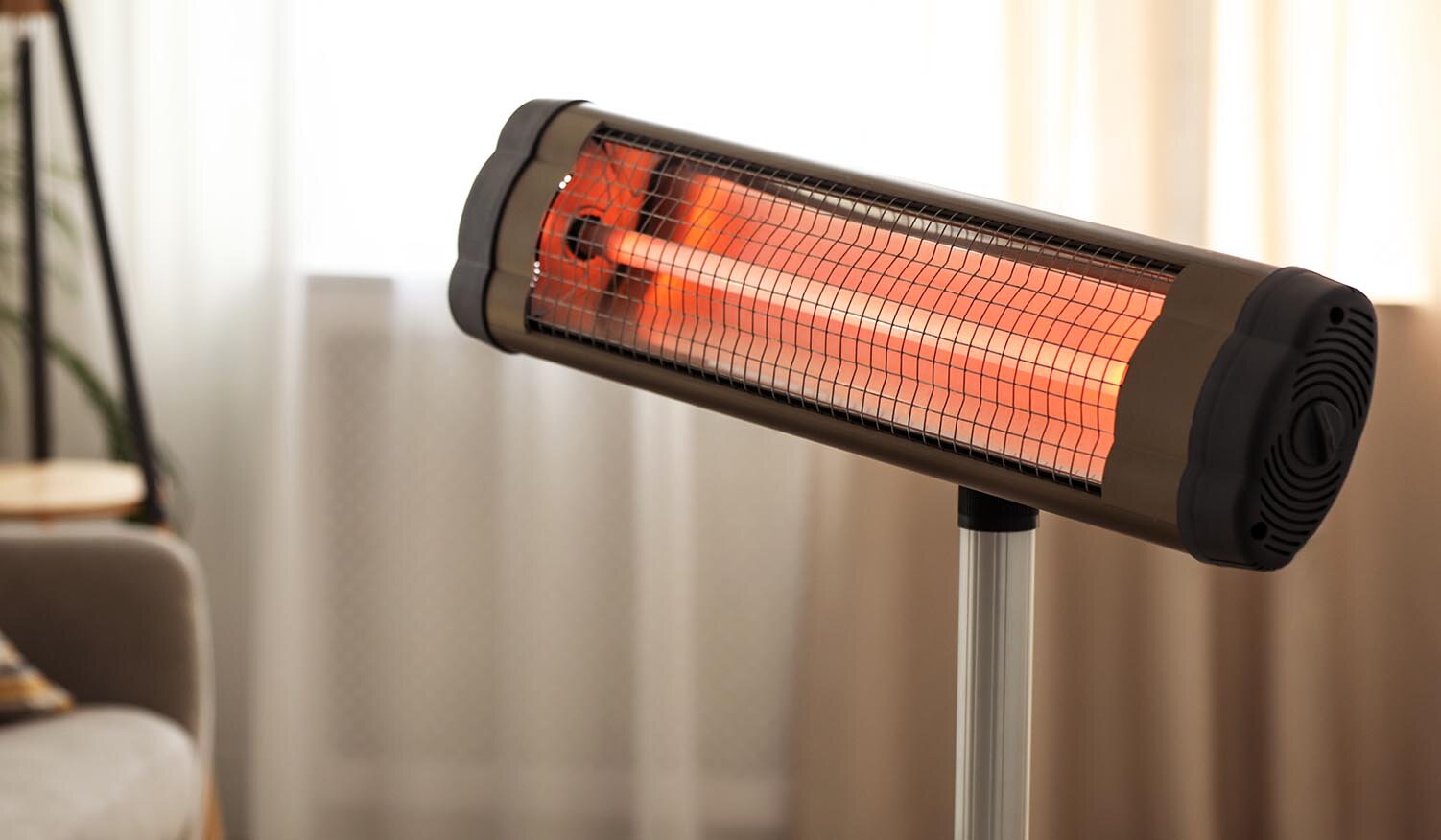
Can infrared heaters heat a house and can you leave them on all night, or are they too dangerous? This article will help you decide where you should place infrared heaters, determine what size you need for your room, and understand just how effective and efficient they are.
How Infrared Heaters Work
Infrared is a type of light produced by wavelengths of electromagnetic radiation. This light exists on a spectrum that is divided into the colors of the rainbow (each color is a different wavelength). Infrared light lands just past the spectrum of light that is visible to humans, making it invisible to the human eye.
This type of light also produces heat, known as infrared heat. In infrared heaters, a rod or quartz tube within the heater is used to activate molecules, causing them to rapidly vibrate. Energy from this vibration is built up and released as invisible, infrared radiation waves.
It’s these types of waves that make infrared heaters differ, because they target objects or people. Once the wave makes contact with an object or person, it releases its energy in the form of heat, making the object or person warmer, as opposed to warming the surrounding air.
Perhaps one of the most effective and well-known infrared heaters is the sun. Below are some frequently asked questions that often come up when people are considering infrared heaters.
FAQs About Infrared Heaters
What’s the difference between infrared heaters and electric heaters?
While infrared heaters and electric heaters can both be ideal for warming small spaces, they rely on different heating sources. Electrical heaters turn electrical current into heat, while infrared heaters depend on the activated energy of molecules. Electrical heaters are also space heaters, while infrared heaters warm the objects themselves.
Can infrared heaters cause fires?
Fossil fuels, such as kerosene or propane, are known for being highly flammable. Since infrared heaters don’t rely on these types of fuels and don’t emit pollutants like carbon monoxide, they are not known to cause fires.
Are infrared heaters dangerous?
Is there some other way that infrared heaters might be dangerous? The Infrared Heater Safety Council (IRSC) has established detailed guidelines to ensure the safest use of infrared heaters, but they are for the most part considered more safe than electric heaters since they don’t involve hot metal wires that can burn at the touch. There are some studies that have raised the question of what effect infrared heat may have on the skin.
Do infrared heaters use a lot of electricity?
According to the IRSC, infrared heaters provide an average fuel savings of up to 30 percent. In addition, they’re considered to be extremely energy efficient and use 100 percent of the heat they create.
Can infrared heaters heat a house?
Today, you can find infrared heaters that are designed for indoor, outdoor, and mixed spaces.
Can you leave an infrared heater on all of the time?
Infrared heaters remain cool to the touch and since they aren’t considered flammable, there is no clear evidence as to why it would be unsafe to leave it on for long hours, including overnight. This could, however, increase your energy costs.
What size infrared heater should I use?
Measure the length and width of your room, then multiply both numbers. This will give you the total square footage of your room. Most infrared heaters are sold based on a maximum amount of square footage that they can cover.
Where should you place infrared heaters?
While an infrared heater will work anywhere in your room, for the most efficient heating try to put it on an inside wall that is warmer in temperature. Have the heater face a colder outside wall so that the heat is gradually drawn across the room.
If you’re looking for a more energy-efficient heater that is better for the environment, or trying to solve an issue caused by small space heaters, infrared heaters could be a solid option. Their growing popularity has made them more accessible and affordable, with options that might fit any space.
Product Compliance and Suitability
The product statements contained in this guide are intended for general informational purposes only. Such product statements do not constitute a product recommendation or representation as to the appropriateness, accuracy, completeness, correctness or currentness of the information provided. Information provided in this guide does not replace the use by you of any manufacturer instructions, technical product manual, or other professional resource or adviser available to you. Always read, understand and follow all manufacturer instructions.
