


Do Mothballs Keep Mice Away? What Small Businesses Should Know
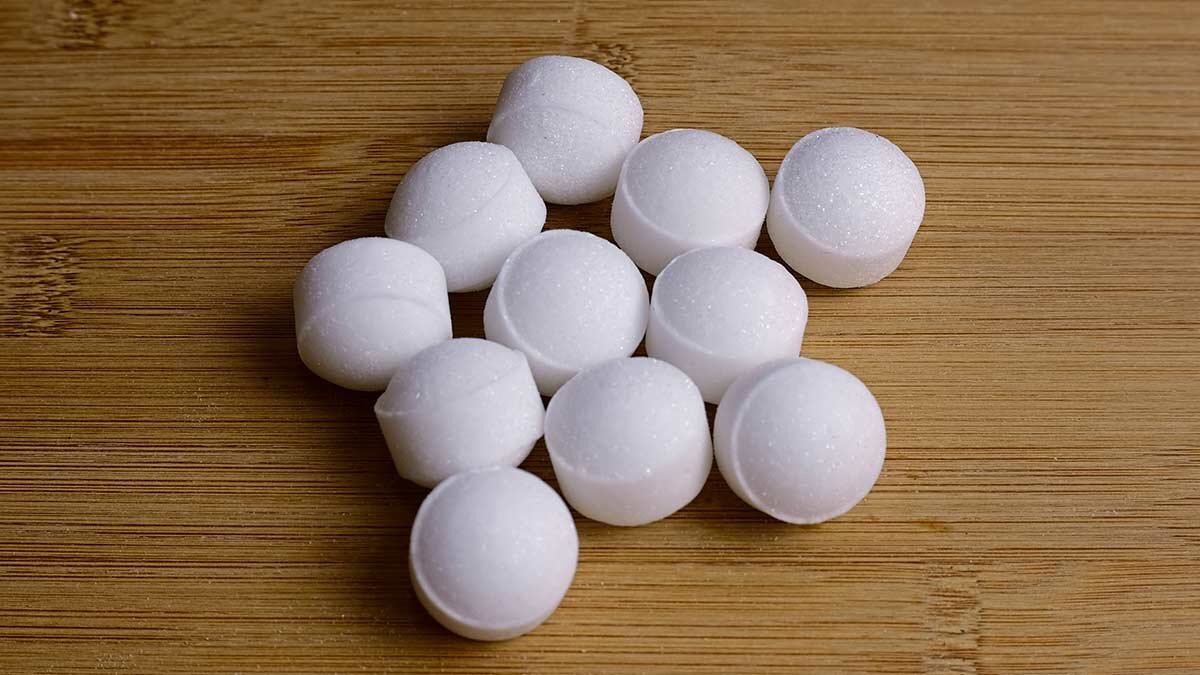
If you manage a workshop, warehouse, or restaurant, rodents can quickly turn into a costly problem. You might’ve heard advice like “use mothballs to keep mice away.” It sounds simple, but it’s not that straightforward.
Mothballs are made with chemicals such as naphthalene or paradichlorobenzene, designed to kill moths in sealed containers—not repel rodents in open spaces. When used in areas with airflow, the fumes disperse too quickly to reach the concentration needed to affect mice or squirrels. So while the smell may seem strong, it’s not powerful or long-lasting enough to deter pests in real-world conditions.
Do Mothballs Keep Mice Away?
Short answer: no.
Mice are resourceful and will return once the scent fades. Mothballs lose potency as air circulates, and even high concentrations are not proven to prevent infestations. For small businesses, this approach often wastes time and may even cause compliance issues.
Are Mothballs Safe to Use for Rodent Control?
Not really. Using mothballs outside their intended purpose can pose health, safety, and legal risks.
Regulatory Concerns: The EPA regulates mothballs as pesticides and allows their use only in sealed containers for fabric protection. Using them as a rodent repellent can violate EPA regulations.
Health Hazards: The same chemicals that make mothballs effective against moths can irritate skin, eyes, and lungs. In enclosed spaces, they can be hazardous to employees or customers.
Environmental Impact: Outdoors, mothball chemicals can seep into soil or water, harming landscaping or wildlife.
Natural Alternatives to Mothballs
If you’re looking for safer options, there are natural rodent control methods that work better and align with EPA guidelines. Try incorporating these into your facility’s maintenance plan.
Prevent Rodent Infestations Before They Start
Long-term prevention keeps your workspace cleaner, safer, and more compliant. Focus on a few proven strategies.
Seal entry points with caulk, flashing, or steel mesh.
Improve sanitation—store food and trash securely.
Manage waste promptly and schedule regular cleaning.
Inspect regularly for droppings, gnaw marks, or nesting materials.
Train employees to recognize early warning signs.
Hire a professional if problems persist or compliance is at risk.
These steps align with best practices from the EPA and professional pest management organizations. For more ways to safeguard your space, check out 6 Tips to Prevent Rodents in Your Facility on Zoro’s Resource Hub. It’s a quick guide with practical advice any business can put into action.
Why Safe Rodent Control Matters for Small Businesses
Rodents don’t just damage products; they threaten your reputation and employee safety. By choosing safe, natural alternatives instead of mothballs, you protect your property and demonstrate care for your people and your community.
If you’re ready to strengthen your pest prevention strategy, explore Zoro’s rodent control and facility maintenance products to find solutions that keep your business running smoothly.
Product Compliance and Suitability
The statements contained in this guide are intended for general informational purposes only. Such statements do not constitute a product recommendation or representation as to the appropriateness, accuracy, completeness, correctness, or currentness of the information provided. Information provided in this guide does not replace the use by you of any manufacturer instructions, technical product manual, or other professional resource or adviser available to you. Always read, understand, and follow all manufacturer instructions. Portions of this article were generated in part by ChatGPT, and edited by a member of the Zoro team.
