


Drill Bit Angle Guide: How to Pick & Use the Ideal Point Angle
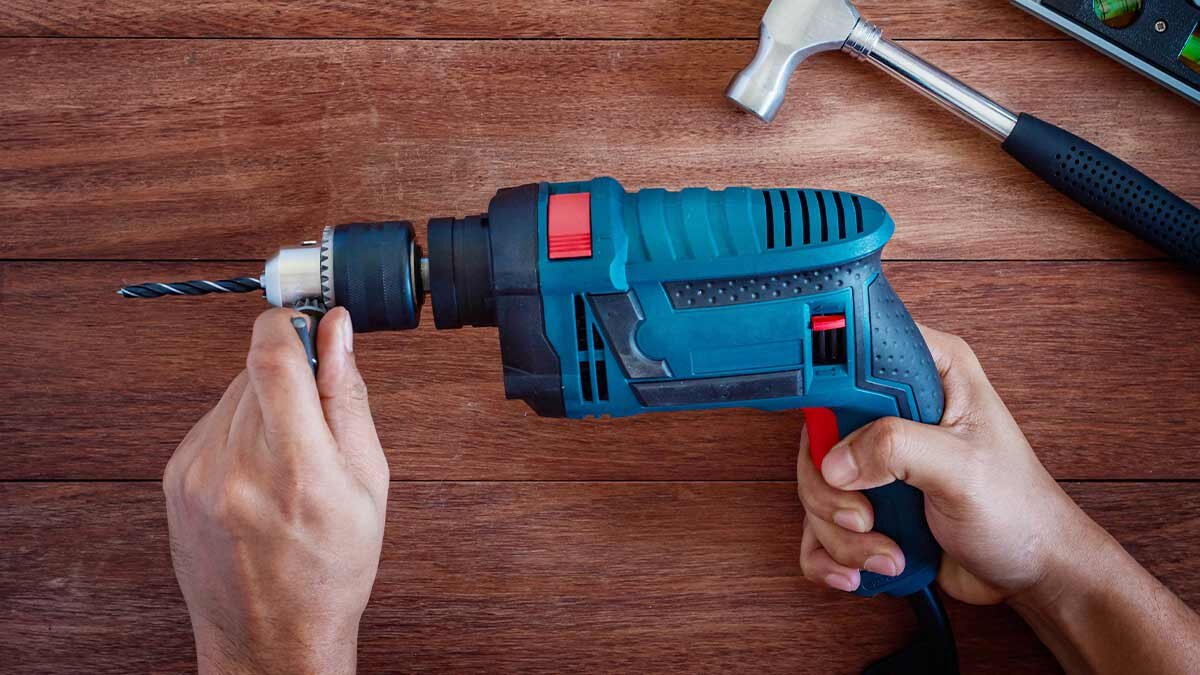
Whether you’re drilling metal, maintaining machinery, or managing a fabrication team, drill bit angles play a bigger role than most people realize. The right point angle can make cutting smoother, extend bit life, and improve precision, all while keeping your operation running efficiently. This guide explains how drill bit angles work, when to choose 118°, 135°, or other point angles, and how to measure and sharpen your bits for top performance.
What Is a Drill Bit Angle, and Why Does It Matter?
A drill bit’s point angle is the angle formed at the tip where both cutting edges meet. This angle determines how the bit enters the material, how chips are removed, and how heat builds up during drilling.
Sharper angles (around 118°) cut quickly and start easily but wear faster.
Flatter angles (around 135°) handle heat better and last longer, though they need more force to begin cutting.
Matching the correct drill bit angle to your material reduces wear, prevents wandering, and creates cleaner holes, especially for repeat jobs in a production setting.
Which Point Angle Should You Use?
Choosing a point angle depends on the type of material and the precision you need. Here’s a quick reference chart you can post near your tool station.
How to Measure Drill Bit Angles
You don’t need a high-end setup to measure your drill bit angles accurately. Try one of these simple methods:
Use a drill point gauge to compare your bit’s tip to standard 118° or 135° angles.
A digital protractor offers quick readouts for sharpening or verification.
For consistent results, always measure both cutting edges and ensure symmetry.
Regular checks can prevent performance issues and reduce waste from over-grinding.
How to Sharpen Drill Bits Correctly
Keeping drill bits sharp isn’t just good maintenance; it’s smart business. A properly sharpened bit cuts cleaner, runs cooler, and helps your team stay productive.
Align the bit to your target angle.
Grind evenly on both cutting lips.
Maintain relief behind the cutting edge for smooth chip flow.
Cool the bit frequently using water or cutting fluid to prevent overheating.
Best Practices for Better Drill Bit Performance
Drill bit performance isn’t just about material or coating. The right combination of point angle, feed rate, and cooling method determines how long your bit lasts and how cleanly it cuts.
Keep these best practices in mind:
Apply cutting fluid to control heat buildup.
Maintain a steady feed rate instead of forcing the bit.
Periodically back out the bit to clear chips and reduce friction.
With the correct standard drill point angle and sharpening routine, even small workshops can achieve efficiency that rivals large-scale production.
Common Questions About Drill Bit Angles
What’s the difference between a 118° and a 135° drill bit?
A 118° drill bit starts faster and works best on softer materials, while a 135° bit resists heat and wandering, making it ideal for harder metals.
How do I know if my drill bit needs sharpening?
Look for dull edges, increased heat, or slower drilling. If the bit struggles to start or squeals against the surface, it’s time to resharpen.
What tool measures drill bit angles?
Use a drill point gauge for quick checks or a digital angle finder for precise measurements.
Can I use one drill bit angle for all materials?
It’s possible but not ideal. Using one universal angle reduces efficiency and may wear the bit faster. Keep multiple angles available to match different materials.
Final Takeaway
Understanding drill bit angles isn’t just about technical know-how—it’s about getting better results with every hole. Whether you’re working with stainless steel, aluminum, or composites, pairing the right point angle with proper sharpening helps you cut costs, reduce downtime, and extend tool life. Explore Zoro’s full selection of drill bits and sharpening tools to keep your operation running smoothly.
Product Compliance and Suitability
The statements contained in this guide are intended for general informational purposes only. Such statements do not constitute a product recommendation or representation as to the appropriateness, accuracy, completeness, correctness, or currentness of the information provided. Information provided in this guide does not replace the use by you of any manufacturer instructions, technical product manual, or other professional resource or adviser available to you. Always read, understand, and follow all manufacturer instructions. Portions of this article were generated in part by ChatGPT, and edited by a member of the Zoro team
