
Drywall Screw Size Chart
Choose the Right Screw Length, Gauge, and Thread Type for Secure, Clean Drywall Installation
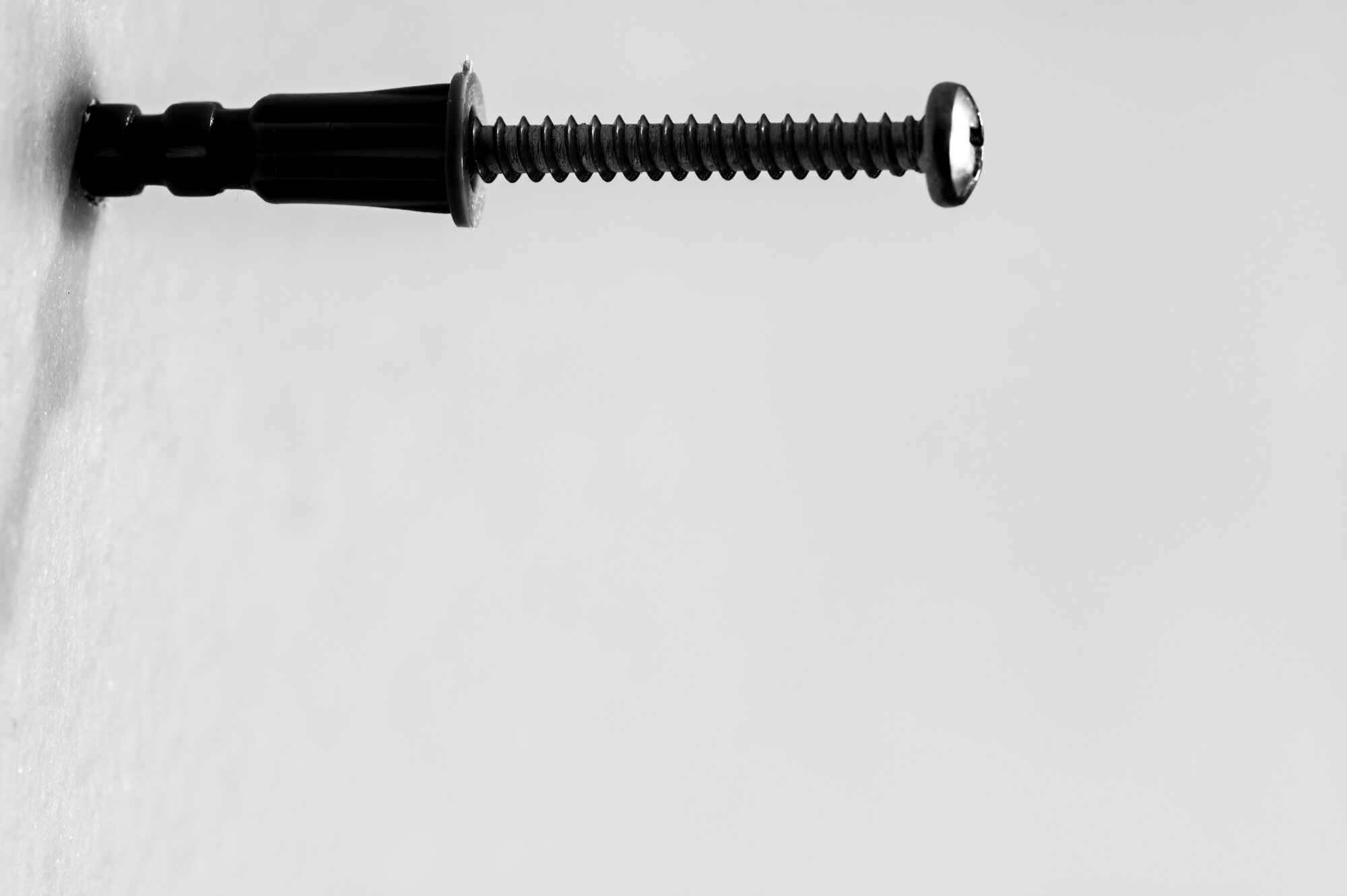
Drywall Screw Size Chart: Choosing the Right Fastener
In commercial construction, "close enough" doesn't cut it. Whether you are framing with 20-gauge cold-rolled steel or installing Type X fire-rated assemblies in a high-rise, the fastener is the literal linchpin of the system. Selecting the correct drywall screw is a matter of meeting UL-rated assembly requirements and ensuring long-term structural integrity. This guide provides the technical breakdown of drywall screw sizes, gauges, and thread types required for professional-grade installations, specifically tailored to the rigorous demands of the modern job site.
Drywall Screw Size Chart
| Drywall Thickness | Application Type | Stud Material | Screw Gauge & Thread | Length | Est. Count per lb |
|---|---|---|---|---|---|
| 1/4" to 3/8" | Radius/Curved Walls | Wood / Light Metal | #6 Coarse or Fine | 1" – 1-1/8" | ~330 |
| 1/2" | Standard Commercial | Wood Studs | #6 Coarse | 1-1/4" | ~300 |
| 1/2" | Standard Commercial | Light Gauge Metal | #6 Fine | 1-1/4" | ~300 |
| 5/8" | Fire-Rated (Type X) | Wood Studs | #6 Coarse | 1-5/8" | ~230 |
| 5/8" | Fire-Rated (Type X) | Light Gauge Metal | #6 Fine | 1-5/8" | ~230 |
| Double Layer | Fire/Sound Assemblies | Wood or Metal | #8 Coarse/Fine | 2-1/4" + | ~130 |
| Any | Heavy Structural | Heavy Gauge Steel | #8 Self-Drilling | Varies | ~150 |
Thread Types: Fine vs. Coarse
Drywall screw size isn’t the only factor; the "teeth" of the screw matter just as much. Your choice here depends entirely on what is behind the drywall.
1. Coarse-Thread Screws
These have wide, sharp threads designed to bite into wood studs. Because wood is a porous material, the wide threads provide a superior grip.
- Best for: Standard home framing.
2. Fine-Thread Screws
These feature more threads per inch and are designed for metal studs. Fine threads are self-tapping, meaning they can cut through thin-gauge metal without stripping the hole.
Best for: Commercial buildings or basement finishing using steel framing.
Key Applications by Size
The 1-1/4" Screw: The Industry Workhorse
If you are hanging standard 1/2-inch drywall on wood studs, the 1-1/4" screw is your best friend. It provides approximately 3/4" of penetration into the stud, which is the "sweet spot" for stability without the risk of hitting electrical wires buried deep in the wood.
The 1-5/8" Screw: The Ceiling Specialist
5/8-inch drywall is significantly heavier and is typically used for ceilings to prevent sagging. Because of the extra weight, you need more "meat" in the stud. A 1-5/8" screw ensures the panel stays put over time, even under the stress of gravity.
Longer Screws (2" to 3")
These are rarely used for single layers of drywall. Instead, they are reserved for double-layer installations (often for soundproofing or fire-coding) or when you are installing drywall over an existing material like old plaster or wood paneling.
Critical Technical Considerations for Commercial Projects
1. Gauge and Penetration (Self-Tapping vs. Self-Drilling)
Commercial framing often utilizes different thicknesses of steel.
- Fine Thread (Type S): Designed for light-gauge steel studs (25-20 gauge). The sharp point pierces the metal easily.
- Self-Drilling (Tek/Drill Point): Essential for structural steel (18 gauge and thicker). A standard fine-thread screw will often burn its tip before it penetrates structural steel; a drill-point tip is required to create its own pilot hole.
2. Corrosion Resistance and Coating
Commercial environments may require specific coatings. While standard black phosphate is common, zinc-plated or ceramic-coated screws are often specified for high-moisture areas (like commercial kitchens or hospitals) or for use with pressure-treated lumber to prevent galvanic corrosion.
Product Compliance and Suitability
The statements contained in this guide are intended for general informational purposes only. Such statements do not constitute a product recommendation or representation as to the appropriateness, accuracy, completeness, correctness, or currentness of the information provided. Information provided in this guide does not replace the use by you of any manufacturer instructions, technical product manual, or other professional resource or adviser available to you. Always read, understand, and follow all manufacturer instructions. Portions of this article were generated in part by ChatGPT.
