


Electrical Safety 101: Circuit Breakers, Load Centers, and Fuses
Take a deep dive into the three integral parts related to electricity—circuit breakers, load centers, and fuses—and how to use them safely.
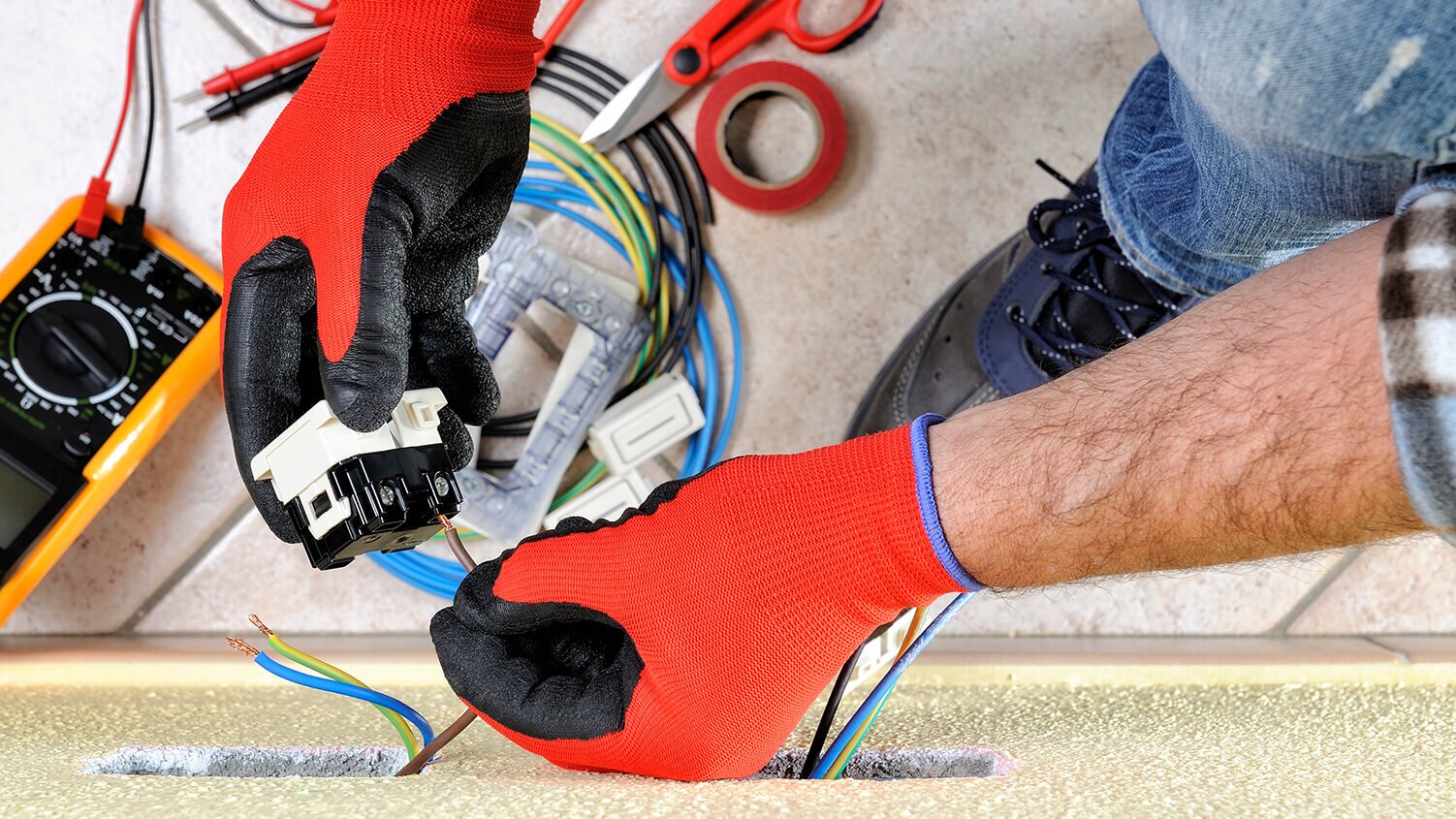
Electrical safety is paramount on any job site. When electrical issues occur, a licensed electrician should always be involved. An electrical accident at your worksite could be devastating, injuring employees and costing you greatly. By using best practices in electrical safety, you’ll ensure a safe workplace and remain compliant with OSHA.
In this post, we’ll be providing you key tips on the three main pieces of equipment needed in the electrical ecosystem: circuit breakers, load centers, and fuses. Learn what they are and their significance to electrical safety.
What Is a Circuit Breaker?
Circuit breakers act as an automatic electrical switch, protecting an electrical circuit from damage. Overloads or short circuits normally cause this damage. A circuit breaker interrupts the current flow after a fault is detected. Circuit breakers, unlike fuses, don’t have to be replaced but instead can be reset. This reset either happens manually or automatically.
A circuit breaker can be most any size from very small, only operating circuits in a specific space, to large ones that power an entire city. Circuit breakers have become the prominent equipment for controlling electricity in most residential and commercial structures.
How Does a Circuit Breaker Provide Electrical Safety?
The main objective of a circuit breaker is detecting a fault and interrupting the circuit. Circuit breakers carry the load current without any excessive heat. It must also withstand the arc’s heat when opening the circuit. An arc is created when a high current or voltage is interrupted. The arc must be cool and contained, ensuring that the heat doesn’t cause a fire.
 What Are Load Centers?
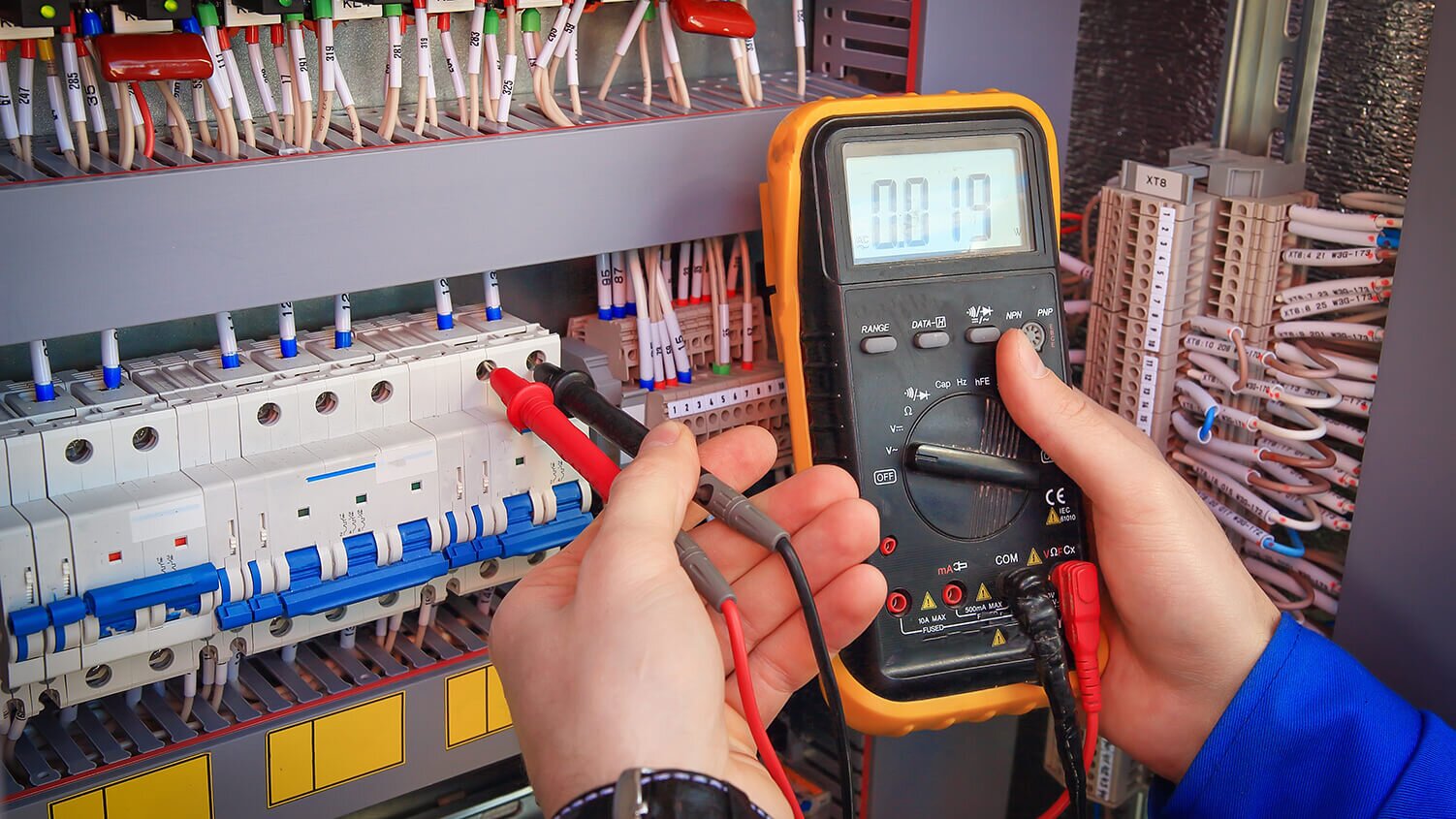
Panelboards, used in either residential or light commercial settings, are defined as load centers. In the industry, there is no distinction between the terms panelboard and load center. Any rule that applies to panelboards also applies to load centers.
This panelboard can be single or grouped and may include buses and overcurrent devices. They are equipped with or without switches, and those switches can control light, heat, or power circuits. Typically, their form is engineered to reside in a cabinet or cutout box. It may also be placed against a wall or other structure. It is accessible only from the front, according to regulations.
A load center has three parts: an enclosure, interior, and trim. Cold rolled steel makes up the enclosure when inside. If outside, galvanized steel is used. The job of the load center is to provide both component and personnel protection.
The Role of Load Centers in Electrical Safety
With load centers, electrical service panels act as a switchboard for all points of electricity. The load center handles the incoming energy from the utility then distributes it to each circuit to power a variety of things from technology to light to heat.
It also acts as a point to shut off electricity into a building in the event that electrical work needs to be completed. Without this box, it would be much more dangerous to rewire buildings and homes. Within the load panel, you can access all the circuit breakers for further safety.

What Is a Fuse?
A fuse is an electrical safety device built encircling a conductive strip, which will melt and separate in the event of excessive current. A fuse is always connected in a series with the components, receiving protection from overcurrent.
Fuses can blow. Blowing means it opens and stops the current through the component. Once a fuse has blown, it must be replaced. A fuse has a wire contained within a non-combustible sheath. This design minimizes the possibility of an arc blast, should the wire violently burn open. This reaction can occur with massive overcurrents.
Fuses in residential wiring have mostly been replaced by circuit breakers. However, they still have a purpose in preventing single high current or overload damage. The equipment or appliance doesn’t suffer damage—only the replaceable fuse.
Fuses Still Have Value in Electrical Safety
One advantage of using fuses is that over time, devices that have tripped frequently could begin to have reserved capacity. The fuse is always replaceable and not degraded by previous faults. Fuses are also cost-effective, have high interrupting ratings, are reliable, and deliver component protection.
Always remember to work with experts when it comes to electrical repairs. Using the right products for the job is essential as well. Ensure you know the basics of electrical safety and equipment before you start any project.
Product Compliance and Suitability
The product statements contained in this guide are intended for general informational purposes only. Such product statements do not constitute a product recommendation or representation as to the appropriateness, accuracy, completeness, correctness or currentness of the information provided. Information provided in this guide does not replace the use by you of any manufacturer instructions, technical product manual, or other professional resource or adviser available to you. Always read, understand and follow all manufacturer instructions.
