
Electronic Solenoid Valve Guide
Electric solenoid valve guide: N.C. vs. N.O. types, voltages & media specs.
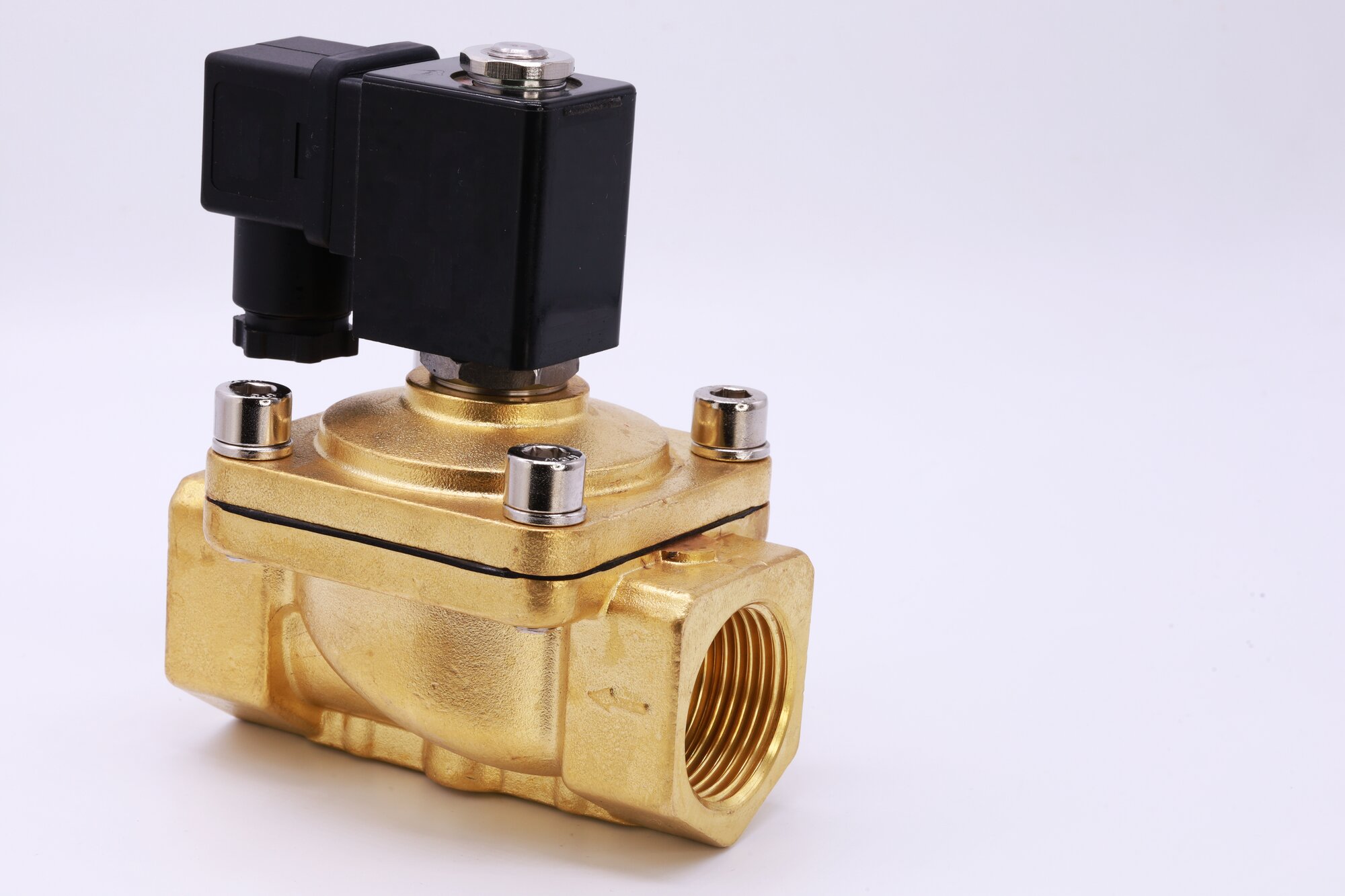
Electric Solenoid Valves: A Comprehensive Guide
In the landscape of modern engineering, the ability to bridge the gap between electronic control and physical movement is vital. The electric solenoid valve is the primary tool used to achieve this. By converting electrical energy directly into mechanical linear motion, these valves allow computers, PLCs, and simple switches to control the flow of liquids and gases with millisecond precision.
Whether you are designing a high-end coffee machine, an industrial car wash, or a complex chemical processing plant, understanding the nuances of the electric solenoid valve is essential for system reliability and safety.
- Anatomical Breakdown: How it Functions
- Understanding “Ways” and “Positions”
- Choosing the RIght type of Operation
- Environmental Protection: NEMA and IP Ratings
- Technical Specifications: The Selection Criteria
Anatomical Breakdown: How it Functions
An electric solenoid valve consists of two main functional modules: the solenoid operator (the electrical half) and the valve body (the mechanical half).
The Solenoid Operator
This component sits on top of the valve. It contains a "solenoid"—a coil of copper wire. When an electric current passes through this coil, it creates a concentrated magnetic field. Inside the hollow center of the coil is a plunger or armature, typically made of a ferromagnetic material like stainless steel. The magnetic field pulls this plunger upward, overcoming a return spring.
The Valve Body
The body contains the inlet and outlet ports. Inside, an orifice serves as the gateway for the fluid. Attached to the bottom of the plunger is a seal—often a rubber disc. In a "normally closed" configuration, the spring pushes the plunger down to block the orifice. When the coil is energized, the plunger lifts, the seal breaks contact with the orifice, and the fluid flows through.
Understanding "Ways" and "Positions"
One of the most confusing aspects for beginners is the terminology used to describe the valve's configuration. An electric solenoid valve is categorized by how many ports it has and how many paths the fluid can take.
- 2-Way Valves: These have one inlet and one outlet. They are used exclusively for "On/Off" control.
- 3-Way Valves: These have three ports (Inlet, Outlet, and Exhaust). They are commonly used to operate single-acting pneumatic cylinders, where the valve applies pressure to move the cylinder and then exhausts that pressure to allow it to retract.
- 4-Way Valves: Featuring four or more ports, these are used to control double-acting actuators, allowing the electric solenoid valve to toggle pressure between two different sides of a piston to move it back and forth.
Choosing the Right Type of Operation
Not every electric solenoid valve operates in the same way. The internal mechanics are usually dictated by the pressure of the fluid and the required flow rate.
1. Direct-Acting Valves
In a direct-acting valve, the solenoid's magnetic force is the only thing opening the valve. These are incredibly fast and can operate from "zero pressure" (meaning they don't need a pressure difference to work). However, they are limited to smaller sizes. If the valve is too large, the fluid pressure pushing against the seal would be too strong for a standard electrical coil to lift.
2. Pilot-Operated (Indirect-Acting) Valves
For high-flow applications, pilot-operated valves are used. These valves use the energy of the fluid itself to do the heavy lifting. The solenoid opens a tiny pilot hole, which creates a pressure imbalance across a large diaphragm or piston. This imbalance causes the diaphragm to lift. Because they rely on fluid pressure, these valves usually require a minimum pressure differential (often around 5 PSI) to function. If there is no pressure in the line, the valve will not open, even if it has power.
Environmental Protection: NEMA and IP Ratings
Because an electric solenoid valve often operates in harsh environments—such as outdoors, in wash-down food plants, or in explosive chemical factories—the "housing" of the coil is just as important as the valve itself.
- IP65/IP67: These ratings ensure the electrical coil is protected against dust and water jets.
- NEMA 4/4X: Indicates a high level of protection against corrosion and rain, common in wastewater treatment plants.
- Explosion-Proof (Class I, Div 1): These specialized coils are designed to contain any internal spark, preventing them from igniting flammable gases in the surrounding atmosphere.
Energy Efficiency and Modern Innovation
Standard electric solenoid valve coils can consume a significant amount of power and generate heat if left on for long periods. This has led to two major innovations:
- Latching Solenoids: These valves use a permanent magnet to stay in the "open" position. They only require a short pulse of electricity to switch states, making them ideal for battery-powered or remote applications.
- Power Reduction Circuits: Some modern valves use a "hit and hold" strategy. They use a high-power burst to snap the valve open and then automatically drop the voltage by 50% to hold it open, drastically reducing heat and energy consumption.
Technical Specifications: The Selection Criteria
Selecting an electric solenoid valve requires more than just knowing the pipe size. Engineers must account for several variables to prevent premature failure.
Voltage and Duty Cycle
Solenoid coils come in various voltages, including 12V DC, 24V DC, 120V AC, and 240V AC.
- DC Coils are generally quieter and more stable.
- AC Coils can provide a stronger initial "inrush" current to snap the valve open but can "hum" if the armature isn't perfectly seated.
The Duty Cycle is also critical. If a valve is "100% Duty Cycle" (Continuous Duty), it can stay energized indefinitely without overheating. "Intermittent Duty" valves will burn out if left on for too long.
Sealing Materials (Chemical Compatibility)
The "media" (the fluid inside the pipe) determines what the internal seals should be made of:
- Buna-N (Nitrile): Great for general purpose, water, and oils.
- Viton (FKM): Required for high temperatures and harsh chemicals/fuels.
- EPDM: Ideal for outdoor use and steam, but should never be used with oils.
Common Applications and Industry Use
The versatility of the electric solenoid valve makes it the "go-to" component across dozens of industries:
- Pneumatics: Controlling the air cylinders that move robotic arms on factory floors.
- Water Treatment: Managing the backwash cycles in filtration systems.
- Commercial Kitchens: Precise dosing of water in professional dishwashers and steam ovens.
- Agriculture: Controlling irrigation zones via a central timer.
The electric solenoid valve is a perfect marriage of electrical and mechanical engineering. By understanding whether you need a direct-acting or pilot-operated model, and by matching your seal materials to your fluid, you can ensure a control system that is both precise and durable. As automation continues to expand, these "silent orchestrators" will remain the backbone of fluid control technology.
Product Compliance and Suitability
The product statements contained in this guide are intended for general informational purposes only. Such product statements do not constitute a product recommendation or representation as to the appropriateness, accuracy, completeness, correctness, or currentness of the information provided. Information provided in this guide does not replace the use by you of any manufacturer instructions, technical product manual, or other professional resource or adviser available to you. Always read, understand, and follow all manufacturer instructions.
