
Emergency Supplies Checklist for Winter Storms
Prepare your facility for winter storms, ice, and power outages.
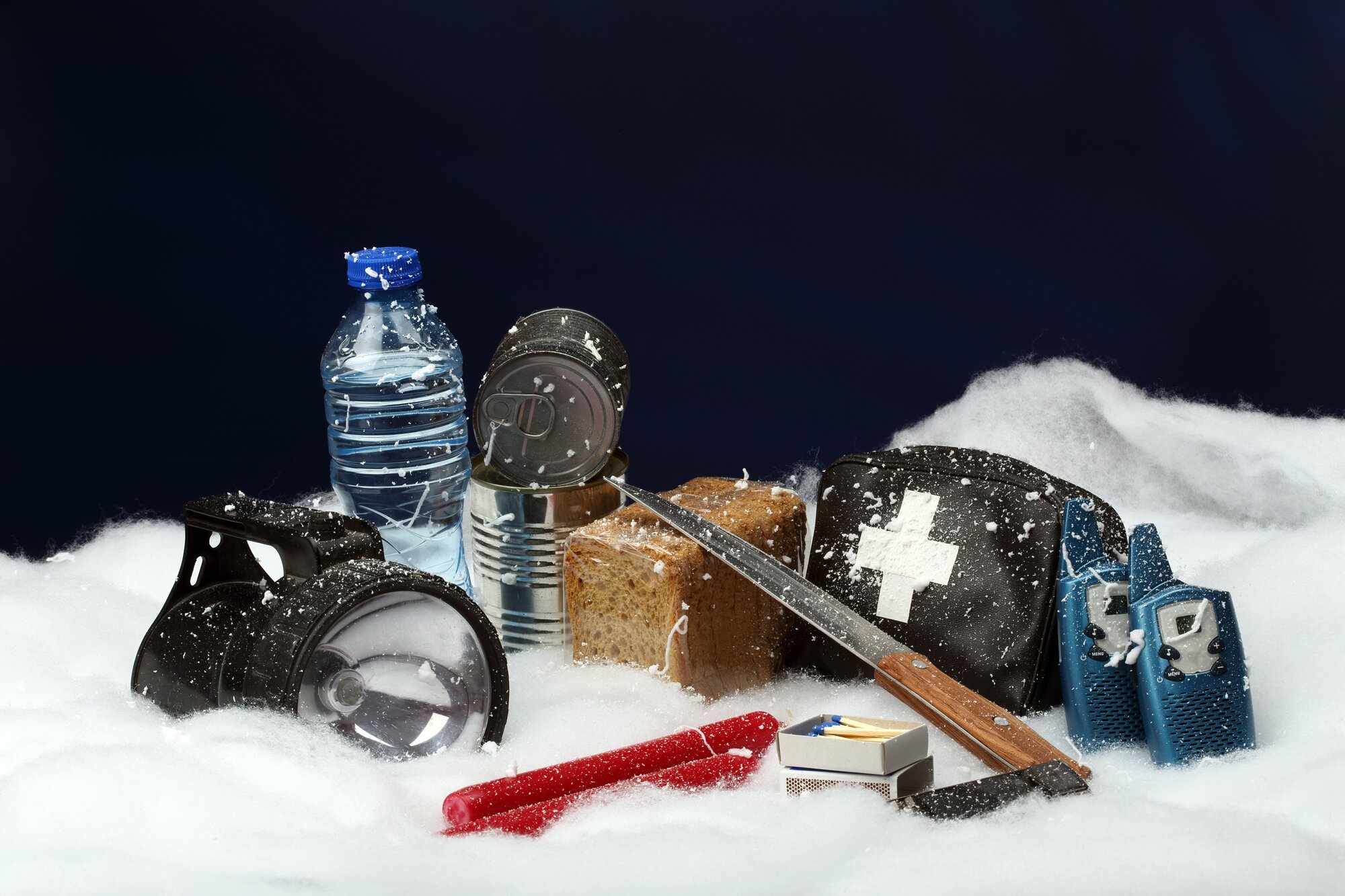
Emergency Supplies for Winter Storm Preparedness at Your Facility
A winter storm can turn a routine maintenance issue into an emergency. A cold loading dock becomes a freeze risk for nearby plumbing. A power outage leaves crews without adequate lighting. Ice closes an entrance just as employees need a safe route out.
Choosing emergency supplies for winter storm response means preparing for these failures before conditions deteriorate. For facility and operations teams, the goal is to protect people, preserve critical systems, and recognize when a controlled shutdown is the safest option.
Start With a Winter Storm Preparedness Checklist
Focus preparation on the systems your facility cannot safely lose. Depending on the building, that may include heat, fire protection, refrigeration, server-room cooling, or water service. Identify what each system needs to remain functional during an outage and how it should be secured if backup power is unavailable.
Use these four priorities to organize the response:
☐ Establish action triggers. Assign an emergency lead and define when weather alerts, unsafe travel, or utility failures will prompt reduced operations, closure, or sheltering in place.
☐ Confirm critical-system coverage. Verify which equipment receives backup power, how long it can operate, and who handles shutdowns or service calls.
☐ Prepare vulnerable locations. Address exposed plumbing, drafty mechanical spaces, outdoor materials, and entrances likely to become inaccessible.
☐ Stage supplies for the expected outage. Place lighting, communications equipment, protective materials, and supplies for onsite personnel where crews can reach them safely.
A snow storm preparation checklist should also account for plowing and emergency access. For an ice storm, anticipate that downed branches and slippery surfaces may prevent crews or service contractors from reaching the building. Make essential preparations while access is still reliable.
Winter Storm Emergency Supplies for Facilities
Stock these essentials for the number of people who may remain onsite and the expected duration of restricted access. Keep them accessible if an entrance or loading dock closes.
☐ Drinking water, shelf-stable food, a manual can opener, and sanitation supplies.
☐ First-aid supplies, blankets, warm clothing, and task-appropriate winter PPE.
☐ Flashlights, headlamps, portable work lights, compatible batteries, and charged power banks.
☐ A battery-backed emergency alert radio and printed emergency contacts and procedures.
☐ Snow shovels, suitable ice melt or traction material, entrance mats, and barricades.
☐ Approved portable electric heaters, compatible heating cables, heavy-duty tarps, and canopies suited to the conditions and used within documented limits.
Keep Pipes and Critical Areas Protected During a Deep Freeze
Prioritize mechanical rooms, loading docks, exterior-facing plumbing, and vacant or unconditioned spaces. Temperatures in these locations can differ substantially from the occupied areas served by the building thermostat. Inspect insulation and drafts, and monitor conditions near the pipes most exposed to cold.
Heating cables can help protect vulnerable piping when selected and installed for the application. Check compatibility with the pipe material and follow the manufacturer’s requirements for attachment, insulation, controls, and electrical protection. Never overlap or cut a cable unless its instructions specifically allow it. The American Red Cross recommends purpose-made pipe insulation and listed heating products for exposed water lines.
Portable electric heaters can provide supplemental warmth in suitable, supervised areas when central heat is reduced. Follow facility procedures, confirm circuit capacity, and plug portable space heaters directly into appropriate wall outlets. Keep combustibles at least 3 feet away, or farther if required by the manufacturer, and turn heaters off when unattended. CPSC heater guidance explains these fire-prevention precautions.
Both heating cables and electric heaters depend on power. When selecting emergency supplies for ice storm response, pair these products with a realistic outage plan. If heat cannot be maintained, qualified personnel may need to isolate and drain designated plumbing systems. Fire sprinkler systems require separate impairment procedures; they should never be treated as ordinary plumbing shutdowns. Have suspected frozen piping assessed, and never use an open flame to thaw it.
Prepare for a Power Outage Before Visibility Becomes a Problem
Lighting should allow employees to move safely and maintenance crews to reach the equipment that needs attention. Stage battery-powered lights near entrances, stairwells, mechanical rooms, and designated response areas before an outage. Portable lights supplement, rather than replace, required emergency lighting and exit signs.
Tower lights provide broad coverage for a work area, while spotlights help crews inspect a specific valve, panel, or leak. Choose equipment with suitable moisture and operating-temperature ratings, stable placement, and enough runtime for the intended task. Size the battery inventory around the number of devices and expected operating hours, allowing for cold-weather performance as specified by the manufacturer.
Keep a battery-backed NOAA Weather Radio available when internet or cellular service is disrupted. Test reception where it will be used and retain another alert channel, such as official mobile alerts or local broadcast radio. National Weather Service radio guidance can help with setup. Employees should also know how and when to check in with the emergency lead.
If the facility uses a generator, have qualified personnel verify its loads and approved connection arrangements beforehand. Never backfeed building wiring through a wall outlet. Portable generators must remain outdoors, at least 20 feet from doors, windows, and vents, with exhaust directed away from occupied spaces. Loading bays and enclosed temporary shelters are not safe operating locations. Follow CDC carbon monoxide precautions and manufacturer instructions for weather protection.
Create Temporary Dry Protected Work Areas
Move sensitive tools, materials, and equipment indoors before the storm whenever possible. Where a limited repair or staging task must take place outside, suitable tarps and temporary shelters may help keep the work area dry while conditions permit safe use.
Choose heavy-duty tarps for their dimensions, weather resistance, and attachment points. Secure them without blocking walkways, exits, ventilation, or access to controls. Position covers so water cannot collect and spill onto equipment or travel paths.
Canopies require closer attention to weather limits. A “heavy-duty” description does not establish a wind or snow-load rating. Use only within the manufacturer’s documented limits, with the specified anchoring, and stop work before conditions become unsafe. An unrated canopy should not serve as shelter during accumulating snow or high winds. Arrange protection before the storm instead of relying on crews to install it on icy surfaces or in poor visibility.
When to Maintain Operations and When to Shut Down Safely
Continue operations only while the facility can support safe occupancy and essential work. Loss of heat, lighting, fire protection, sanitation, or safe access may require limiting activity or closing the building. Set those decision points in advance so crews can secure equipment before conditions worsen.
A shutdown should follow the facility’s equipment procedures and address vulnerable water lines, exposed materials, and systems that require monitoring. Communicate the building’s status and identify who remains onsite. Plan closure early enough to consider employee travel; if roads are already unsafe, follow the designated shelter-in-place plan and local emergency instructions.
For crews performing necessary outdoor work, provide appropriate winter PPE, warm-up breaks, and reliable check-ins. Keep people away from falling ice, damaged trees, and downed lines. OSHA’s winter weather guidance identifies the cold-exposure, slip, and travel hazards that should shape these decisions.
Post-Storm Recovery Checklist
Power restoration is the start of recovery. Before reopening, concentrate on three checks:
☐ Assess building and utility damage. Inspect accessible areas for leaking pipes, water intrusion, and exterior damage; isolate hazards and arrange qualified evaluation where needed.
☐ Verify safe occupancy and restart. Confirm usable access routes, working heat and lighting, and functioning fire protection before restarting equipment under its established procedures. Have wet electrical equipment evaluated before energizing it.
☐ Restore readiness. Dry and inspect temporary protection, replenish depleted supplies, and update the response plan based on actual failures or shortages.
Build Your Winter Storm Emergency Supply Kit
Build an inventory that matches the facility’s exposure and response tasks. Group winter storm emergency supplies by the job they need to perform:
☐ Freeze protection: Compatible heating cables and facility-approved portable electric heaters, with suitable power and supervision.
☐ Response lighting: Tower lights for work areas and spotlights for inspections, supported by compatible bulk batteries and charged packs.
☐ Emergency information: A battery-backed emergency alert radio with tested local reception.
☐ Temporary weather protection: Heavy-duty tarps and properly anchored canopies suitable for the conditions and used within documented limits.
Keep these emergency supplies for winter storm response alongside drinking water, food, first aid, warm clothing, and snow-and-ice control materials for the people who may remain onsite. Confirm quantities and equipment readiness before winter, then replenish the kit after each use.
Shop winter emergency preparedness supplies for facility maintenance, storm response, and cold-weather protection.
Product Compliance and Suitability
The statements contained in this guide are intended for general informational purposes only. Such statements do not constitute a product recommendation or representation as to the appropriateness, accuracy, completeness, correctness, or currentness of the information provided. Information provided in this guide does not replace the use by you of any manufacturer instructions, technical product manual, or other professional resource or adviser available to you. Always read, understand, and follow all manufacturer instructions. Portions of this article were generated in part by ChatGPT.
