


Expert Tips for Choosing and Using Pipe Wrenches Efficiently
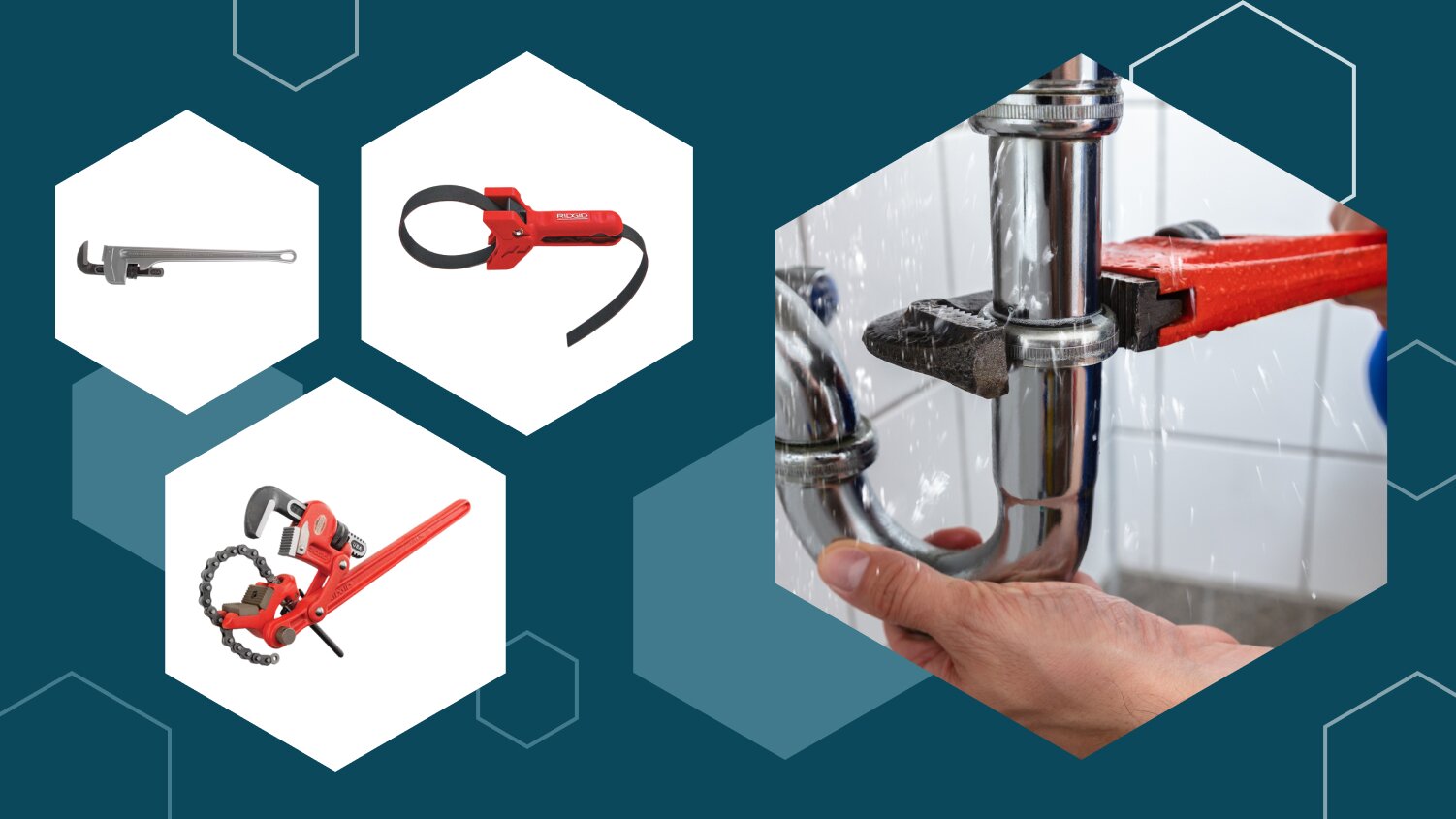
For seasoned contractors and small-to-medium business owners, a pipe wrench isn’t just another tool—it’s an essential part of the job. Whether handling high-pressure fittings, working in confined spaces, or tackling corroded pipes, selecting the best plumber’s wrench for the task can mean the difference between an efficient workflow and unnecessary frustration.
You already know the fundamentals of a pipe wrench and how to use one. But are you making the most of your tools? Here, we’ll cover some things experienced professionals should consider when selecting and maintaining their pipe wrenches to maximize efficiency and precision.
Matching the Pipe Wrench to the Job
Even seasoned pros sometimes rely on a single wrench for various tasks, but using the wrong wrench can damage materials, slow progress, and lead to rework. Use this chart to help select the right tool for the job.
Key Pipe Wrench Types & When to Use Them | ||
| Straight Pipe Wrench | End Pipe Wrench | Offset Pipe Wrench |
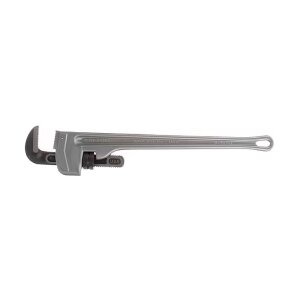 | 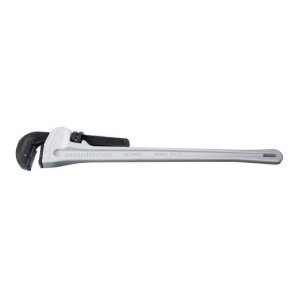 | 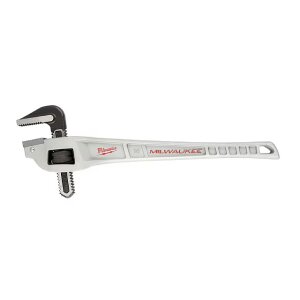 |
| The straight pipe wrench is a must-have for general-purpose plumbing. Designed to grip round pipes and fittings securely, it’s one of the most commonly used types of pipe wrenches for everyday maintenance and repairs. | When working in tight spaces, the end pipe wrench is your go-to tool. Its angled jaw allows for a firm grip on pipes near walls or in hard-to-reach areas, making it a favorite among professionals. | An offset pipe wrench provides extra leverage for working at awkward angles. This design ensures a better grip on pipes in confined or irregular spaces, making it essential for challenging layouts. |
|
|
|
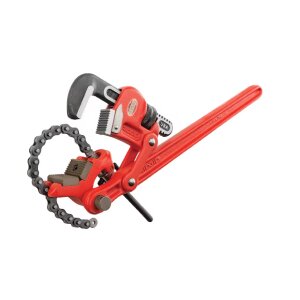 | 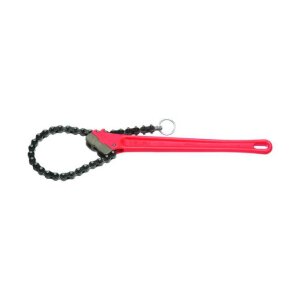 | 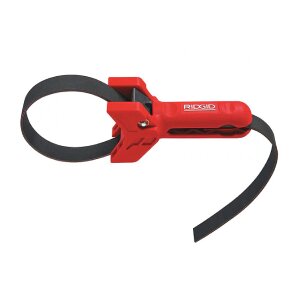 |
| The compound leverage pipe wrench doubles your torque while reducing strain when dealing with stubborn, frozen, or corroded pipes. This makes it ideal for high-pressure or industrial applications. | The chain pipe wrench is the best solution for oversized or uniquely shaped pipes. Its adjustable chain wraps around various pipe sizes, ensuring a secure grip without slippage. | A strap pipe wrench prevents damage while maintaining a strong hold when working with PVC, plastic, or polished finishes. This is the best option to ensure precision without surface damage if you're handling delicate materials. |
Pipe Wrench Features to Consider
If you're wondering what you can use a pipe wrench for, the answer depends on the job. Whether tightening, loosening, or adjusting pipes, the right wrench ensures a secure grip and reliable performance. Here's what to look for when choosing the best plumber's wrench for your tool box:
- Size: Pipe wrenches come in various sizes, from compact 6" models to heavy-duty 48" versions. The right size depends on the scale of your work.
- Material: Most wrenches are made from high-strength steel for durability or aluminum for a lightweight alternative without sacrificing reliability.
- Head: A well-designed pipe wrench head grips pipes and fittings securely, ensuring better control and reducing slippage.
- Jaw Capacity: Adjustable jaws accommodate different pipe sizes. A self-adjusting pipe wrench can make certain jobs more manageable, while a standard model offers more control.
- Handle Grip: For a pipe wrench handle that offers comfort and control, look for textured or rubberized grips to reduce hand fatigue.
- Weight: Need something easy to maneuver? Go for a lightweight aluminum wrench. Need maximum torque? A steel wrench provides the heft to get the job done.
Pipe Wrench Handles: Material & Grip Considerations
If you need a pipe wrench handle that provides better control and reduces strain, select the right material and design for your situation.
- Aluminum vs. Steel—Aluminum wrenches are significantly lighter than steel while still offering durability, making them ideal for professionals who use their wrenches for extended periods. Steel models, on the other hand, provide additional strength for high-torque applications.
- Ergonomic Handle Grips—Some wrenches have rubberized or textured handles, which reduce hand fatigue and improve grip, especially in wet or oily conditions. Investing in a comfortable handle can make a big difference if you're using a wrench for long periods.
Maintaining Your Pipe Wrench for Long-Term Performance
A well-maintained pipe wrench lasts longer and performs better. Here’s what to keep in mind.
- Keep the Jaws Clean—Pipe debris can wear down the teeth over time. Regularly cleaning the jaws ensures a firmer grip.
- Check for Wear—If your wrench's teeth are slipping, it might be time for a replacement. Some high-quality Stillson wrenches allow for jaw replacement rather than full tool replacement.
- Lubricate Moving Parts—A small amount of oil on the adjustment mechanism can prevent rust and ensure smooth operation.
- Store Properly—Hanging your wrenches or keeping them in a dry tool box extends their lifespan by preventing rust and damage.
For professionals, efficiency and precision matter. Investing in the right pipe wrench for each job ensures better results, faster turnaround times, and less wear on your tools. Whether you need a straight pipe wrench for everyday use, a self-adjusting pipe wrench for quick adaptability, or a compound leverage pipe wrench for tackling stubborn fittings, choosing the right tool can improve your workflow. By taking these into consideration, you’ll get more out of your tools and ensure every project runs smoothly.
Product Compliance and Suitability
The statements contained in this guide are intended for general informational purposes only. Such statements do not constitute a product recommendation or representation as to the appropriateness, accuracy, completeness, correctness, or currentness of the information provided. Information provided in this guide does not replace the use by you of any manufacturer instructions, technical product manual, or other professional resource or adviser available to you. Always read, understand, and follow all manufacturer instructions. Portions of this article were generated in part by ChatGPT, and edited by a member of the Zoro team.
