
Fall Seasonal HVAC Maintenance Checklist
Commercial fall HVAC maintenance checklist for winter preparedness
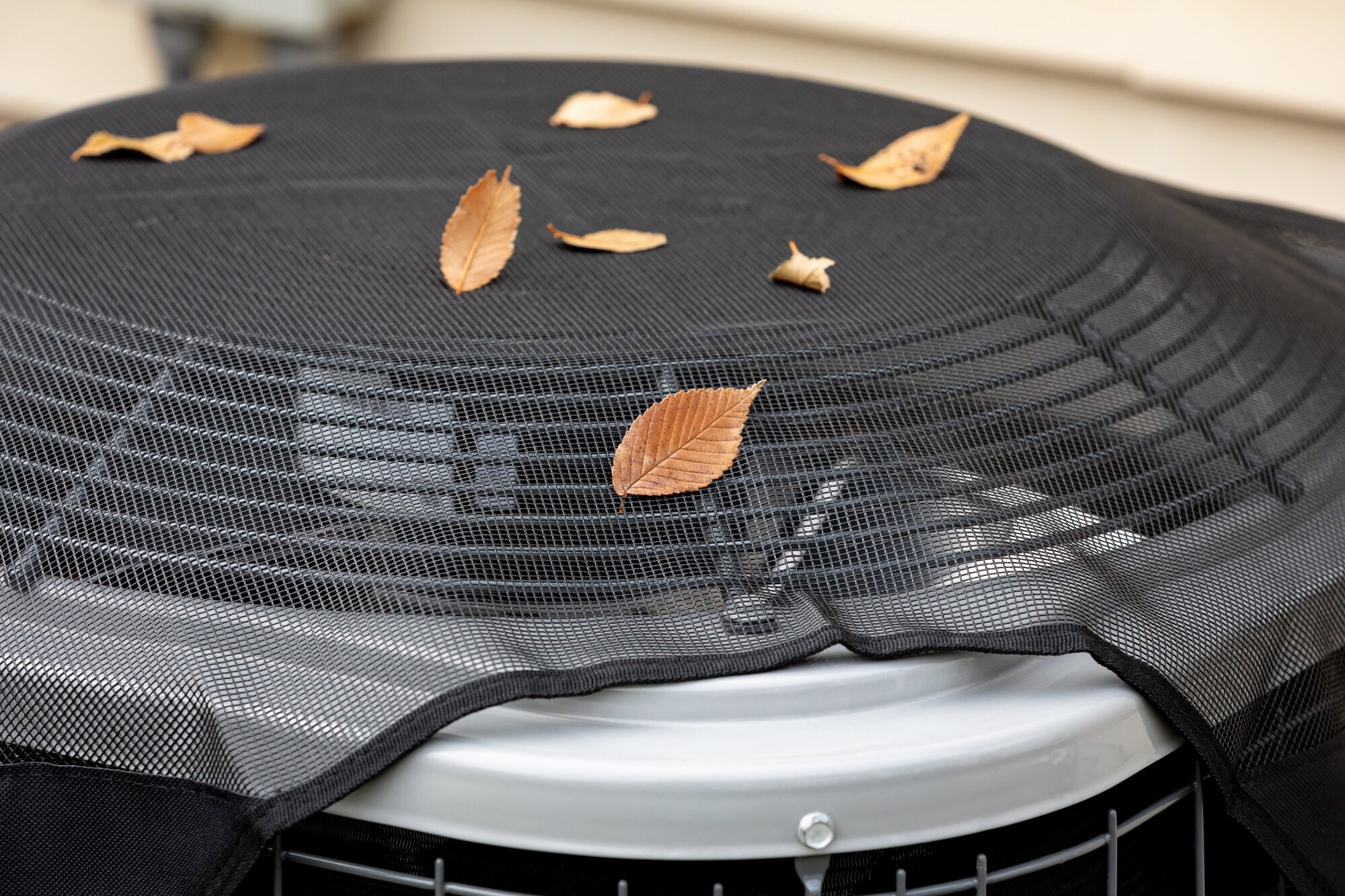
Fall HVAC Maintenance Checklist
Fall is the right time to inspect and service commercial heating and ventilation equipment before colder temperatures increase system run time and expose existing maintenance issues. A structured HVAC seasonal maintenance process helps service contractors and facility teams identify worn components, airflow problems, control issues, and drainage concerns before they become heating failures or after-hours calls.
For retail centers, warehouses, offices, restaurants, multifamily properties, and similar facilities, fall HVAC maintenance should cover the equipment most critical to occupant comfort and operations. This may include rooftop units, furnaces, unit heaters, make-up air units, exhaust equipment, and building controls.
The exact inspection scope should follow the equipment manufacturer’s maintenance requirements, the facility’s operating conditions, and applicable safety codes. Combustion, electrical, refrigerant, and gas-related work should be completed by qualified personnel using appropriate procedures and test equipment.
Seasonal HVAC Equipment Assessment
A complete fall HVAC maintenance checklist begins with an equipment inventory and a documented walkthrough. Before performing repairs, confirm which systems will provide heat during winter, identify units with a history of problems, and note components that should be repaired or replaced before peak heating demand begins.
Review prior work orders, building-management-system alerts, tenant complaints, and recent service reports. Repeated filter loading, short cycling, drainage problems, unusual noise, comfort complaints, or ignition failures can help technicians focus their inspection time where it is most needed.
| Item to inspect | Description / inspection process |
| Equipment inventory | Confirm the location, model, capacity, fuel source, and service status of rooftop units, furnaces, unit heaters, make-up air units, and other heating equipment. |
| Air filters and filter racks | Inspect filters for loading, damage, and correct fit. Check filter doors, racks, and gaskets for air bypass that can reduce filtration performance. |
| Belts, pulleys, and bearings | Inspect belt condition and tension, pulley alignment, bearing wear, and signs of vibration or unusual noise. Replace worn components before heating demand increases. |
| Motors and fan assemblies | Check blower and condenser fan motors, wheels, housings, and mounts for debris, wear, vibration, or restricted operation. |
| Electrical components | Inspect disconnects, wiring, terminals, contactors, relays, capacitors, fuses, and control panels for visible damage, overheating, corrosion, or loose connections. |
| Thermostats and building controls | Test thermostats, sensors, schedules, setpoints, and building-control sequences to confirm the system changes over and responds as intended. |
| Economizers and outdoor-air controls | Inspect dampers, actuators, linkages, and sensors for proper movement and control response. Confirm outdoor-air settings match the facility’s ventilation needs and operating sequence. |
| Condensate systems | Inspect drain pans, traps, pumps, tubing, and drain lines for debris, leaks, poor slope, or restrictions that could cause overflow or freeze-related damage. |
| Coils and airflow paths | Inspect accessible coils, fins, blower compartments, and intake areas for dirt, damage, or obstructions that can restrict airflow and reduce performance. |
| Combustion and venting components | Inspect accessible burners, igniters, flame-sensing components, heat exchangers, gas connections, flues, and venting for visible concerns. Complete required combustion and safety testing using qualified personnel. |
Document deficiencies as they are found, including the affected unit, required parts, urgency, and recommended repair. This gives facility teams time to schedule non-emergency work and helps service contractors prepare parts before winter call volume increases.
Products to Have Available for Seasonal HVAC Maintenance
- HVAC air filters and filter media
- Fan belts, pulleys, and bearing assemblies
- Thermostats, sensors, and building-control components
- Contactors, relays, capacitors, fuses, and disconnects
- Condensate pumps, drain pans, tubing, and treatment tablets
- Coil cleaner, coil brushes, and fin combs
- Combustion-analysis tools and gas-leak detection equipment
- Refrigerant gauges, hoses, and leak-detection supplies
Complete Fall Heating-System Maintenance and Operational Testing
After the initial assessment, complete planned maintenance and verify that each system can operate through its normal heating sequence. Testing should include equipment startup, thermostat response, airflow, safeties, drainage, and any control functions that change when the building switches from cooling to heating.
For facilities with multiple systems, prioritize equipment serving occupied areas, high-traffic entrances, critical process areas, kitchens, mechanical rooms, and spaces that are difficult to access during winter weather.
| Item to inspect | Description / maintenance process |
| Heating startup and sequence | Operate each applicable unit through its heating sequence and investigate delayed ignition, short cycling, fault codes, unusual noise, or poor temperature response. |
| Airflow and distribution | Check supply and return airflow, accessible dampers, registers, grilles, and fan operation. Address blocked intakes, dirty components, or damaged duct connections. |
| Electrical operation | Verify that disconnects, controls, safeties, and electrical components operate reliably under normal load. Repair signs of overheating, loose connections, or electrical deterioration. |
| Condensate drainage | Clean and test condensate pans, traps, pumps, and drain lines. Confirm drainage is routed appropriately and protected from freezing where necessary. |
| Rooftop-unit condition | Remove debris around rooftop equipment, inspect panels and gaskets, confirm access is safe, and address loose or damaged weatherproofing. |
| Make-up air and exhaust equipment | Confirm that make-up air units, exhaust fans, and associated controls operate together as intended, particularly in kitchens, loading areas, and other ventilation-dependent spaces. |
| Controls and scheduling | Verify heating schedules, occupied and unoccupied setpoints, setback temperatures, alarms, and remote monitoring points before the facility transitions into winter operation. |
| Refrigeration or heat-pump components | Where applicable, inspect refrigerant-related components, defrost controls, and heat-pump operation according to manufacturer procedures. |
A seasonal checkup is also a good time to identify comfort issues that may not be caused by the heating unit itself. Damaged door seals, uninsulated pipes, blocked vents, poor building pressure, and drafts around loading doors can all increase heating demand and contribute to tenant complaints.
Products to Have Available for HVAC Service Work
- Replacement filters, belts, pulleys, and motor components
- Contactors, relays, capacitors, fuses, and disconnects
- Thermostats, sensors, actuators, and control relays
- Condensate tubing, traps, pumps, drain pans, and treatment products
- Coil cleaner, brushes, fin combs, and cleaning accessories
- Weatherproof equipment covers, panel fasteners, and rooftop-unit service materials
- Approved sealants, insulation materials, and weatherproofing supplies
Plan Parts Inventory and Winter HVAC Response
A completed fall HVAC maintenance checklist should leave technicians and facility teams prepared for common cold-weather failures. Review inspection findings, repair priorities, and equipment history to determine what should be repaired immediately, what can be scheduled, and what parts should be stocked for emergency service.
Inventory needs should reflect the equipment installed at each property. A warehouse with gas-fired unit heaters may require a different service inventory than an office building with packaged rooftop units, building automation controls, and multiple heat pumps.
| Item to prepare | Description / winter-readiness process |
| Repair priorities | Rank findings by safety concern, likelihood of failure, operational impact, lead time, and whether the repair can be completed before winter weather. |
| Critical spare parts | Stock commonly needed filters, belts, fuses, capacitors, contactors, relays, igniters, sensors, tubing, and other parts that match the installed equipment. |
| Equipment documentation | Keep current model numbers, serial numbers, wiring diagrams, filter sizes, control settings, and prior service records accessible to the service team. |
| Emergency access | Confirm access procedures for roofs, mechanical rooms, electrical rooms, tenant spaces, loading docks, and areas that may be restricted after hours. |
| Monitoring and alarms | Verify that building-management alerts, low-temperature alarms, equipment fault notifications, and remote monitoring points are active and routed to the correct contacts. |
| Weather response planning | Identify equipment exposed to snow, ice, wind, standing water, or freezing condensate, and establish inspection steps following severe weather events. |
| Communication plan | Maintain current contacts for facility staff, HVAC contractors, equipment representatives, electrical contractors, and other emergency-service providers. |
Common winter HVAC failures often involve restricted airflow, failed ignition components, worn belts, control problems, frozen condensate lines, electrical issues, or weather-related damage to rooftop equipment. Addressing these risks during fall HVAC maintenance can reduce downtime and make winter service work more predictable.
Make HVAC Seasonal Maintenance a Repeatable Process
A consistent fall HVAC maintenance checklist gives contractors and facility teams a practical way to prepare heating and ventilation equipment before it is under continuous winter demand. It also improves documentation, parts planning, and response times when unexpected equipment failures occur.
Use this checklist as a starting point, then tailor it to the facility’s equipment, operating hours, occupancy needs, maintenance history, local climate, and manufacturer requirements. With timely inspections, corrective repairs, and a clear winter response plan, commercial facilities can enter the heating season with fewer avoidable service calls and greater confidence in their HVAC systems.
Product Compliance and Suitability
The statements contained in this guide are intended for general informational purposes only. Such statements do not constitute a product recommendation or representation as to the appropriateness, accuracy, completeness, correctness, or currentness of the information provided. Information provided in this guide does not replace the use by you of any manufacturer instructions, technical product manual, or other professional resource or adviser available to you. Always read, understand, and follow all manufacturer instructions. Portions of this article were generated in part by ChatGPT.
