


Finding the Ideal Reaming Tool for Precision Machining
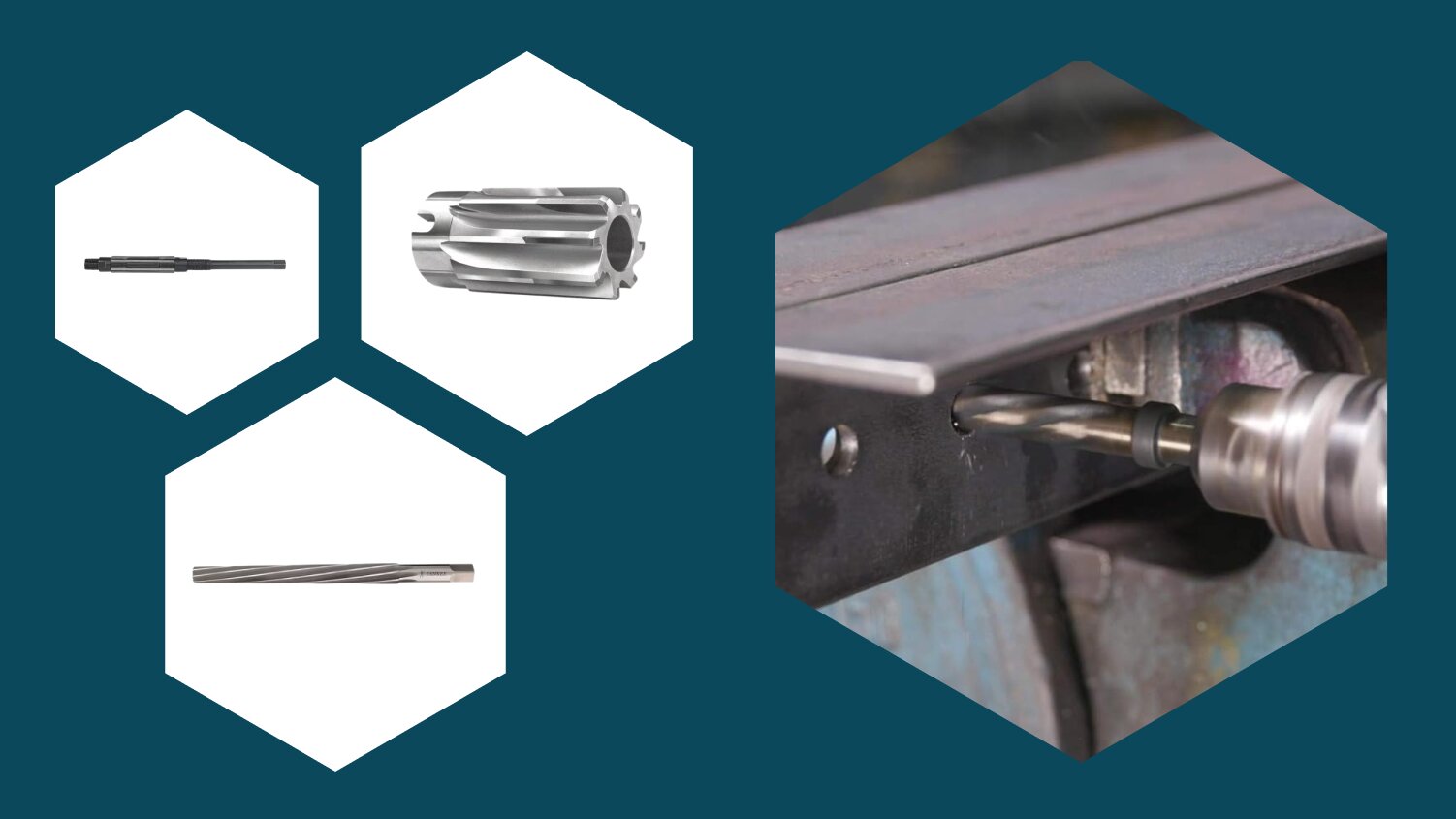
Precision matters in machining, and selecting the correct reamer tool ensures accurate hole sizing and smooth finishes. Whether you're in CNC machining, aerospace, automotive manufacturing, or industrial maintenance, choosing the proper reamer can optimize efficiency, accuracy, and cost-effectiveness.
This guide covers the reaming process, types of reamers, and key factors to help you make an informed purchase.
What Is Reaming?
Reaming enlarges and refines a pre-drilled hole to achieve precise sizing and a smooth surface finish. A reamer removes a minimal amount of material, ensuring hole uniformity.
Key Considerations When Selecting a Reaming Tool
Selecting the correct reamer depends on several factors.
- Material Compatibility: Different reamer coatings and materials optimize performance for metals, plastics, and composites.
- Hole Tolerance & Surface Finish: Some applications require ultra-precise tolerances.
- Machine vs. Hand Application: Chucking reamers work best with CNC machines, while hand reamers provide manual control.
- Coolant & Lubrication Needs: Cutting fluids enhance tool longevity.
- Production Volume: High-production environments may benefit from shell reamers for faster, repeatable results.
Types of Reamers & Their Applications
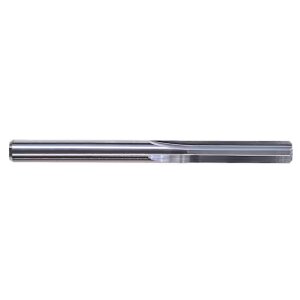 | Designed for machining centers, lathes, and drill presses, chucking reamers provide precise hole finishing with minimal material removal. These tools help achieve tight tolerances in high-accuracy applications. |
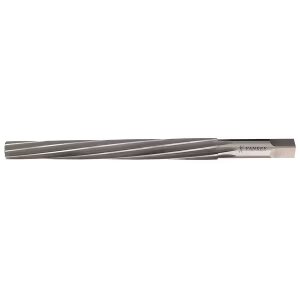 | Ideal for creating tapered holes for pin installations, taper pin reamers ensure smooth, precision fits in mechanical and structural applications. |
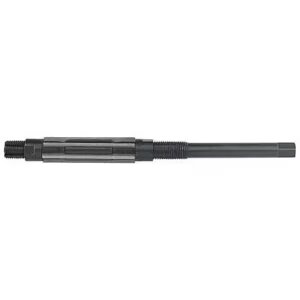 | Hand reamers provide controlled material removal for precision hole sizing, making them a great option for manual machining applications. Designed for use with a wrench or hand tool, they offer accuracy in maintenance, repair, and custom fabrication projects. |
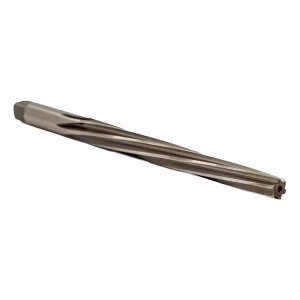 | For smooth cutting action, spiral flute reamers are well-suited for interrupted cuts and materials prone to chip binding. They help achieve a fine surface finish while reducing cutting pressure, making them useful for deep or difficult-to-machine holes. |
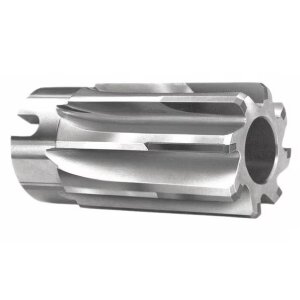 | Built for high-production environments, shell reamers offer efficiency and longevity by allowing operators to replace worn-out heads while keeping the arbor intact. |
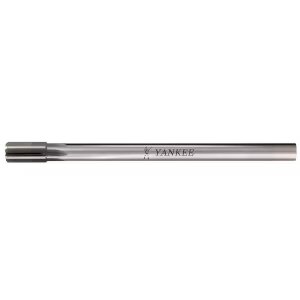 | Designed with adjustable cutting blades, expansion reamers allow machinists to fine-tune hole diameters for tight tolerances. |
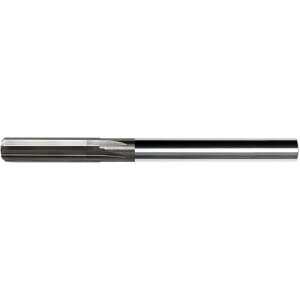 | Engineered for durability and wear resistance, carbide reamers excel in high-speed machining applications. Their robust construction makes them ideal for hard materials like stainless steel and composites, providing extended tool life. |
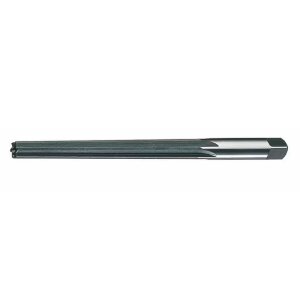 | Used for creating gradually widening holes, tapered reamers ensure secure fits for fasteners, pins, or pipe fittings. |
Making an Informed Purchasing Decision
Before purchasing a reamer, consider the following:
- Workpiece material and hole accuracy needs
- Production volume and machining setup
- Coating and tool material for durability
- Compatibility with existing equipment
Precision matters, and the right reaming tool can make all the difference in achieving accurate hole sizing and smooth finishes. Whether you're working with CNC machines, performing manual adjustments, or tackling specialized machining tasks, Zoro offers a wide selection of reamers to help you get the job done efficiently.
Find the reaming tools you need—explore Zoro’s selection today!
Product Compliance and Suitability
The statements contained in this guide are intended for general informational purposes only. Such statements do not constitute a product recommendation or representation as to the appropriateness, accuracy, completeness, correctness, or currentness of the information provided. Information provided in this guide does not replace the use by you of any manufacturer instructions, technical product manual, or other professional resource or adviser available to you. Always read, understand, and follow all manufacturer instructions. Portions of this article were generated in part by ChatGPT, and edited by a member of the Zoro team.
