


First Aid Kits for Businesses: What Every Workplace Needs to Know
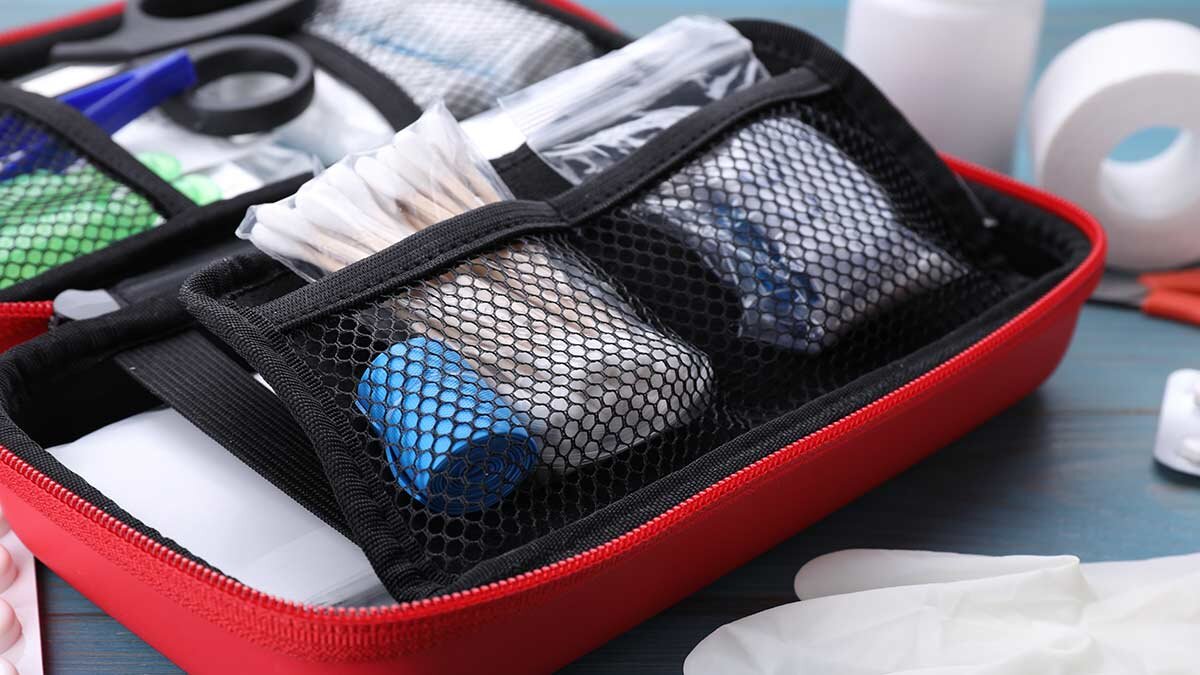
First aid kits help support workplace safety by giving teams quick access to essential supplies when injuries happen. On construction sites, in manufacturing facilities, or throughout commercial buildings, clearly marked and easy-to-reach kits make it easier to handle common incidents on the spot. Keeping kits stocked and visible can also help businesses stay in step with safety regulations.
OSHA and ANSI Requirements for First Aid Kits
Selecting the correct type of first aid kit container is just as important as choosing the supplies inside. The ANSI/ISEA Z308.1-2021 standard outlines four container types based on how and where the kits will be used. These classifications help businesses align their first aid resources with environmental conditions, mobility needs, and usage expectations.
Type I – Stationary, Indoor Use
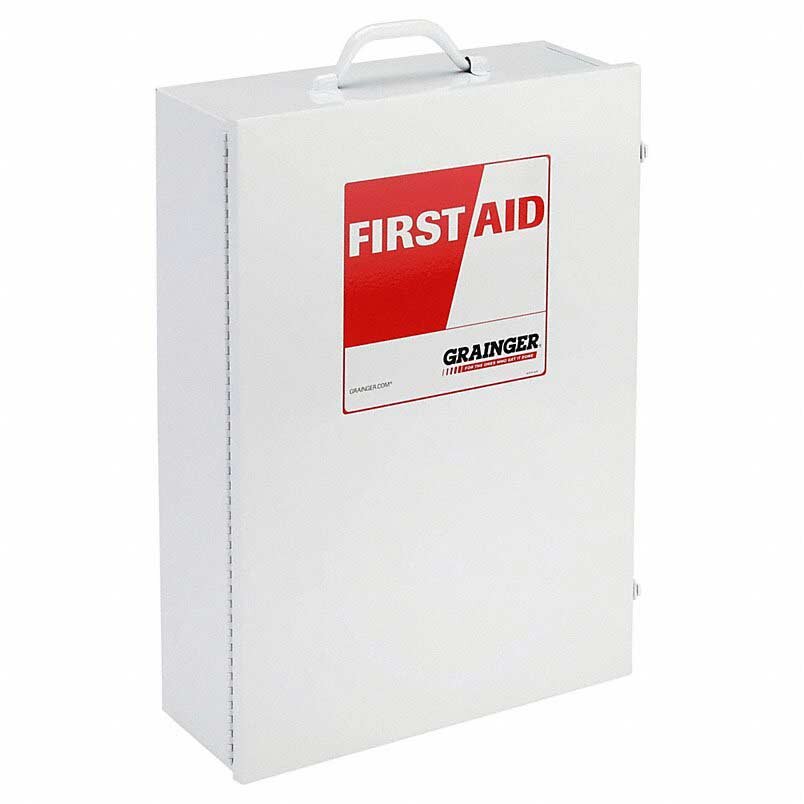
Intended for fixed indoor locations with minimal exposure to environmental hazards. These kits are not designed to be portable and are commonly wall-mounted in offices, retail spaces, and other low-risk, climate-controlled environments.
Type II – Portable, Indoor Use
Designed for portable use within indoor spaces. They are appropriate for work settings where the kit may need to be moved but where the risk of supply damage from impact or environmental factors remains low.
Type III – Portable Use, Indoor or Outdoor
Suitable for both stationary and portable use in environments where there’s a chance of exposure to light moisture or movement. These kits are commonly used in vehicles, warehouses, and facilities where the kit may need to travel but still be mounted when not in use. A water-resistant seal helps protect the contents.
Type IV – Portable Use, Mobile and Outdoor Settings
Built for rugged environments where rough handling, exposure to moisture, and impact are likely. They are commonly used in industries like construction, utilities, and transportation. To meet ANSI/ISEA Z308.1-2021 guidelines, Type IV kits must offer resistance to corrosion, moisture intrusion, and physical impact.
Related Products:
First Aid Kits | Eye Wash Stations | Burn Care Kits | Liquid Bandage
Trauma First Aid Kit vs. Standard First Aid Kit
Different types of first aid kits are designed to support different levels of care. Understanding the distinction between standard first aid kits and trauma kits can help businesses select supplies appropriate to the work environment and potential risks. Stay prepared for workplace injuries with our checklist for first aid kit supplies.
| First Aid Kits | Trauma Kits |
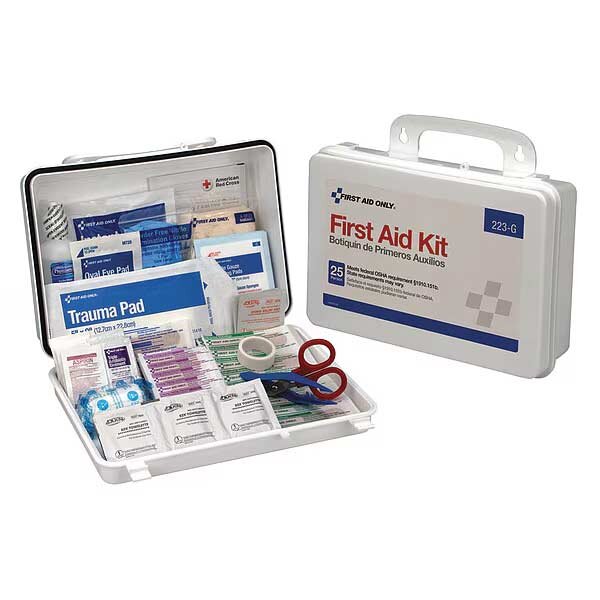 | 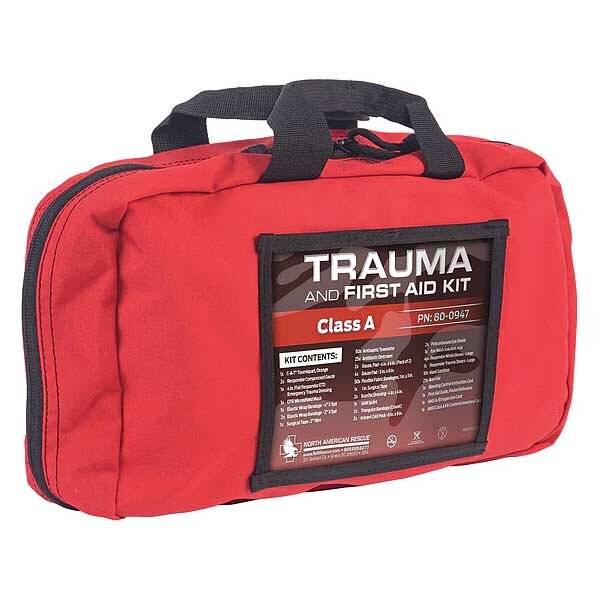 |
| Include supplies for treating minor injuries such as cuts, scrapes, or sprains. | Contain components intended to help control more serious injuries, such as severe bleeding, before advanced medical assistance is available. |
Related Products:
Bleeding Control Kits | Tourniquets | Emergency Blankets | Trauma Pack
Onsite First Aid Kit Placement
Reception Areas and Front Offices
Place a wall-mounted or desktop-accessible first aid kit near the reception desk or front office. These are high-traffic areas where both employees and visitors may need immediate care for minor injuries.
Breakrooms and Kitchens
Burns, cuts, or minor food-related injuries are more likely in these environments. Stocking a kit with items like burn dressings, pressure dressings, and antiseptics can help treat incidents promptly.
Manufacturing and Production Floors
These high-risk environments may benefit from a trauma first aid kit or even a trauma pack. Include gear for treating more severe injuries—like tourniquets, pressure dressings, and paramedic scissors.
Warehouses and Distribution Centers
Because of the volume of movement and equipment, ensure kits are mounted in easily visible and accessible spots.
Outdoor Work Zones and Remote Jobsites
For construction, landscaping, or field-based teams, use ANSI Type IV weatherproof kits and include mobile-specific items such as tourniquets, emergency blankets, and pocket first aid kits.
Vehicle Fleets: First Aid on the Move
If your business operates a fleet of service vehicles, delivery trucks, or mobile units, it’s important to equip each one with a portable medical kit. These kits ensure that drivers and field technicians have quick access to essential first aid supplies in case of accidents or injuries on the road. Compact, weather-resistant kits—such as a trauma first aid kit or mini first aid kit—are ideal for mobile environments where space is limited but response time matters. Stocking company vehicles with clearly labeled, easy-to-reach kits supports preparedness across your mobile workforce and helps align with general safety practices for commercial transportation.
Maintaining first aid kits may support readiness, alignment with regulations, and timely response in workplace settings. Whether you're overseeing daily operations at a facility or coordinating crews on a jobsite, ensuring that first aid supplies are well-stocked and strategically placed contributes to a more prepared work environment.
Product Compliance and Suitability
The statements contained in this guide are intended for general informational purposes only. Such statements do not constitute a product recommendation or representation as to the appropriateness, accuracy, completeness, correctness, or currentness of the information provided. Information provided in this guide does not replace the use by you of any manufacturer instructions, technical product manual, or other professional resource or adviser available to you. Always read, understand, and follow all manufacturer instructions. Portions of this article were generated in part by ChatGPT, and edited by a member of the Zoro team.
