


Gas Detection Systems: How to Detect Gas Leaks in Your Facility
Whether you're running a shop, a factory floor, or a busy maintenance facility, understanding how gas detection works helps you stay ahead of air quality concerns. The goal is simple: identify hazardous gases early so your team can respond confidently and keep operations running smoothly.
What Is a Gas Detector?
A gas detector is a device that identifies the presence or concentration of gas in a work area. When levels rise above preset limits, the detector alerts your team. That alert may prompt ventilation adjustments, equipment checks, or evacuation, depending on your safety plan.
Types of Gas Detectors
Gas detectors are the primary devices used to identify gases in the air. These units sense changes in gas concentration and alert your team when levels move beyond preset thresholds. Depending on your operation, you may use:
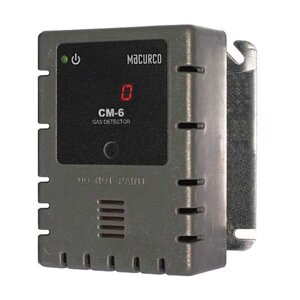
- Fixed gas detectors continuously monitor specific zones such as production lines, storage rooms, boiler areas, or chemical handling stations.
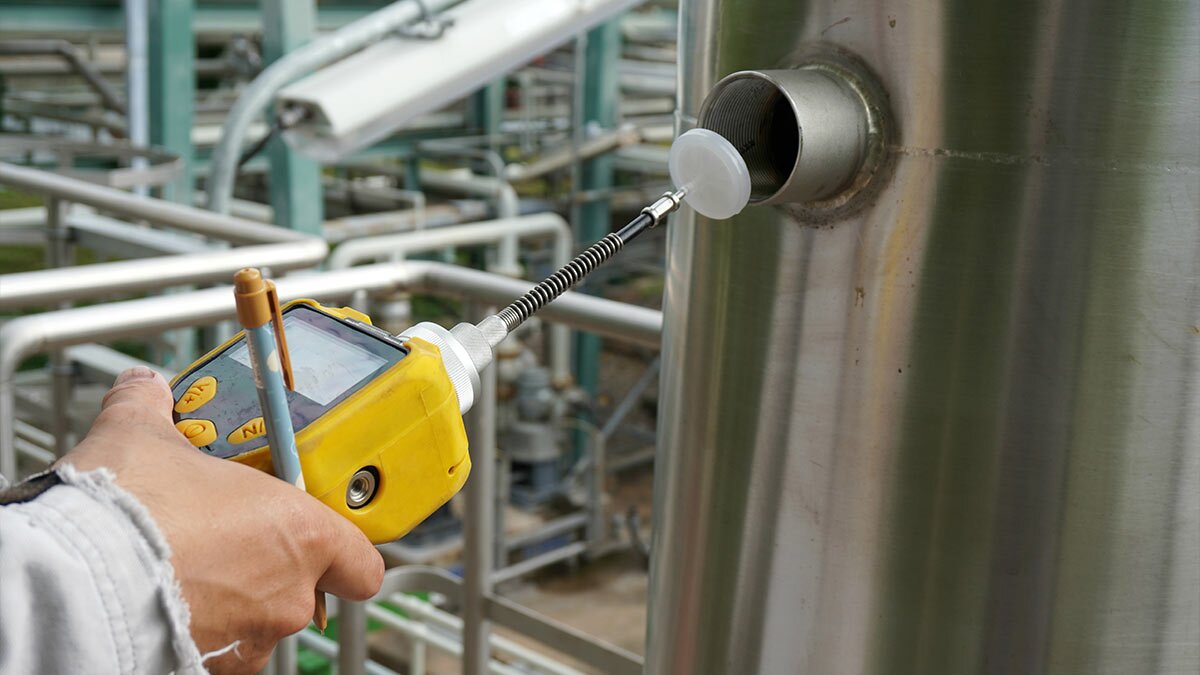
- Portable gas detectors are used by workers to monitor air quality as they move throughout a facility, whether worn on the body or carried for spot checks and hazard assessments.

What Do Gas Monitors Detect?
Gas monitors help identify a range of hazards depending on the sensor configuration. Common detection targets include:
- Toxic gases such as carbon monoxide (CO), hydrogen sulfide (H₂S), or ammonia (NH₃)
- Combustible gases such as methane or other hydrocarbons
- Volatile organic compounds (VOCs) present in paints, solvents, and industrial chemicals
- Oxygen levels, especially in confined or poorly ventilated spaces
What Are the Methods of Gas Detection?
Different sensor technologies allow you to match your hazards with the right device. Each method works in its own way to identify specific gases.
- Electrochemical sensors detect toxic gases through a chemical reaction that generates an electrical signal.
- Catalytic bead sensors are commonly used for combustible gas detection by measuring changes in electrical resistance.
- Infrared (IR) sensors identify gases like CO₂ or hydrocarbons by monitoring how the gas absorbs infrared light.
- Photoionization detectors (PIDs) detect VOCs using ultraviolet light to ionize gas molecules.
- Open-path sensors send a beam across large areas to identify gas anywhere along the path, making them ideal for warehouses and open production spaces.
How to Detect Gas Leaks in an Industrial Setting
Detecting a gas leak is all about pairing hazard awareness with the right tools. In shops, factories, and industrial facilities, teams typically follow this process.
- Identify the gases present in your operation, whether they originate from equipment, stored materials, or production processes.
- Select the sensor technology that aligns with your hazards.
- Decide between fixed or portable detection, or use both for layered protection.
- Place sensors strategically, recognizing that some gases rise while others sink.
- Calibrate and maintain equipment on a regular schedule to support consistent performance.
- Integrate alerts with your existing safety procedures, such as ventilation controls or alarm systems.
- Store and review data to track trends and support compliance.
Closing Thoughts
Gas detection doesn’t have to feel overwhelming. Once you understand the main device types and get familiar with the hazards in your own space, it becomes much easier to build a setup that supports your team and keeps your operation moving.
