


How to Install a Ductless Air Conditioner: Mini Split Guide
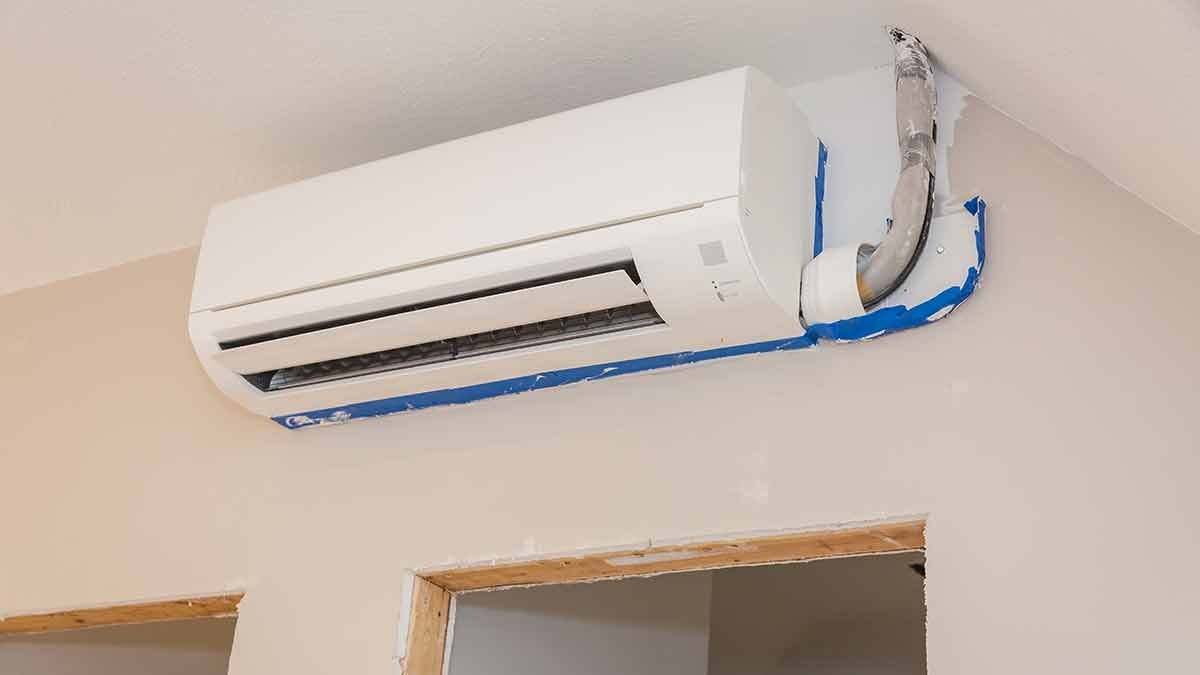
Why Choose a Ductless Mini Split?
Ductless mini split systems offer energy-efficient cooling and heating without the need for ductwork. For small business owners (especially those managing older buildings, server rooms, or newly added spaces), these systems can provide targeted temperature control that’s both flexible and cost-effective.
Unlike central air systems, mini splits allow for zoned climate control, making them ideal for workshops, retail spaces, or private offices where comfort and cost management go hand in hand.
Pre-Installation Considerations
Before starting installation, confirm the following:
- Electrical Requirements—Most systems need a 208/240V circuit with a dedicated breaker.
- Placement—The indoor unit should be mounted on an exterior-facing wall to allow easy access for refrigerant lines.
- Permits and Code Compliance—Check with your local building authority. Depending on your municipality, permits and inspections may be required.
- Mounting Surface—Ensure the wall can support the unit’s weight and that airflow around the unit is unobstructed.
- Outdoor Location—Check that the outdoor unit has proper drainage and isn’t exposed to direct snow buildup or heavy debris.
Step-by-Step Installation Guide
Step 1: Mount the Indoor Unit
Use a wall bracket and level to ensure a straight, secure mount.
Drill a 2.5"–3" hole through the wall for refrigerant lines, wiring, and the drain tube.
Insert a protective sleeve in the wall hole to protect the lines and prevent drafts.
Step 2: Prepare the Outdoor Unit
Mount on a concrete pad or wall bracket with vibration pads.
Maintain at least 12"–24" of clearance on all sides.
Position the unit as close to the indoor head as possible to limit line length and improve performance.
Step 3: Connect Refrigerant Lines and Drain Hose
Avoid sharp bends and use proper clamps to secure lines.
Connect copper refrigerant lines using torque wrenches as specified in the product manual.
Ensure the drain hose is sloped downward to avoid backflow.
Step 4: Electrical Wiring
Connect the communication wire between the indoor and outdoor units.
Wire the outdoor unit to a disconnect box using waterproof conduit.
If you're not a licensed electrician, hire one to ensure code compliance and avoid voiding the warranty.
Step 5: Evacuate and Charge the System
Note: If you’re installing a pre-charged line set, you can skip this step.
Use a vacuum pump and manifold gauge set to evacuate air and moisture.
Open service valves and verify proper refrigerant pressure.
Always follow EPA guidelines when handling refrigerants, including R-410A or R-32.
Note: Skipping this step or improperly evacuating lines can lead to inefficient cooling and compressor damage, both of which may void the warranty
Step 6: Test the System
Power up the unit and set it to cooling mode.
Check for even airflow, unusual sounds, and correct temperature output.
Confirm remote and thermostat functionality.
Let the unit run for several minutes to stabilize refrigerant levels and airflow.
Common Mistakes in Split AC Unit Installations
Despite the relative ease of installing a mini-split system, common mistakes can occur. These include improper placement of the indoor and outdoor units, incorrect system sizing, and poor insulation. To avoid these mistakes, it is crucial to plan your installation and follow the manufacturer's instructions carefully.
Ductless Air Conditioner Repair and Maintenance
Like any other appliance, a ductless air conditioner requires regular maintenance to ensure it continues to function efficiently. This includes cleaning the filters regularly and checking for any signs of damage or wear. If you notice any issues with your system, it's best to call a professional for ductless air conditioner repair.
Final Thoughts
Installing a ductless mini split air conditioner can offer year-round comfort, but it’s not a DIY project for everyone. For business owners and facilities managers, the safest approach is often to partner with a licensed HVAC professional. Improper installation can lead to safety issues, higher energy costs, and voided warranties.
Product Compliance and Suitability
The statements contained in this guide are intended for general informational purposes only. Such statements do not constitute a product recommendation or representation as to the appropriateness, accuracy, completeness, correctness, or currentness of the information provided. Information provided in this guide does not replace the use by you of any manufacturer instructions, technical product manual, or other professional resource or adviser available to you. Always read, understand, and follow all manufacturer instructions. Portions of this article were generated in part by ChatGPT, and edited by a member of the Zoro team.
