


Guide to HVAC Refrigerant Line Insulation: Why & How to Insulate
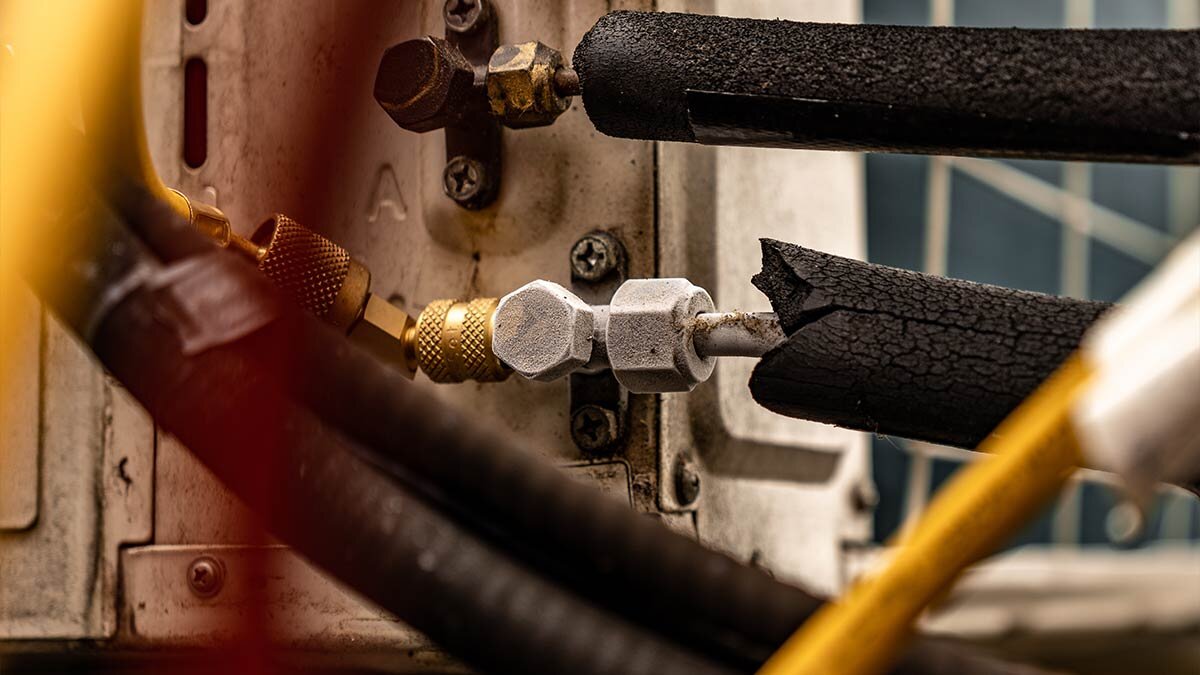
If you own or manage an HVAC business, you already know that the small details can make the biggest difference in system performance and customer satisfaction. Insulating refrigerant lines might not be the flashiest part of a job, but it’s one of those simple steps that can prevent future headaches and improve long-term efficiency. This guide covers why HVAC refrigerant line insulation is essential and how to insulate your refrigerant lines effectively so your systems keep running smoothly and your customers stay happy.
Why Insulate Refrigerant Lines?
Every HVAC system relies on refrigerant lines to move heat between indoor and outdoor units. Without proper insulation, those lines can absorb or lose heat from the surrounding environment, which makes the system work harder to reach the right temperature. Refrigerant line insulation helps maintain correct pressure and temperature throughout the system, improving efficiency and reducing energy waste.
When Line Insulation Matters Most
Insulating refrigerant lines is critical any time those lines pass through unconditioned spaces, such as attics, crawlspaces, or outdoor areas exposed to heat or cold. If your crew is retrofitting older systems, check for insulation that’s cracked, compressed, or missing altogether. Replacing it can make a measurable difference in system performance. High-efficiency HVAC systems, in particular, benefit from properly insulated refrigerant lines. Even small temperature changes can impact their precision and energy ratings. Likewise, buildings in humid climates rely on insulation to prevent condensation that could drip onto drywall, ceilings, or electrical components.
Choosing the Right Insulation
Selecting the proper insulation is about matching the material to the job. Most HVAC professionals use closed-cell foam, often made of nitrile rubber or elastomeric materials, because it resists moisture and maintains a strong vapor barrier. Open-cell foam isn’t recommended for refrigerant lines since it can absorb water and deteriorate quickly.
The insulation should fit snugly around the line.
Measure the outer diameter of both the suction and liquid lines to ensure you get the correct size. In most cases, a thickness between ½" and 1" provides sufficient thermal protection, though outdoor environments or high-humidity areas may require more.
If the lines are exposed to sunlight, opt for UV-resistant insulation or add a protective jacket to prevent degradation.
Proper fit and continuity matter just as much as the insulation material itself. Gaps, seams, or compressed sections can allow heat exchange and moisture infiltration, defeating the purpose of insulating in the first place.
How to Insulate Your Refrigerant Lines
Insulating refrigerant lines isn’t complicated, but it does require care and consistency.
Start by turning off the system and inspecting the existing insulation. Remove anything that’s worn, wet, or deteriorated, and clean the refrigerant lines to remove dirt or corrosion.
Next, measure the total length of the line run and cut your insulation accordingly. Try to minimize the number of seams for a cleaner, more efficient installation.
Slide the insulation onto the line, ensuring a snug fit, and use an appropriate adhesive or tape to seal any seams. Pay extra attention to elbows, tees, and fittings; these are common spots where air leaks or condensation can develop if left unsealed.
Once the insulation is in place, secure it with zip ties or straps, but avoid overtightening. Compression can reduce the insulation’s effectiveness.
Finally, inspect your work for exposed gaps or damaged areas, especially if the lines will be outdoors. UV-protective coatings or covers are a smart choice for long-term durability.
After reinstalling power, run the system and check for any signs of condensation. A properly insulated line should stay dry to the touch. Document your work, noting the material, thickness, and installation date. Keeping these records helps with future service visits and warranty claims.
Ongoing Maintenance Tips
Once installed, refrigerant line insulation should last for years, but regular inspections help maintain its performance. Add a quick visual check to your routine maintenance schedule. Look for cracks, compression, or areas where the insulation may have separated. Replacing small sections before they fail completely can prevent much larger issues later. Educating your technicians about insulation best practices is another simple way to protect your business’s reputation. It’s one of those details that sets a professional job apart. Keeping a few common insulation sizes in stock also ensures your team can handle repairs or retrofits without delays.
The Bottom Line
Proper HVAC refrigerant line insulation might seem like a small detail, but it plays a big role in system efficiency, longevity, and professional presentation. Whether you’re installing a new unit or maintaining an existing one, taking the time to insulate or replace damaged insulation helps your business operate more efficiently and keeps customers satisfied.
Product Compliance and Suitability
The statements contained in this guide are intended for general informational purposes only. Such statements do not constitute a product recommendation or representation as to the appropriateness, accuracy, completeness, correctness, or currentness of the information provided. Information provided in this guide does not replace the use by you of any manufacturer instructions, technical product manual, or other professional resource or adviser available to you. Always read, understand, and follow all manufacturer instructions. Portions of this article were generated in part by ChatGPT, and edited by a member of the Zoro team.
