


Hand Sanitizer vs. Soap: Simple Hygiene Solutions for Safer Workplaces
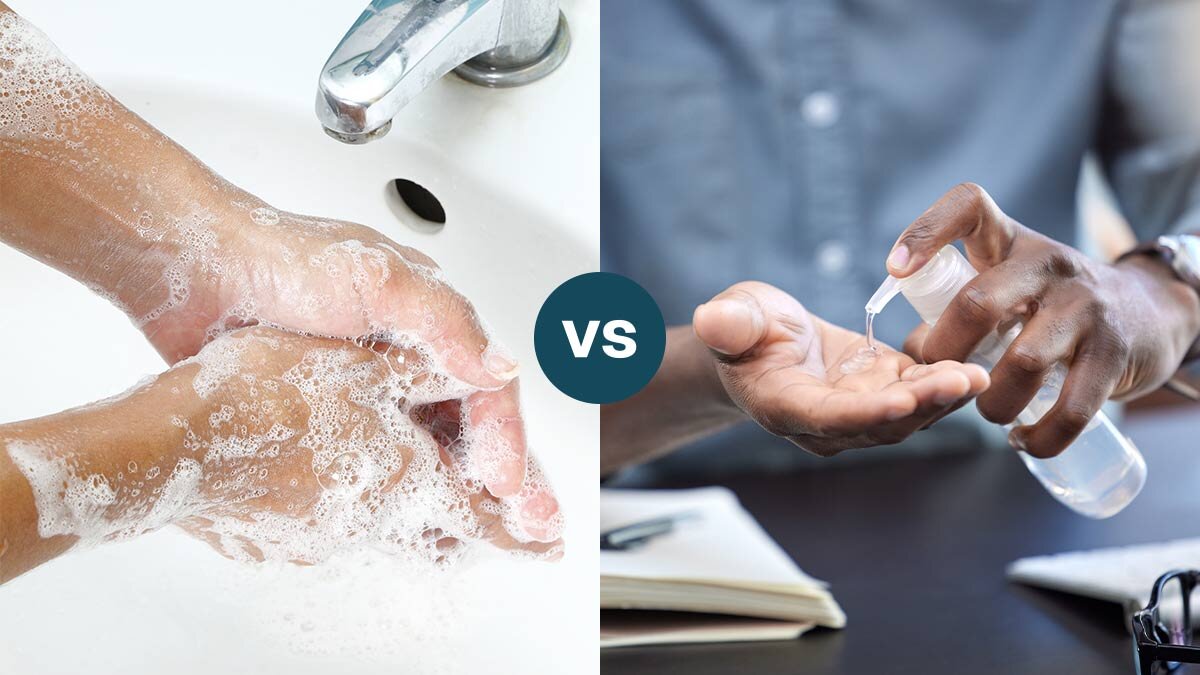
Running a business means balancing people, productivity, and safety. From shop floors to construction sites, keeping your team healthy is essential to keeping operations running smoothly. Business owners often ask, "Should my team use hand sanitizer or soap?" Let’s make this simple. Both soap and water and hand sanitizer play important roles in your workplace hygiene plan. Here’s what every business owner should know to keep teams protected and productive.
Why Workplace Hand Hygiene Matters
Clean hands help prevent the spread of germs that cause illness. Fewer sick days mean steadier schedules, fewer disruptions, and a smoother workflow overall. According to the Centers for Disease Control and Prevention (CDC), washing with soap and water is the most effective way to remove dirt, chemicals, and many types of germs. But when soap and water aren’t available, a hand sanitizer with at least 60% alcohol offers a practical backup to help reduce the spread of germs.
Soap vs. Hand Sanitizer: When to Use Each
Here’s a quick guide you can share with your crew.
Hand Soap Tips
Soap and water physically remove dirt, grime, and residues that sanitizer can’t. To make handwashing simple and effective in your workplace:
Stock every sink with a steady supply of soap and paper towels.
Add clear signage reminding employees to wash for at least 20 seconds.
Ensure proper drainage and easy-to-reach sinks in high-traffic areas.
Hand Sanitizer Tips
Hand sanitizer is ideal for quick cleanups between tasks or when soap and water aren’t available. For best results:
Choose sanitizers with at least 60% alcohol, following CDC guidance.
Place dispensers near entry points, break areas, and tool stations.
Refill regularly to prevent downtime or empty stations.
Offer travel-size bottles for field crews or delivery teams.
Building a Hand Hygiene Program
Make it accessible. Place handwashing and sanitizing stations in logical, high-traffic spots.
Keep supplies stocked. Refill soap, sanitizer, and paper towels on a schedule.
Train your team. Demonstrate proper washing and sanitizing techniques.
Protect skin health. Offer moisturizing lotion or gentler soaps for frequent use.
Lead by example. When owners and managers follow hygiene habits, teams do too.
Final Takeaway: Keep It Simple and Keep It Clean
For most workplaces, the smartest hygiene strategy includes both soap and sanitizer. Together, they make it easy to keep hands clean, operations efficient, and your team healthy. Zoro’s here to help with everything from dispensers to refills—so you can focus on running your business, not chasing down supplies. Explore Zoro’s full selection of hand soaps, sanitizers, and accessories to make clean hands part of your everyday routine.
Product Compliance and Suitability
The statements contained in this guide are intended for general informational purposes only. Such statements do not constitute a product recommendation or representation as to the appropriateness, accuracy, completeness, correctness, or currentness of the information provided. Information provided in this guide does not replace the use by you of any manufacturer instructions, technical product manual, or other professional resource or adviser available to you. Always read, understand, and follow all manufacturer instructions. Portions of this article were generated in part by ChatGPT, and edited by a member of the Zoro team.
